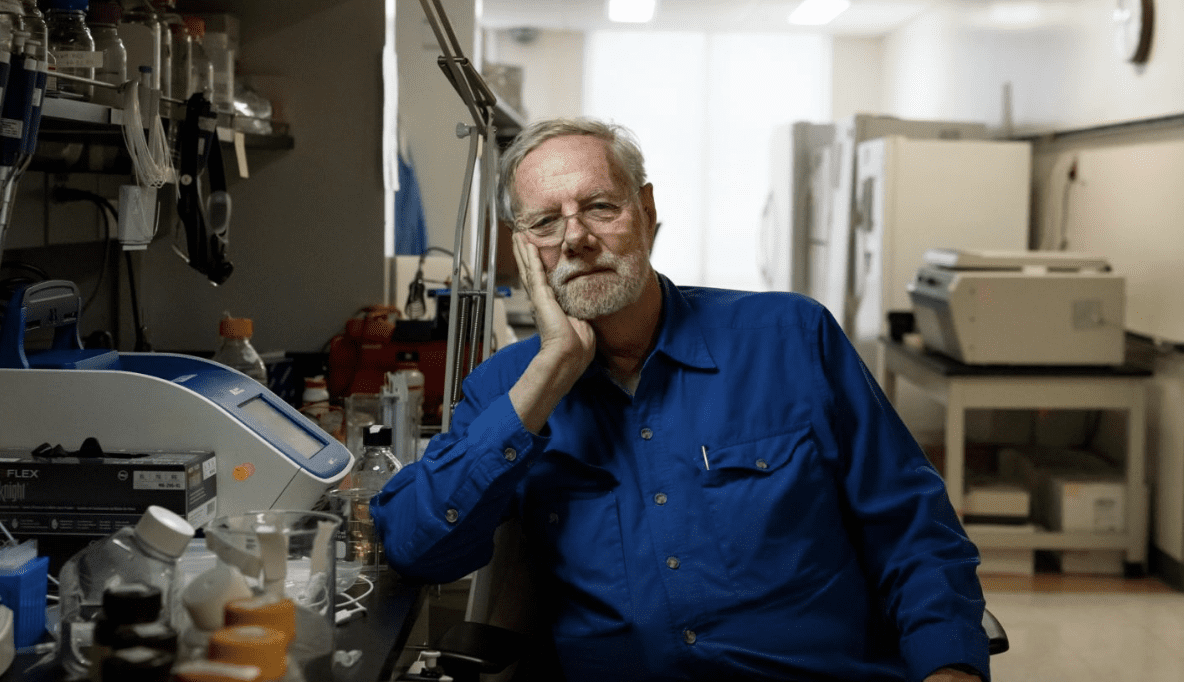

Ronald Davis is one of the most influential researchers in molecular genetics and biotechnology of the late 20th and early 21st centuries. His work laid the groundwork for modern genomics. The technologies developed by his team have paved the way for breakthroughs that define precision medicine today. As a professor at Stanford University and director of the Stanford Genome Technology Center, Davis bridges the gap between fundamental science and applied solutions. His work directly impacts the diagnosis and treatment of complex diseases. Read more on ichicago.
Early Life and Career
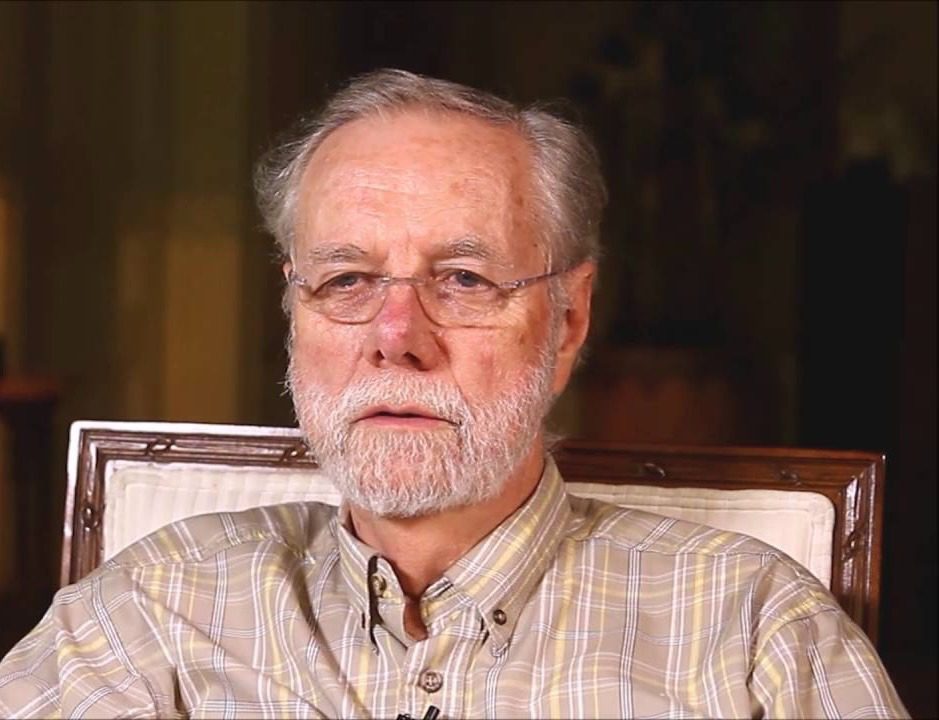
After earning his PhD from the California Institute of Technology, Davis completed a fellowship at Harvard University. There, he worked alongside James Watson, co-discoverer of the DNA structure. In 1972, he joined the faculty at Stanford University. He eventually became a professor of biochemistry and genetics and took the helm of one of the world’s leading genomic technology centers.
Even in the early stages of his career, Davis showed a unique ability to cross disciplinary boundaries. He seamlessly blended biochemistry, physics, and engineering to solve complex biological puzzles.
Scientific Breakthroughs
One of his earliest breakthroughs was developing the R-loop technique for electron microscopy. This method allowed scientists to visualize the interaction between RNA and DNA. It was a crucial stepping stone in understanding RNA splicing—the process that determines how a cell translates genetic information.
Another major milestone was proving that DNA fragments could be joined together using restriction endonucleases. This technology essentially opened the door to creating recombinant DNA, laying the foundation for modern genetic engineering. Later, Davis developed highly efficient cloning systems, particularly those using bacteriophages. This made it possible to transfer and replicate genetic material within cells.
Davis’s scientific career spans dozens of fields, but his crown achievements lie in genome analysis technologies. In the 1960s, he became one of the first researchers to physically map the genomes of organisms, setting the stage for large-scale genetic studies. His research in the 1970s also featured some of the earliest examples of genomic editing, proving it was possible to alter specific DNA segments in living organisms. This work was years ahead of its time, serving as the theoretical backbone for today’s gene-editing technologies.
Working alongside his colleagues, he developed methods to create genetic maps based on restriction fragment length polymorphisms (RFLPs). This approach allowed scientists to identify genes linked to various diseases and became a vital precursor to the Human Genome Project.
Davis also played a pivotal role in creating DNA microarray technology, which allows researchers to analyze the expression of thousands of genes simultaneously. These tools have become the bedrock of modern personalized medicine. They enable doctors to determine exactly which genes are active in a specific organism or cell. His contributions also include developing DNA cloning methods, creating artificial chromosomes, and pioneering technologies that drastically cut the cost of genome sequencing. In the early days of genomics, sequencing a single genome took years and cost millions of dollars. Thanks to Davis’s research, the process is now exponentially faster and more affordable.
The Human Genome Project
As far back as 1979, Davis and his colleagues proposed the idea of mapping the human genome. At the time, the concept seemed wildly ambitious. Despite initial pushback, the idea eventually materialized as an international project that launched in 1990. Under Davis’s leadership, the Stanford Genome Technology Center became a key player in this massive endeavor. His team didn’t just help sequence genomes; they developed the very technologies that allowed the project to finish ahead of schedule.
A core principle of his work was open data sharing. His team was among the first to publish genetic data in the public domain almost immediately after acquiring it. This transparency significantly accelerated scientific research on a global scale.
Another major focus for Davis has been interdisciplinary research, blending genetics, bioinformatics, and clinical medicine. His approach stood out because he wasn’t just chasing fundamental knowledge; he wanted to solve real-world medical problems. A prime example is his collaborative research with medical experts on severe trauma. Davis’s team completely overhauled established theories about how the human body reacts to severe injuries. This research dramatically improved clinical treatments, reportedly reducing patient mortality rates by roughly a third.
Davis holds dozens of patents in biotechnology. His research extends far beyond human genetics, encompassing work with bacteria, yeast, plants, and parasites. He made massive contributions to developing yeast-based models, which are now widely used to study genetic processes. His lab has also tackled large-scale interdisciplinary projects. By analyzing massive biological datasets related to severe trauma, they helped lower mortality rates. This approach was one of the earliest examples of using big data in medicine.
ME/CFS Research
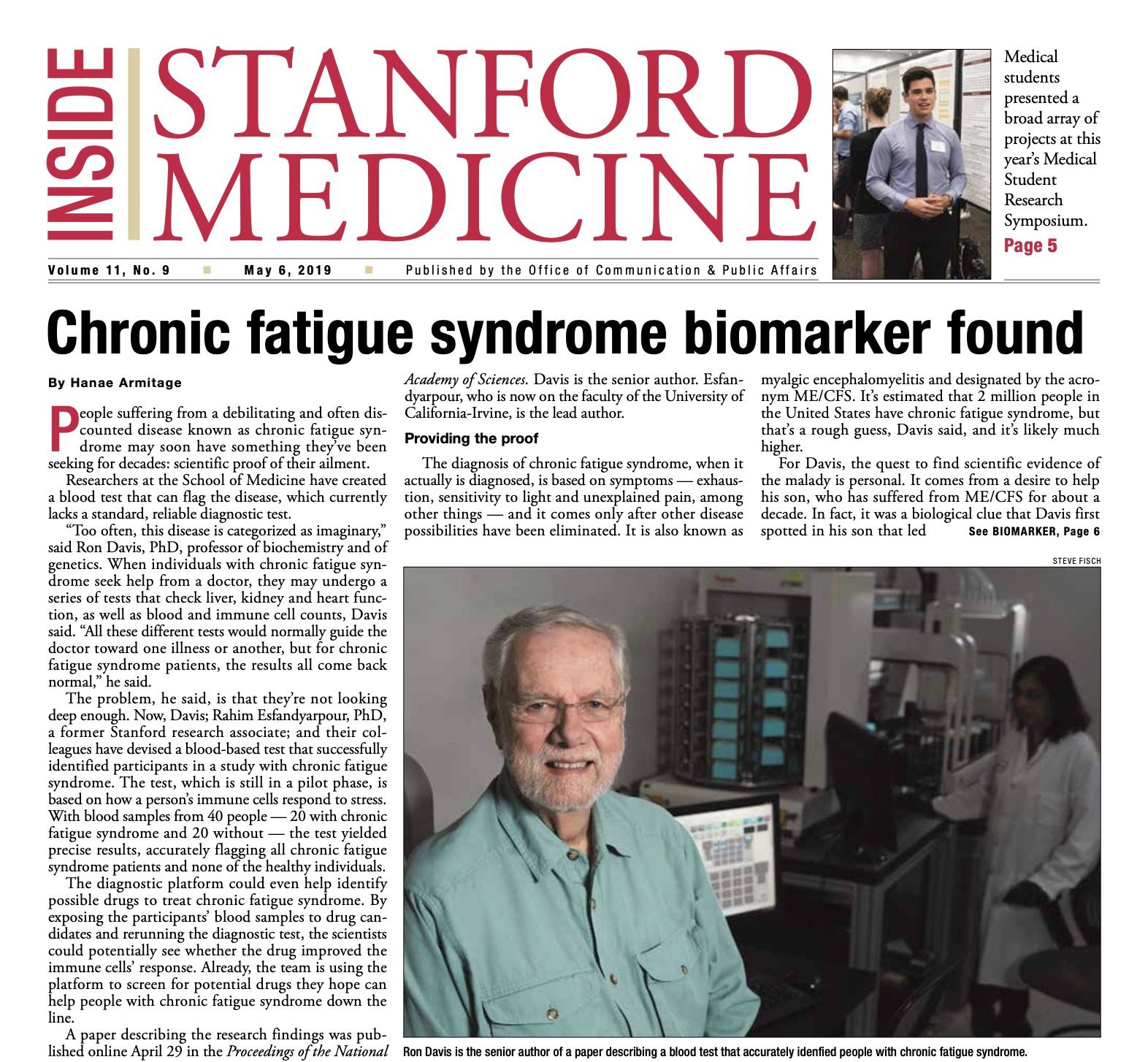
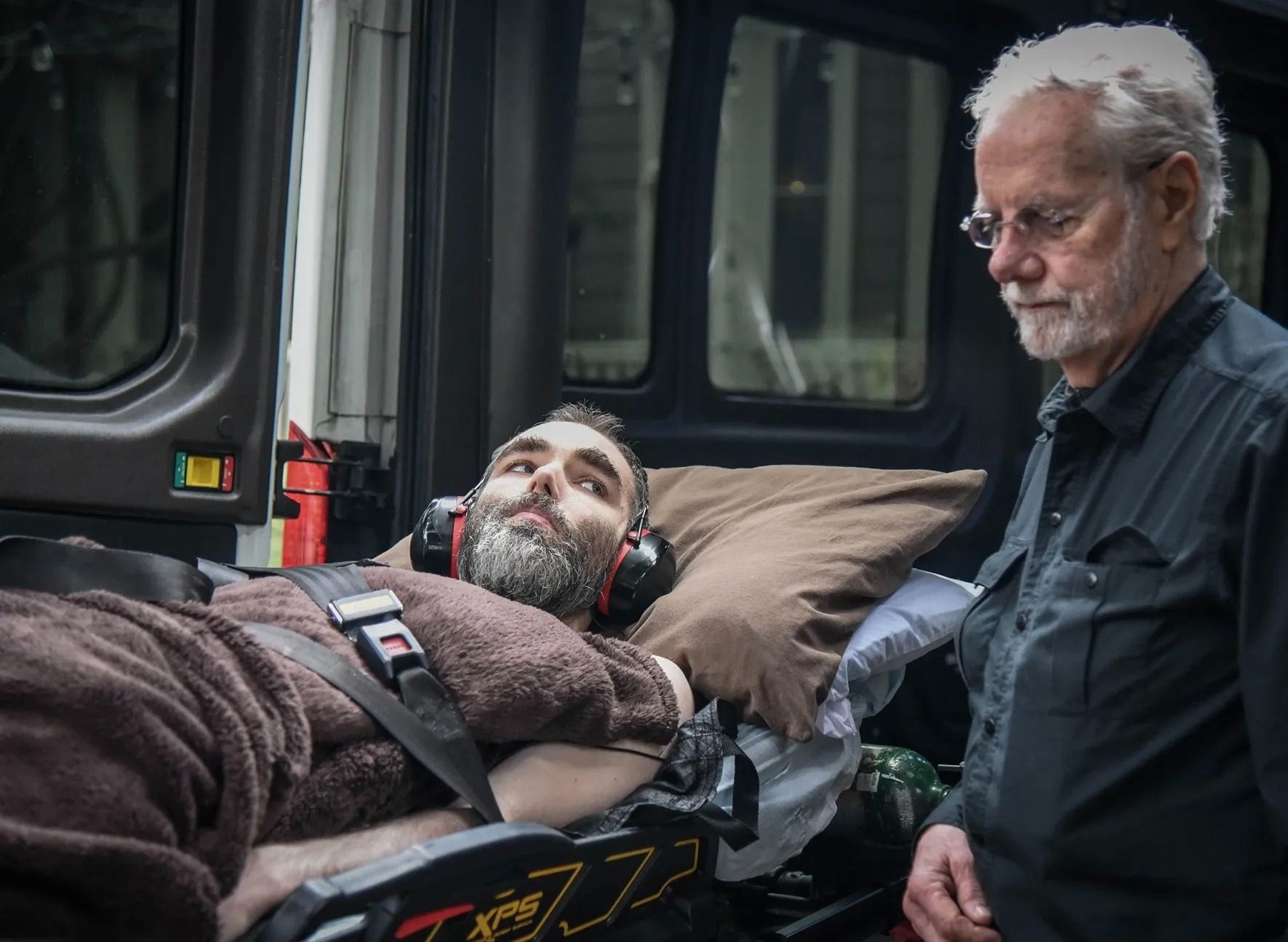
Davis’s scientific career took a deeply personal turn when his son was diagnosed with myalgic encephalomyelitis/chronic fatigue syndrome (ME/CFS). Since then, the researcher has dedicated much of his focus to studying this complex and historically under-researched disease.
In 2013, he founded a Stanford research center exclusively dedicated to ME/CFS. His team developed an experimental device known as a “nanoneedle.” This tool detects differences between the cells of ME/CFS patients and healthy individuals by measuring their real-time responses to stress. Davis is also collaborating with top US scientific institutions, including the National Institutes of Health (NIH), to study the long-term impacts of viral infections.
Awards and Legacy
Davis’s scientific breakthroughs have earned him numerous accolades. He is a member of the National Academy of Sciences and has received prestigious awards in both genetics and medicine. His work is routinely cited as some of the most influential in modern science. In 2013, he was named one of today’s leading innovators, with experts noting that a significant portion of genetic breakthroughs over the past few decades can be traced back to his research.
Personal experience profoundly shifted his scientific trajectory. His son’s illness changed the direction of his research, adding a deep humanitarian element to his work. Today, Davis isn’t just chasing scientific discoveries; he is actively searching for tangible solutions for patients suffering from severe chronic illnesses.
Ronald Wayne Davis exemplifies a scientist who doesn’t just invent new technologies—he changes the very logic of how research is conducted. His contributions to genomics, biotechnology, and precision medicine have made the impossible possible. His work continues to shape the future of science, opening up new frontiers in the battle against complex diseases.