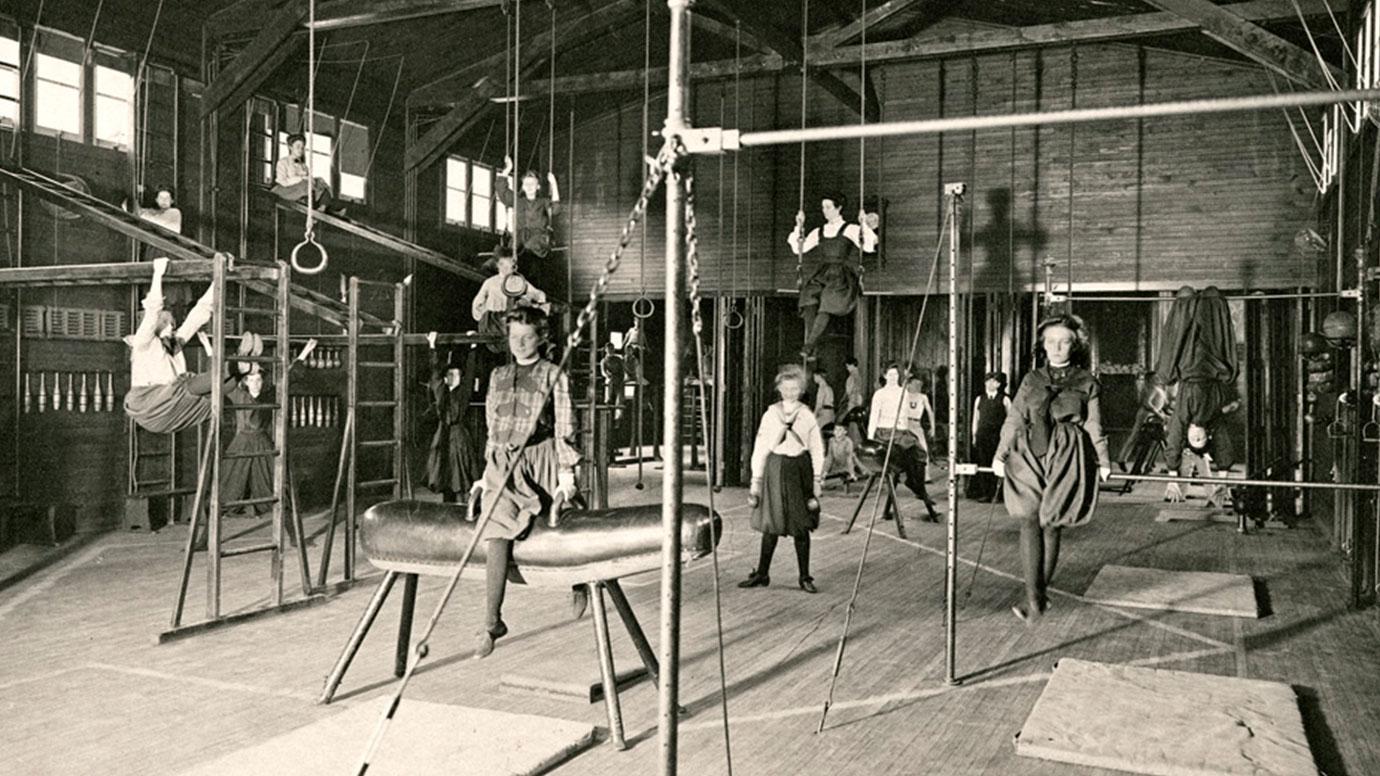

Gymnastics gained popularity in American schools thanks to Chicago teachers. The sport originated in Chicago, where high school physical education teachers enthusiastically encouraged gymnastics competitions in the Chicago Public League. Learn more about the history of gymnastics in Chicago at ichicago.net.
Unsuccessful efforts
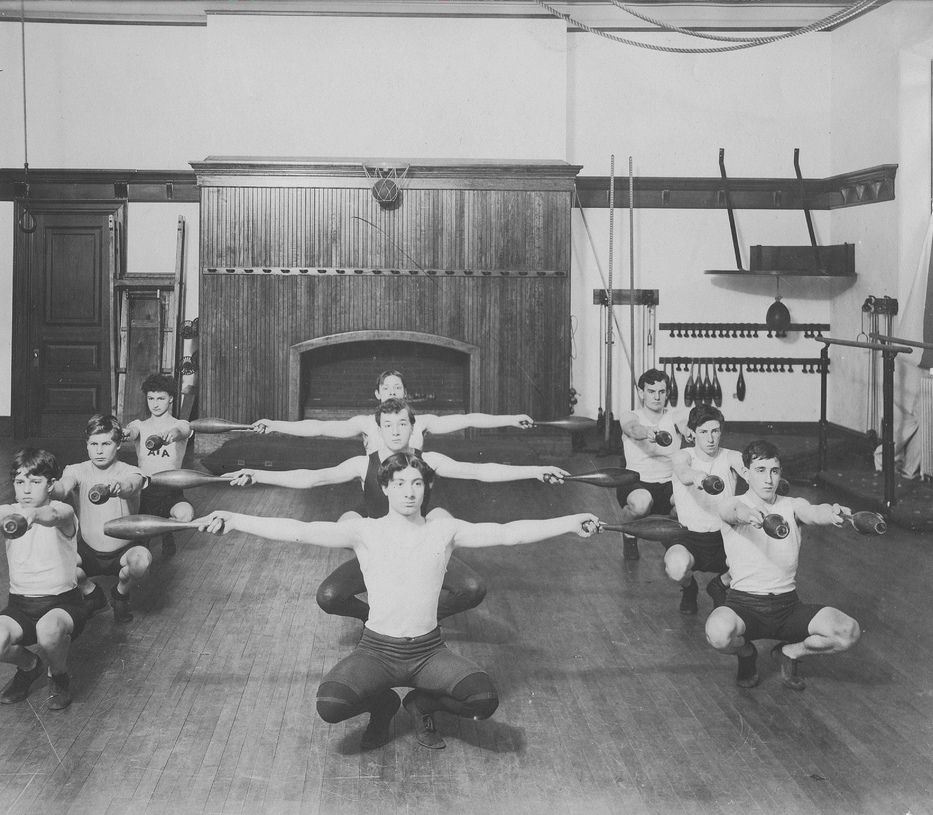
The true era of gymnastics began in 1920 when Chicago educators advocated for high school gymnastics classes and competitions.
Long before gymnastics became a school sport, German and Czechoslovak emigrants established a gymnastics program in the city. In Chicago, gymnastics was originally introduced by Germans. The Turnvereine has made significant efforts to achieve this. They were later joined by Czechs, who established gymnastics clubs in Chicago called Sokol. By 1870, the Turnvereine and Sokol were extremely popular in the city.
Some Chicago sports clubs, such as the Chicago Athletic Association, sponsored gymnastics events and hosted junior meetings. At the beginning of the 20th century, the International Gymnastics Federation hosted annual youth tournaments in Chicago. They were attended by members of the Sokol, the Turnvereine and other organizations.
Gymnastics programs were introduced in Chicago public schools in 1866. The Chicago Board of Education, much influenced by German native trainers, officially adopted the gymnastics program in 1889, which included a planned course of exercises on gymnastic shells.
The council appointed German Henry Sudor to create the new program. In 1891, Northwest Division High was opened, and it included the first gymnastics hall. Following this event, halls were actively built in other Chicago schools.
As of 1914, all 22 secondary schools in the city had gymnastics halls. Despite this, gymnastics was taught as a regular lesson rather than a sports discipline, and high school students found the program’s exercises boring and difficult. Children preferred baseball and track and field.
Development of gymnastics in Chicago schools
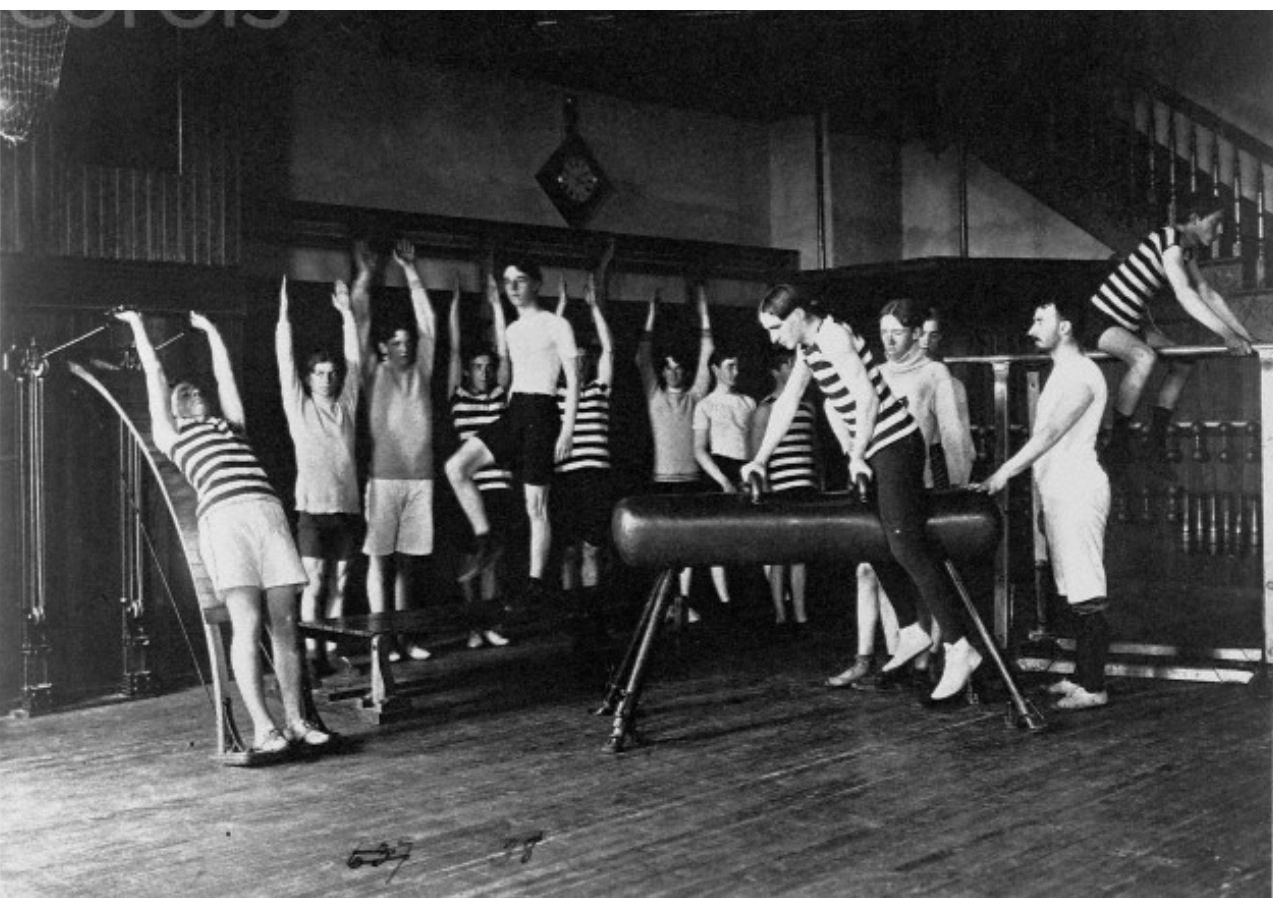
Henry Smidl was ultimately able to launch the program and spark children’s interest in gymnastics. He captained the USA Sokol team and competed in a variety of competitions. In 1919, Smidl started teaching at Englewood High on the South Side, where he started a gymnastics program.
In an effort to take part in competitions, Smidl persuaded the Public League to finance a team gymnastics championship. He encouraged two schools to organize teams and take part in competitions. One was Harrison High, and the other was Lane Tech. In 1920, Smidl relocated to Lindblom and established a program there. His team competed only in the novice division, which was easily won.
In 1926, 7 professional and 2 novice teams competed in the high school championship. The two main teams were Lindblom and Harrison.
In 1927, Lindblom teams won the Chicago Public High School League competition, earning both senior and junior titles. Senn School fielded its senior team for the first time, and they lost to Lindblom and Harrison, taking third place.
For several years, the Lindblom School dominated the senior and junior divisions of the yearly Public League contests. When Lindblom continued to win high school gymnastics titles in 1933, the Central AAU allowed high schools to join the league for the first time.
Gymnastics in schools evolved even during the Great Depression. As of 1930, there were 12 schools competing in the top division.
The first competition among Chicago secondary school students took place in May. In 1937, they were moved to April. In the 1950s, gymnastics in high schools was practiced exclusively in winter.