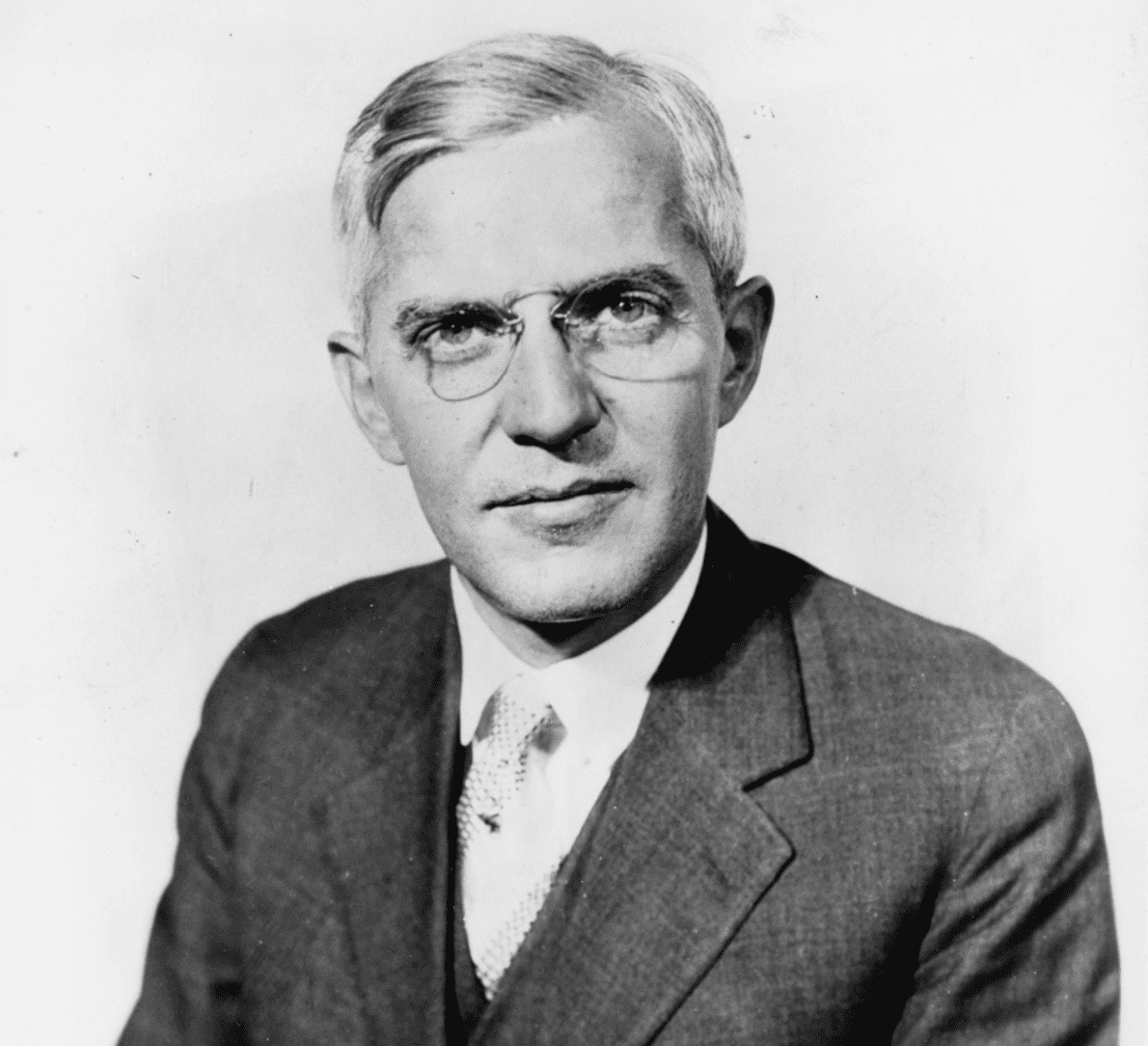

Arno Luckhardt was a towering figure in American experimental medicine during the first half of the 20th century. His research spanned respiratory physiology, endocrinology, gastroenterology, and the evolution of anesthesiology as a distinct medical specialty. Luckhardt’s most celebrated achievement was discovering the anesthetic properties of ethylene and successfully introducing it into surgical practice. His career serves as a masterclass in blending fundamental science, clinical medicine, and experimental innovation, leaving a lasting legacy on modern biomedicine. Read more on ichicago.
Early Life and Education
Born in Chicago on August 26, 1885, to German immigrants Gustav Adolph Luckhardt and Aurelia Weber, Arno Benedict Luckhardt was raised in an environment that balanced religious faith with academic discipline. By age 12, he entered Conception College, where he developed a keen aptitude for languages and natural sciences. His mastery of Latin proved invaluable later in his career, as it allowed him to study historical medical texts in their original form.
Luckhardt pursued his higher education at the University of Chicago, earning a Bachelor of Science in 1906 and a PhD in Physiology in 1911. His doctoral dissertation focused on the role of the spleen in immunological processes. In 1912, he completed his medical training at Rush Medical College, receiving his MD. This dual background in fundamental science and clinical medicine formed the bedrock of his future research.
A Distinguished Career
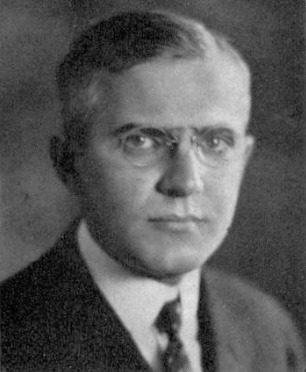
Luckhardt’s tenure at the University of Chicago began in 1908 as a bacteriology assistant. By 1909, he transitioned to the Department of Physiology, where he rose through the ranks from instructor to full professor. For over four decades, he was a cornerstone of the university, serving as department chair and championing new experimental methodologies.
His work significantly advanced our understanding of gastrointestinal motility and glandular secretion. Through meticulous animal experiments, Luckhardt demonstrated that digestion is regulated by a complex interplay of neural and hormonal factors. He specifically mapped how the pancreas secretes enzymes and the critical role of secretin in digestive regulation.
Another landmark achievement involved the parathyroid glands. Luckhardt proved that tetany, which occurs after their removal, could be managed with calcium salts. This discovery was vital to understanding calcium homeostasis and remains a cornerstone in treating calcium-deficient conditions.
Luckhardt was also a proponent of self-experimentation. In 1916, he monitored his own gastric contractions during fasting, analyzed the link between physiological states and dreams, and investigated how mental state impacts stomach motility.
The Ethylene Breakthrough
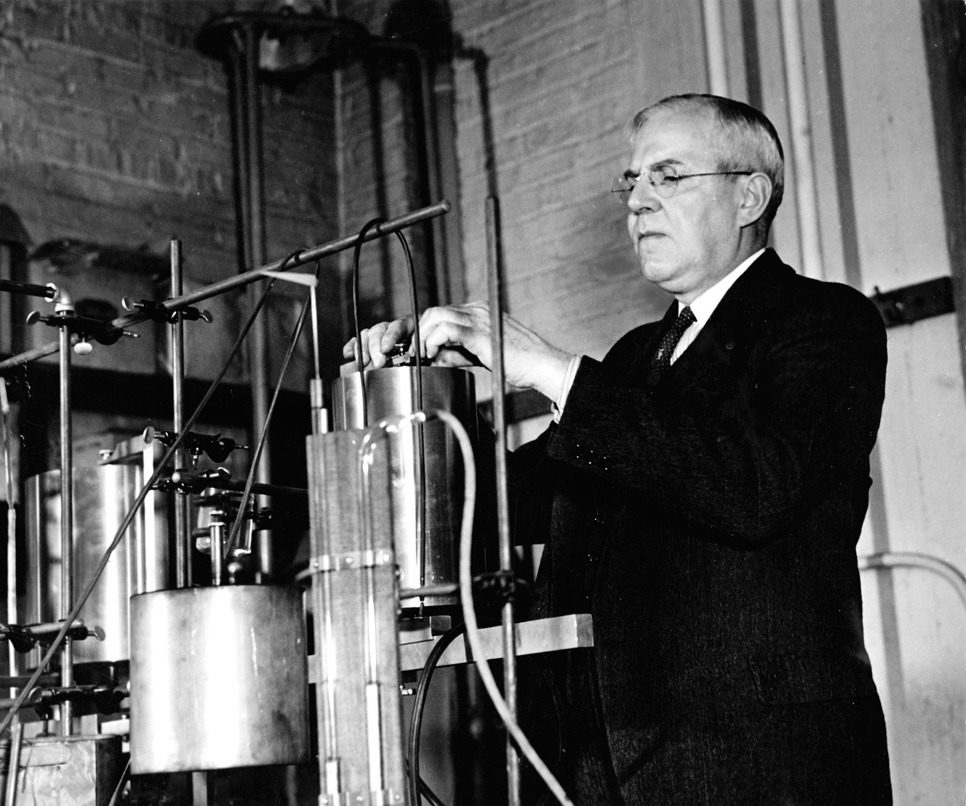
In the early 20th century, ethylene was viewed merely as an industrial gas. However, observations that it caused plants to “sleep” prompted Luckhardt to investigate its effects on animal physiology. His early experiments focused on respiratory and cardiac reactions to inhaled ethylene, eventually confirming that it could induce a state of unconsciousness similar to surgical anesthesia.
Demonstrating immense personal dedication, Luckhardt performed hundreds of self-administered inhalation tests. Through 700 to 800 exposures, he proved that ethylene was safe, stable for the heart and lungs, and offered a rapid, manageable transition into and out of anesthesia.
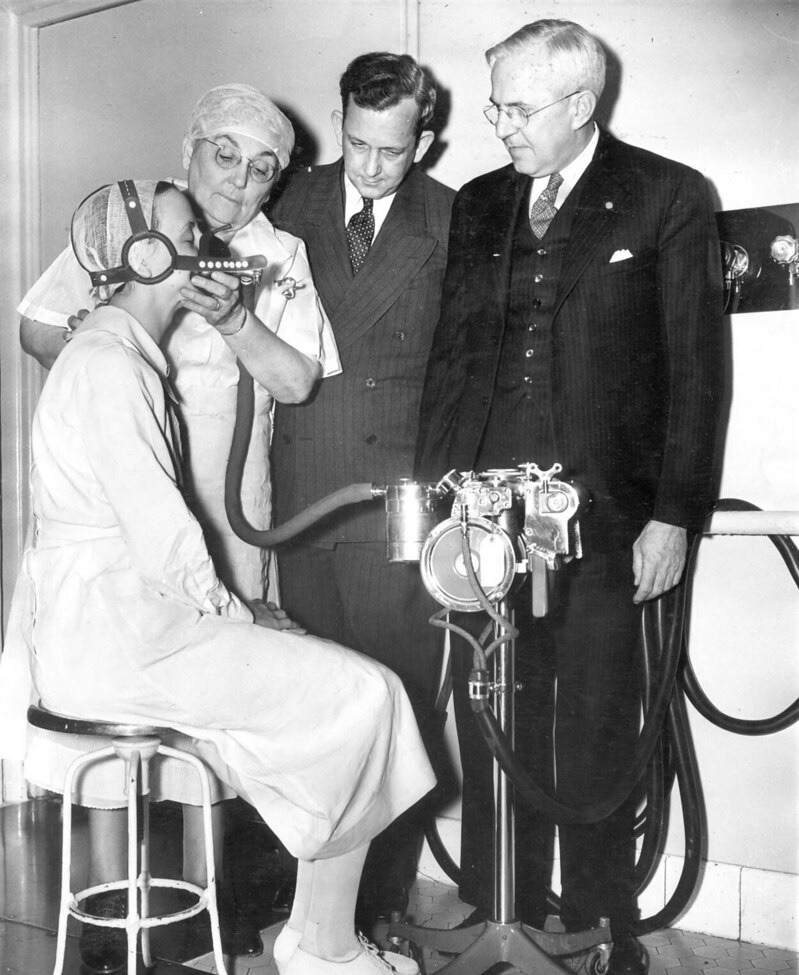
In 1923, Luckhardt and his surgical team used ethylene at the Presbyterian Hospital in Chicago. The results were clear: it provided fast induction, precise depth control, and less respiratory suppression than other common agents of the time, marking a major turning point for the field of anesthesiology.
Scientific Leadership and Legacy
Beyond the lab, Luckhardt was an influential educator who prioritized mentorship. He served as president of the American Physiological Society and led the Federation of American Societies for Experimental Biology. His global stature was confirmed when he was elected to the German Academy of Sciences Leopoldina and nominated for the Nobel Prize in Physiology or Medicine in 1928.
He was also a dedicated historian of medicine, amassing one of the world’s largest private collections of rare medical texts. His passion for the history of the craft even led him to assist researchers in interpreting the Edwin Smith Papyrus, an ancient Egyptian surgical document.
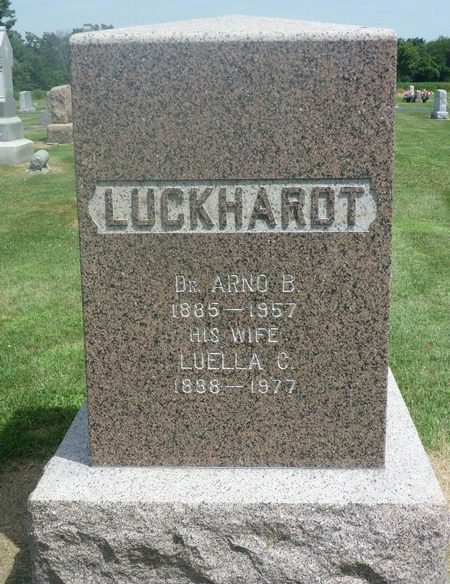
Arno Benedict Luckhardt left an indelible mark on medical science. His work not only bridged the gap between fundamental research and bedside care but also fundamentally transformed global surgical practice through his work on inhalation anesthesia.