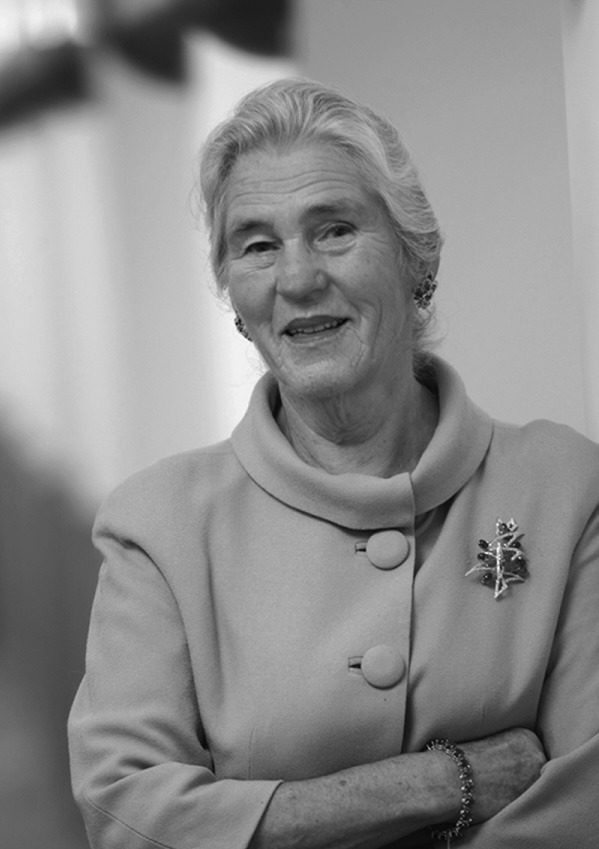

An American geneticist whose discoveries radically transformed our understanding of oncology, Janet Rowley became the first scientist in history to prove that chromosomal translocations could be the direct cause of leukemia and other cancers. Her research laid the foundation for molecular oncology and confirmed that cancer is a genetic disease rooted in DNA structural abnormalities. Read more at ichicago.
Early Life and Education
Janet Davison was born on April 5, 1925, in New York City to an intellectually oriented family. Her parents, Hurford and Ethel Ballantyne Davison, both had academic backgrounds and worked in education, which significantly shaped her early interest in science. She demonstrated exceptional academic potential from a young age. At 15, she earned a scholarship to the University of Chicago Laboratory Schools, where she completed both her secondary and part of her undergraduate education.
She later continued her studies at the University of Chicago, where she earned a Bachelor of Philosophy, a Bachelor of Science, and eventually a medical degree. By age 23, she had already qualified as a physician. At the time, medical programs had significant gender barriers, and women made up only a small fraction of her class. Crucially, her education bridged the gap between fundamental natural sciences and clinical medicine, which defined her future scientific approach.
Medical Career
After receiving her medical license in 1951, Rowley worked as a physician in pediatric clinics. She specialized in developmental disorders and later taught neurology at a medical college. She worked within the public health system in Maryland and Chicago, where she treated children with developmental challenges, including Down syndrome.
Throughout the 1950s, she worked at a research center for children with neurological and cognitive impairments while teaching neurology at the University of Illinois College of Medicine. This period served as a bridge between clinical practice and fundamental scientific research.
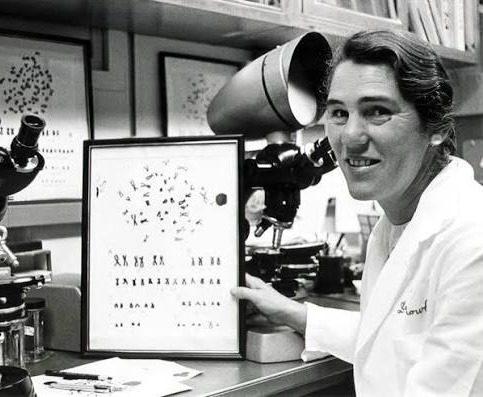
During the 1950s and 1960s, she balanced clinical work with research, gradually shifting her focus toward investigation. Her interest in cell biology and chromosomes deepened after a fellowship at the U.S. National Institutes of Health, where she studied DNA replication.
The Scientific Breakthrough
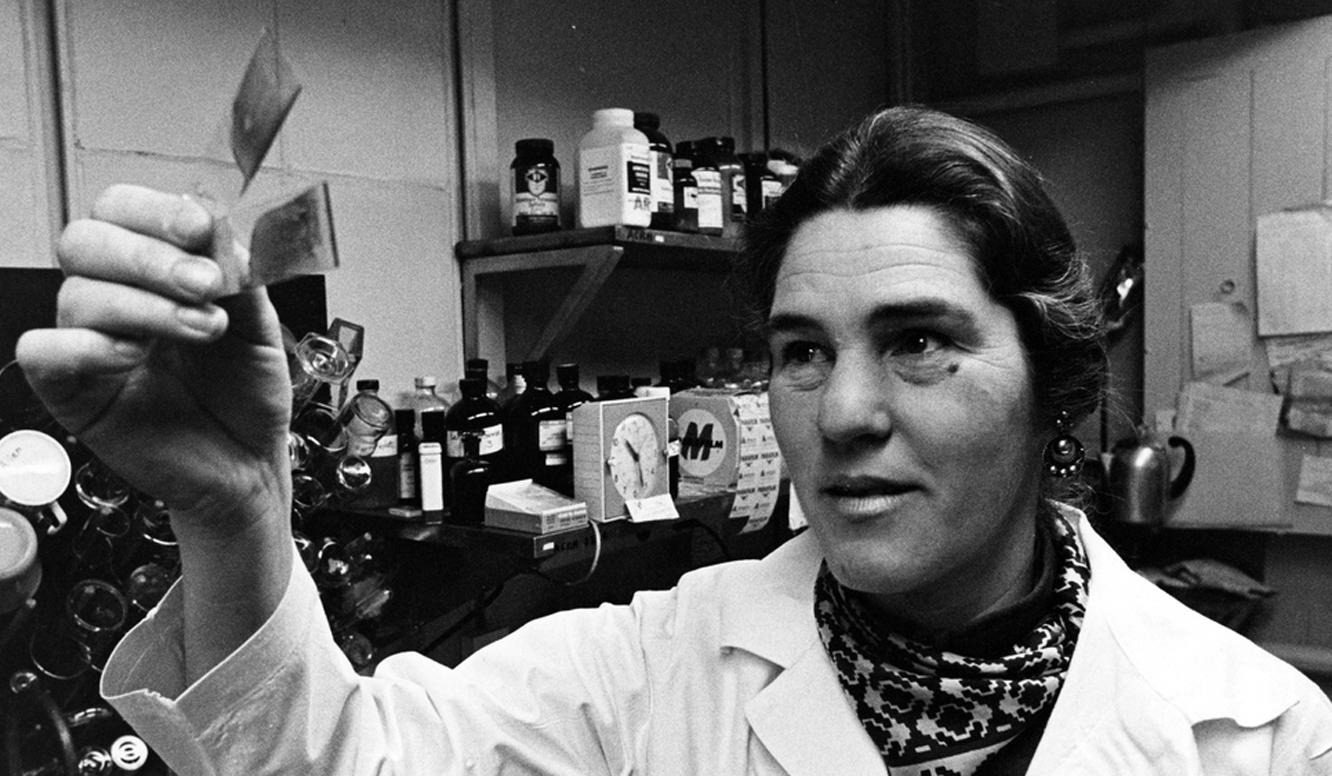
Janet Rowley’s greatest scientific contribution involved investigating chromosomal abnormalities in cancer cells. In 1972, she became the first to prove that certain types of leukemia were linked to chromosomal translocation—a process where fragments of chromosomes exchange or shift places. She identified that the so-called “Philadelphia chromosome” arises from a translocation between the 9th and 22nd chromosomes.
Subsequent research showed that other forms of leukemia also featured characteristic genetic rearrangements, including translocations between chromosomes 8 and 21, and 15 and 17. This provided key evidence that cancer is not merely the result of random cellular change, but has a clear genetic basis.
Her work initially faced skepticism from the scientific community, which largely held the view that chromosomal changes were the result, not the cause, of cancer. Eventually, however, her hypothesis was fully vindicated. By the 1990s, dozens of similar translocations had been described across various types of oncological diseases.
Rowley’s discoveries laid the foundation for modern molecular cancer diagnostics. They allowed for more accurate classification of leukemia types, improved prognostic accuracy, and enabled the selection of targeted therapies. Her work also influenced the development of new drugs aimed at specific genetic disruptions within cells, marking a pivotal step toward personalized medicine.
Academic Legacy
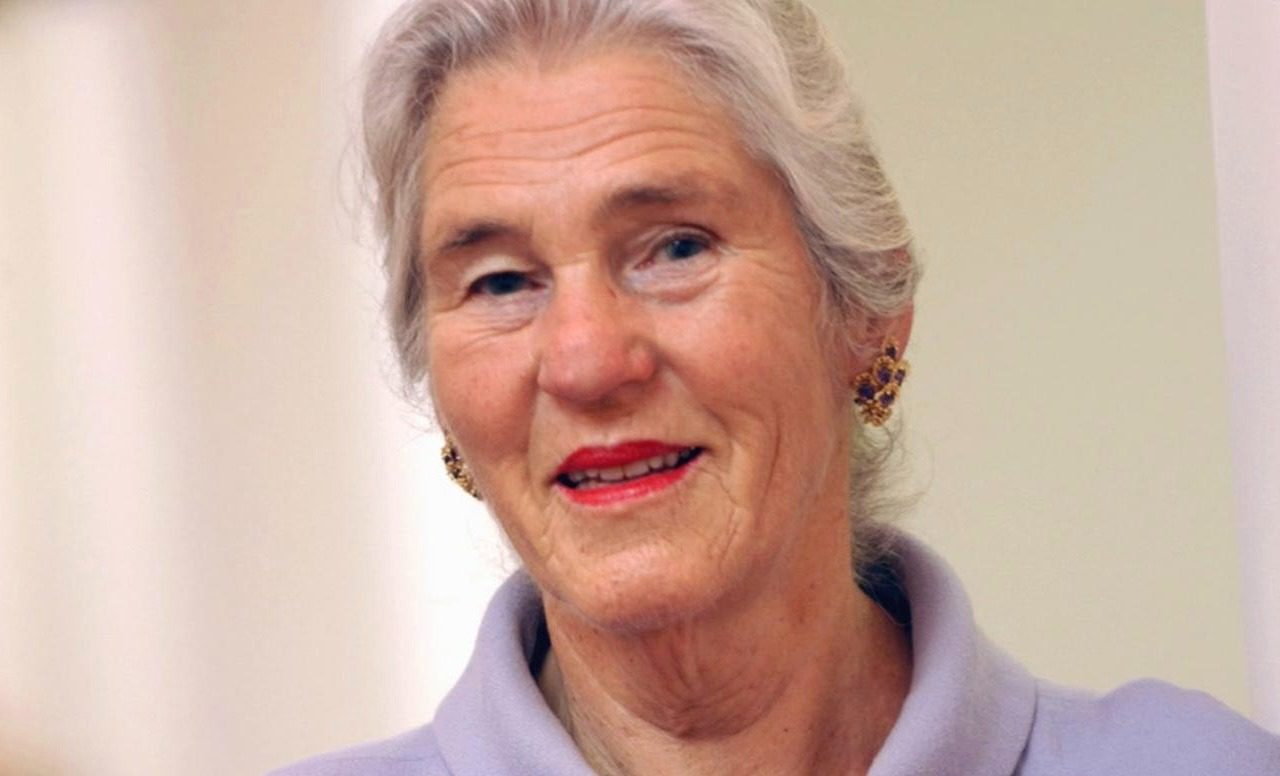
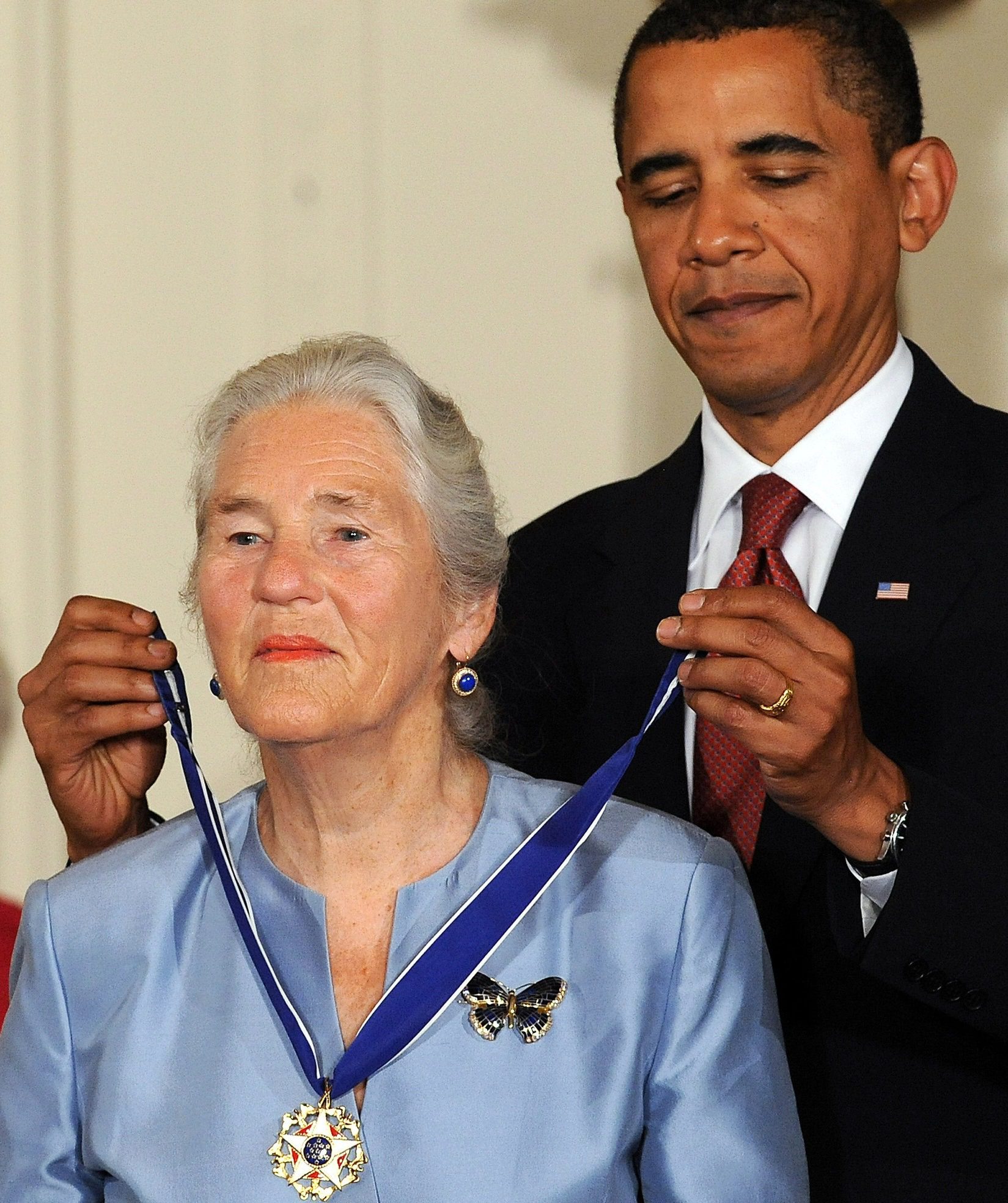
Rowley held a long-standing position at the University of Chicago, where she served as a professor of medicine, molecular genetics, and cell biology. She was a leading researcher in the fields of hematology and cancer genetics. Her scientific achievements were honored with the highest accolades in the U.S., including the National Medal of Science and the Lasker Award. She was also awarded the Presidential Medal of Freedom—one of the nation’s highest civilian honors. Her work earned numerous international prizes, and in 2017, she was posthumously inducted into the National Women’s Hall of Fame.
A member of the U.S. National Academy of Sciences and the American Academy of Arts and Sciences, Rowley published hundreds of scientific papers and continued her research until nearly the end of her life. Janet Rowley passed away in Chicago on December 17, 2013, at the age of 88, following complications from cancer.
Rowley’s primary legacy lies in proving that cancer is a genetically driven process often triggered by specific structural changes in chromosomes. Her breakthrough opened the door to a new era of molecular medicine, where treatments are based on the underlying genetic mechanisms of disease.