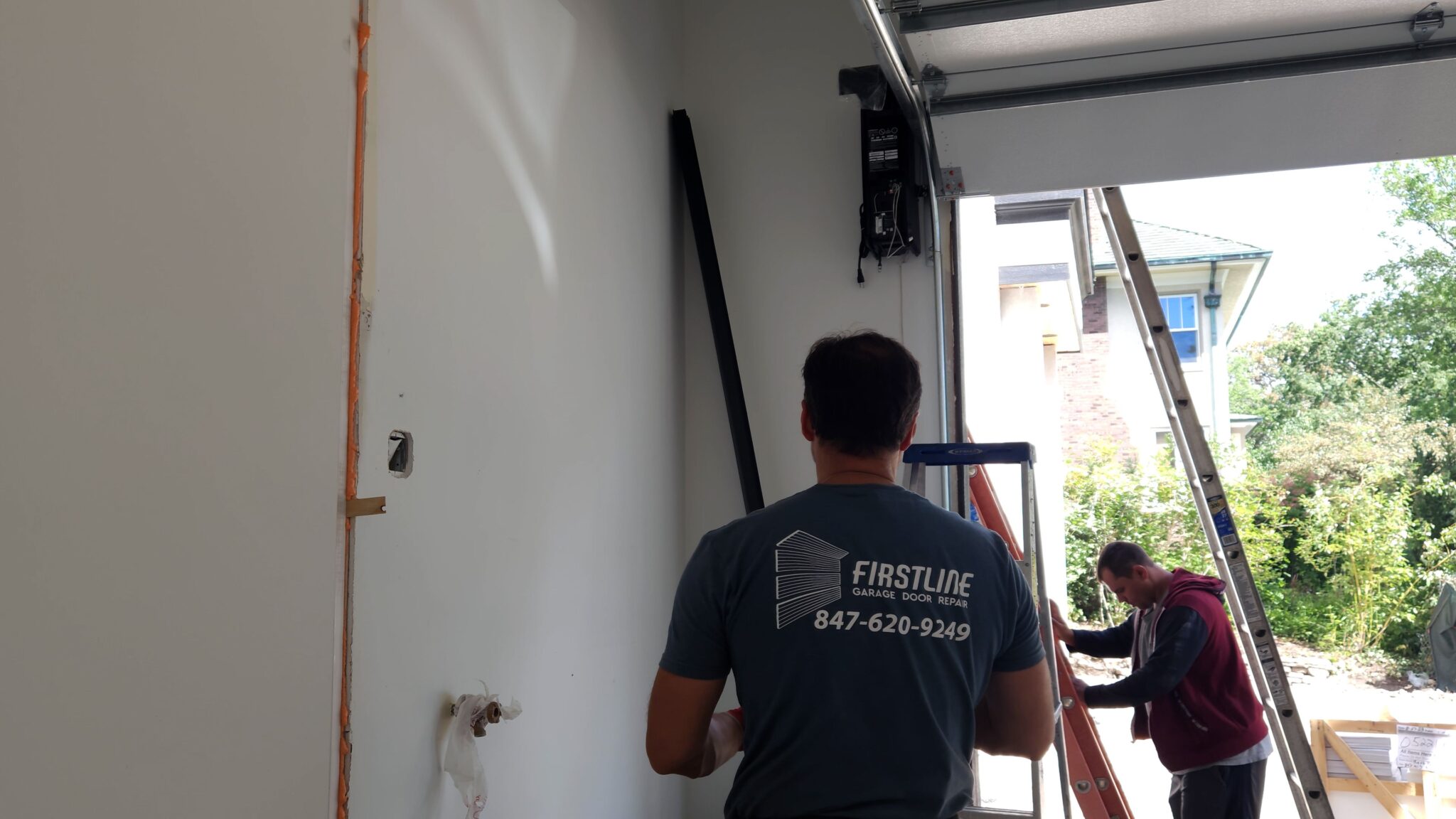

I started in this trade back in 2011, fixing my first broken torsion spring in a Mount Prospect garage where the homeowner had already been quoted $1,400 by another shop. The actual job was a couple hundred bucks in parts and an hour of labor. That gap — between what a job actually costs and what people get told it costs — has stuck with me for fourteen years. It’s the reason my company has spent the last two years quietly building free online tools, and it’s the reason I’m writing this.
If you live in Chicago or the northwest suburbs, odds are you’ve had a garage door problem at some point. A spring snaps overnight. The opener stops responding. The door makes a grinding noise that gets worse every week. The first call most people make is to whatever shows up at the top of Google. The trouble is, what shows up at the top isn’t always honest. The bigger trouble is, most homeowners have no way to tell the difference until the bill’s already on the table.
So a few years back, I started writing things down. Real numbers. Real cost ranges. Real photos of what a worn-out cable actually looks like versus a fresh one. That turned into something bigger — a set of tools on our website that anyone can use, free, before they ever pick up the phone.
The Pricing Problem Nobody Wants to Talk About
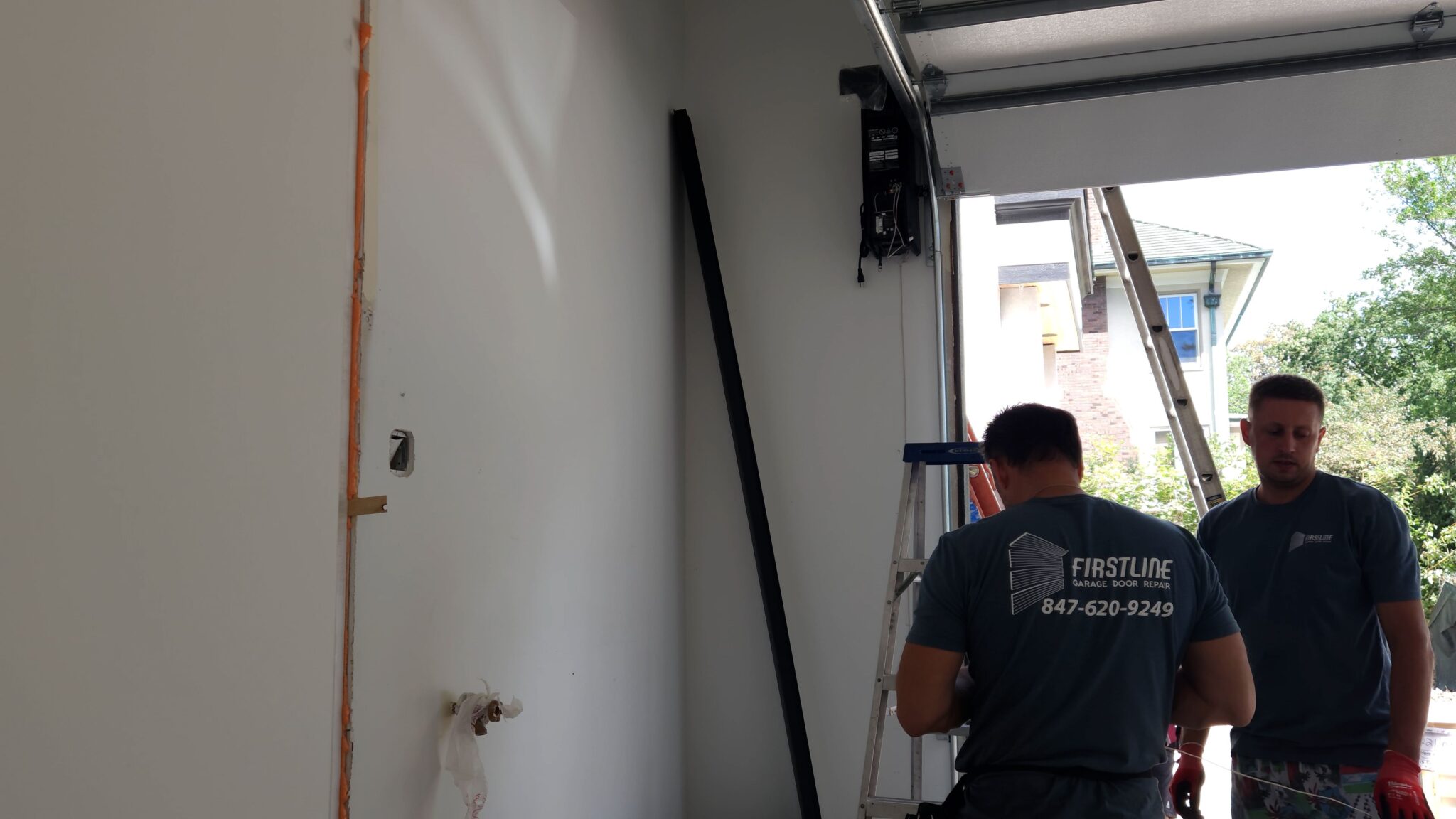
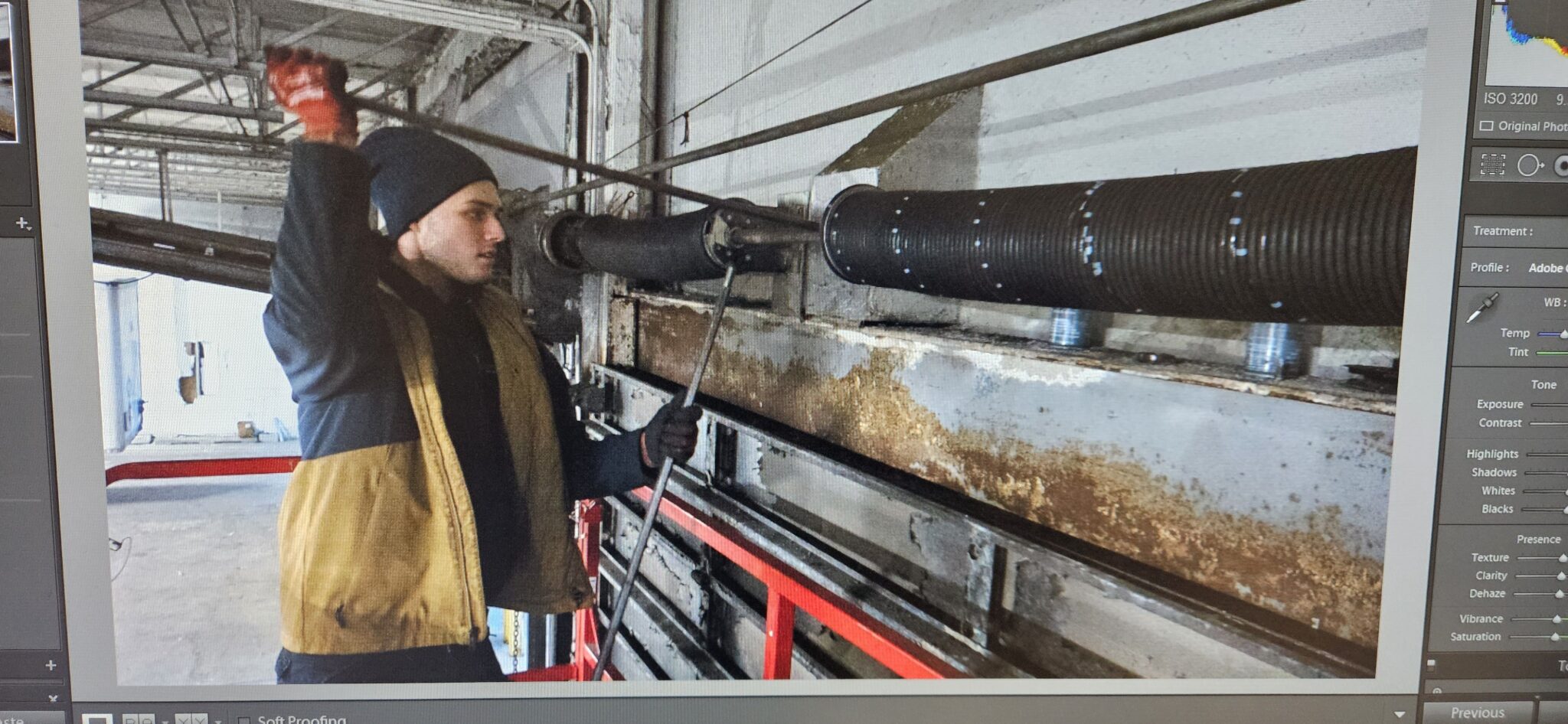
Look, garage door work isn’t complicated to understand. There are maybe ten things that commonly break. Springs. Cables. Rollers. Hinges. Track alignment. Opener motor. Logic board. Sensors. Remote. Keypad. Each one has a fairly predictable price range. A torsion spring in this market runs about $180 to $350 installed, depending on door size and spring rating. A new chain-drive opener with installation runs about $450 to $700. A cable replacement, both sides, runs about $180 to $250.
Those numbers shouldn’t be a secret. But they often are.
I’ve had customers in Palatine show me written quotes for $2,200 to replace one spring. I had a guy in Schaumburg who paid $1,800 for a roller swap — a job that takes forty minutes and uses parts that cost $40. The reason this happens isn’t that parts are expensive. It’s that there’s an information gap, and bad operators take advantage of it.
That’s what got me started.
Building the Quote Scam Detector
The first tool I worked on was the Quote Scam Detector. The idea was simple. If a homeowner gets a quote that feels off, they should be able to plug the numbers in and see whether it lines up with what the actual job costs in this market. You enter what you’ve been told is wrong with the door, the price the company quoted, and the tool tells you whether that price is in the normal range, on the high end, or completely out of bounds.
It’s not perfect. Every door is a little different. But for the most common situations — a single broken spring, a cable swap, a sensor alignment — it gives people a sanity check before they hand over a credit card. We’ve had homeowners send screenshots of the tool’s verdict next to the quote they got — sometimes from companies showing up in Chicago garage door repair ads — just to ask whether they were getting played. Half the time, the answer is yes.
The Price Calculators, and Why They Exist
After the scam detector, we built three price calculators. One for new door installations, one for repair pricing, and one specifically for openers. Each one walks you through the variables that actually move the price. Door size. Material. Insulation. Window inserts. Opener horsepower. Drive type.
The reason I wanted these out there is the number-one question I get on the phone: “What’s this going to cost?” And the honest answer is, “It depends on a few things.” That answer frustrates people, and I get why. So instead of making homeowners call three companies just to get a ballpark, the calculators give them a number in two minutes. It’s not a binding quote — nothing on a website can be — but it’s close enough to know whether they should keep going.
The Tools That Actually Diagnose Problems
The price stuff is one half of it. The other half is the diagnostic tools.
I’ll give you a real example. Two months ago, a woman in Buffalo Grove called us in a panic — her door wouldn’t close. It was 11 PM and she had a 5 AM flight. We could’ve sent a tech out for an emergency call. Instead, I asked her to walk through our Safety Sensor Troubleshooter on the phone with me. Five minutes later we figured out a spider had built a web across one of the photo eyes. She unplugged the opener, wiped both lenses with a paper towel, and the door closed. No truck roll, no charge. She still tipped the office team $50.
That kind of call happens more than you’d think. It’s also part of why people who find Firstline Garage Door Repair tend to come back — not because every call ends without a bill, but because the answer comes first and the bill comes second. We’ve got a Noise Diagnostic Tool too. You tell it what the noise sounds like — squeak, grind, pop, hum — and where it’s coming from, and it narrows the cause to a short list. A lot of “weird noises” are five-dollar fixes. Dry hinges. Worn nylon rollers. A loose chain. Most homeowners don’t need a tech for those. They need ten minutes and a can of white lithium grease.
What Fourteen Years Has Actually Taught Me
If you’d told me back in 2011 that I’d end up building software, I would’ve laughed. I started as a guy with a truck, a torque wrench, and a bag of springs. But the longer I’ve been at this, the more I’ve come to believe that the biggest thing wrong with our trade isn’t the work — it’s the experience around the work. People don’t trust the quote. People don’t know what’s real. People feel like they’re being talked down to.
So we tried to fix some of that. The tools are free. The pricing is on our site. The blog posts spell out, in plain English, what causes a door to do what it’s doing. Will every homeowner use them? No. But the ones who do tend to call calmer, more informed, and ready to make a decision instead of just hoping the price they got was fair.
Chicago’s a tough market for garage doors. Winters tear them up. Salt corrodes the hardware. Heavy two-car insulated steel doors with builder-grade springs break on schedule, usually around year seven. If you’re in the city or out in the northwest suburbs and dealing with any of this, the tools are sitting there waiting. And if you’d rather just talk to a person, a good local team — whether it’s mine or someone else’s — should be able to give you a real answer in plain language. That’s the bar. It really shouldn’t be high.