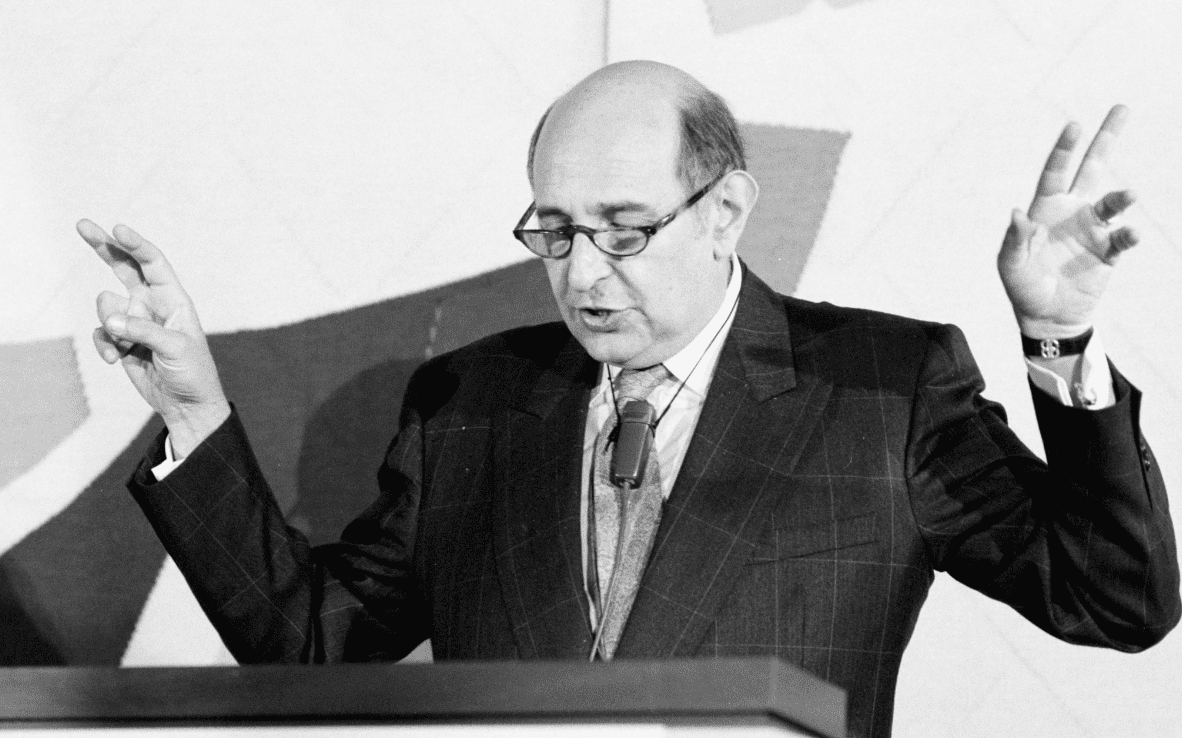

Allan Bloom was a prominent American philosopher and an outspoken critic of democratic education. He authored the blockbuster bestseller The Closing of the American Mind, a book that boldly challenged the effectiveness of the modern liberal education model. Bloom dedicated nearly his entire life to exploring the timeless questions that have captivated humanity for centuries. To discover the life story and academic journey of this renowned thinker, visit ichicago.net.
University Years and Leo Strauss’s Defining Influence on Bloom’s Thought
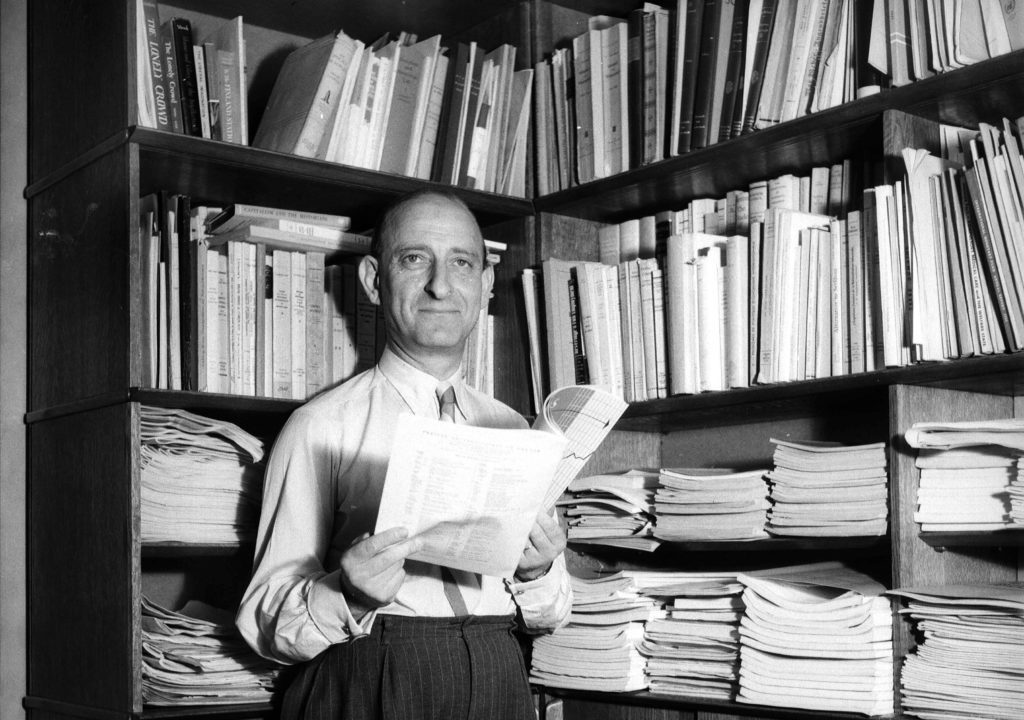
Allan David Bloom was born on September 14, 1930, in Indianapolis, where he attended local public schools. His parents were European immigrants who worked as social workers.
When Bloom was 16, his family relocated to Chicago, and he enrolled at the University of Chicago, joining its landmark humanities program. He thrived in this academic environment, earning his PhD from the university in 1955. During his time there, he studied alongside Stanley Rosen and Seth Benardete, both of whom would also go on to become leading political theorists.
While at the university, Bloom was deeply moved by the ideas of Leo Strauss, the chair of the political science department. The two forged a profound intellectual bond that ultimately shaped Bloom’s path as a philosopher.
In his later writings, Bloom recalled that attending his very first lecture by Strauss felt like an intellectual explosion. Strauss spoke about Plato’s life and ideas with such vivid urgency that the ancient philosopher seemed alive, his teachings directly applicable to the modern world.
Throughout his career, Bloom championed his mentor’s core beliefs. Strauss argued that modern philosophy was facing a deep crisis, and that the only way forward was to return to the classical teachings of Aristotle, Rousseau, and Plato. Bloom actively integrated these principles into his own classrooms.
Perhaps the most famous concept Bloom adopted from Strauss was the inherent tension between philosophy, politics, and religion. For centuries, free philosophy was seen as a threat to societal order. Consequently, Bloom advocated for universities to serve as a “safe space”—a sanctuary where students could pursue philosophical truths without fear of backlash and away from the noise of political ideologies.
After earning his doctorate, Bloom began his teaching career at the University of Chicago. He was later invited to teach political science at Yale University, and also held faculty positions at Cornell University and the University of Toronto over the course of his career.
Early Works and Acclaimed Translations
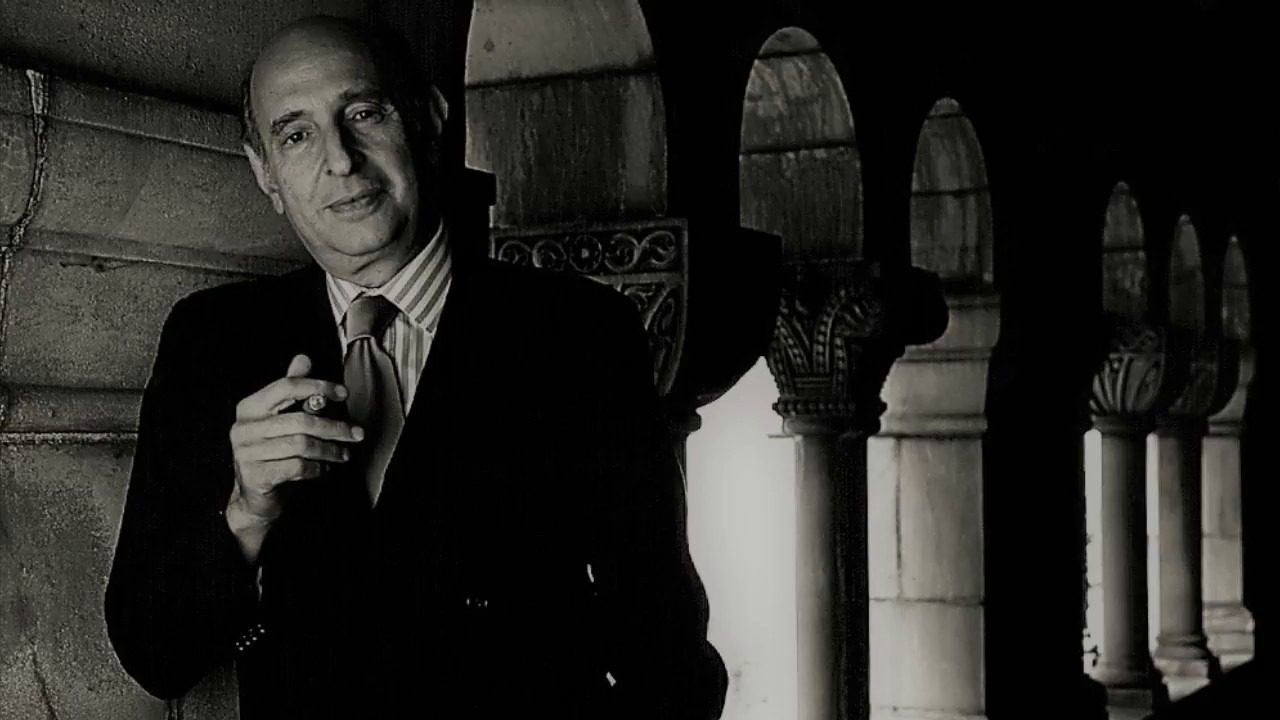
One of Bloom’s most significant contributions to academia was his English translations of classic philosophical texts. His first major publication, released in 1960, was a translation of Jean-Jacques Rousseau’s 1758 letter on politics and the arts.
In 1964, Bloom co-authored his second book, Shakespeare’s Politics, alongside Harry Jaffa. The work offered a compelling collection of essays exploring the deep political philosophy embedded within the famous playwright’s works.
His landmark translation of Plato’s Republic followed in 1968. Bloom chose a rigorous, literal translation style because he believed modern readers should not confuse ancient Greek concepts like “justice” with contemporary ideas of “values.” The philosopher firmly believed that to truly understand human life, one had to master the original texts of history’s greatest minds.
To this day, many scholars consider Bloom’s translations to be the definitive English versions. While teaching at Cornell, he also served as the director of “Agora,” a university publishing project dedicated to translating classical philosophy.
The Cornell Student Uprising and Resignation
Even during his early days in Chicago, Bloom worried that unchecked democratic passions posed a threat to traditional liberal arts education. Years later, as a professor at Cornell, those fears became a reality. Bloom witnessed firsthand the historic 1969 student protests, during which armed students occupied the campus student union. When the university administration capitulated to the protestors’ demands instead of maintaining order, Bloom saw it as a dangerous turning point for higher education.
In protest of the administration’s actions, Bloom and his close colleague Walter Berns resigned from the university. Bloom moved to Paris, spent a year teaching at a local university, and then accepted an offer from the University of Toronto, where he went on to teach for nearly a decade.
This period proved to be incredibly successful. Bloom earned a reputation as a mesmerizing lecturer, inspiring a new generation of scholars who dedicated themselves to analyzing the works of Rousseau, Plato, and other foundational thinkers.
“The Closing of the American Mind” and Cultural Impact
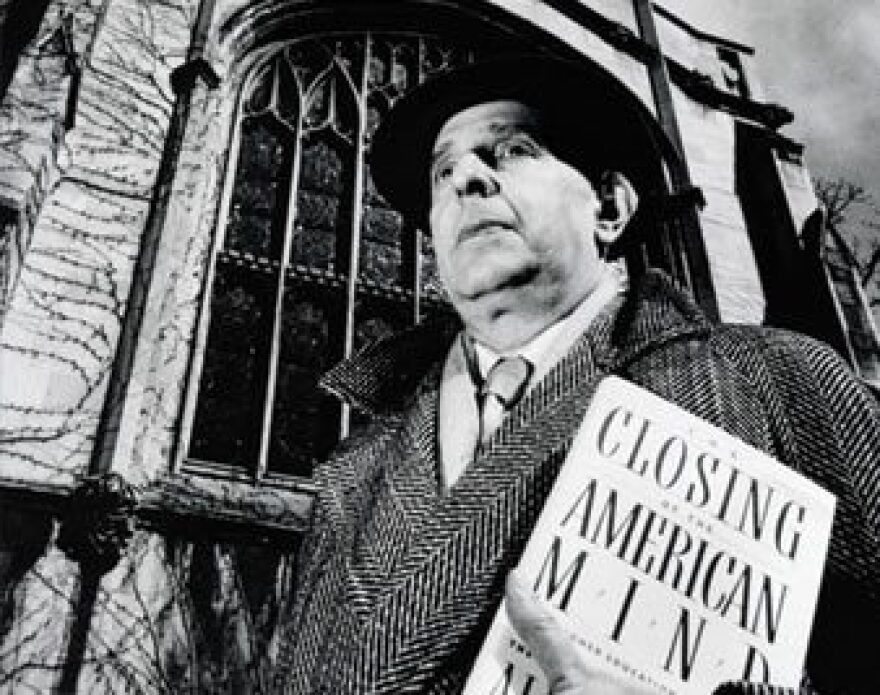
In 1979, Bloom returned to his roots at the University of Chicago, joining the prestigious Committee on Social Thought. Back at his alma mater, the professor found exactly what he had been missing: an environment dedicated to classical education, free from radical political trends.
It was during this time that Bloom penned his magnum opus, The Closing of the American Mind, published in 1987. The book catapulted him into the national spotlight, selling roughly one million copies and sparking a fierce national debate.
While the public bought the book in droves, it triggered a massive backlash within academia, including at the University of Chicago. Bloom faced intense criticism, with detractors labeling him a racist, a sexist, and an elitist.
Though the author initially intended the book to be a scholarly collection of reflections on the crisis of university culture, it unexpectedly became a mainstream sensation. Its massive success granted Bloom financial independence for the rest of his life.
The book’s core arguments focused on three main points:
- The Crisis of the Humanities: Bloom criticized universities for abandoning the Great Books in favor of hyper-specialized and politically driven curricula. He argued that this shift left students without a cultural or moral compass.
- Spiritual Emptiness: Bloom argued that while modern students were more tolerant and wealthier than past generations, they lacked spiritual and intellectual depth. He also targeted contemporary pop culture, believing it fueled instant gratification rather than deep thought.
- The Intellectual Capitulation of Universities: The author insisted that higher education had stopped acting as an independent sanctuary for truth. He argued that universities must remain a free market of ideas rather than bending to shifting political and social trends.
Allan Bloom’s Final Years
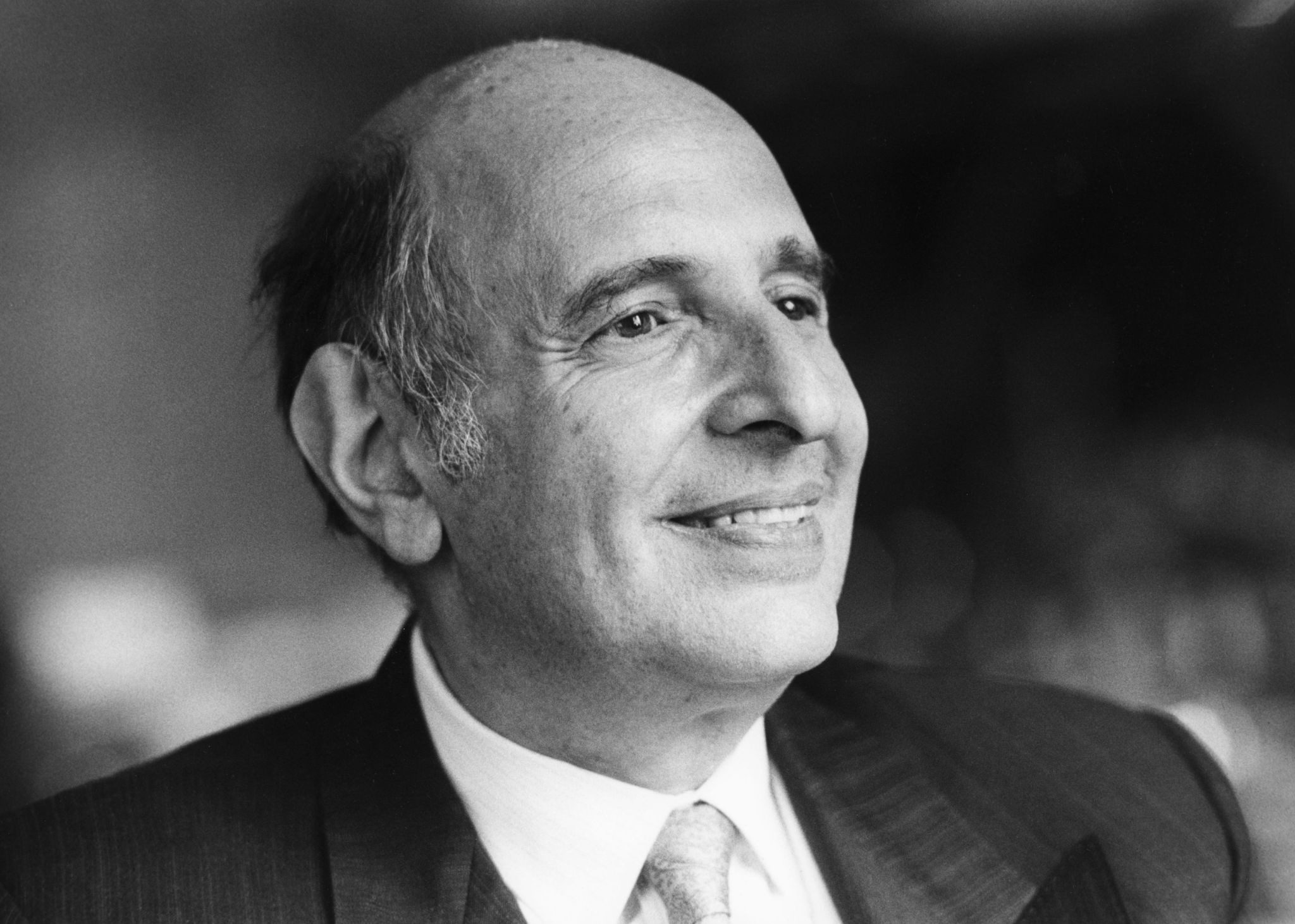
Alongside his teaching duties, Bloom also served as the director of the John M. Olin Center for Inquiry into the Theory and Practice of Democracy at the University of Chicago.
Bloom was gay, though he chose to keep his personal life private, sharing his orientation only with close friends. The influential American philosopher passed away on October 7, 1992, at the age of 62. His death was caused by liver failure, which was widely reported to be a complication of AIDS.