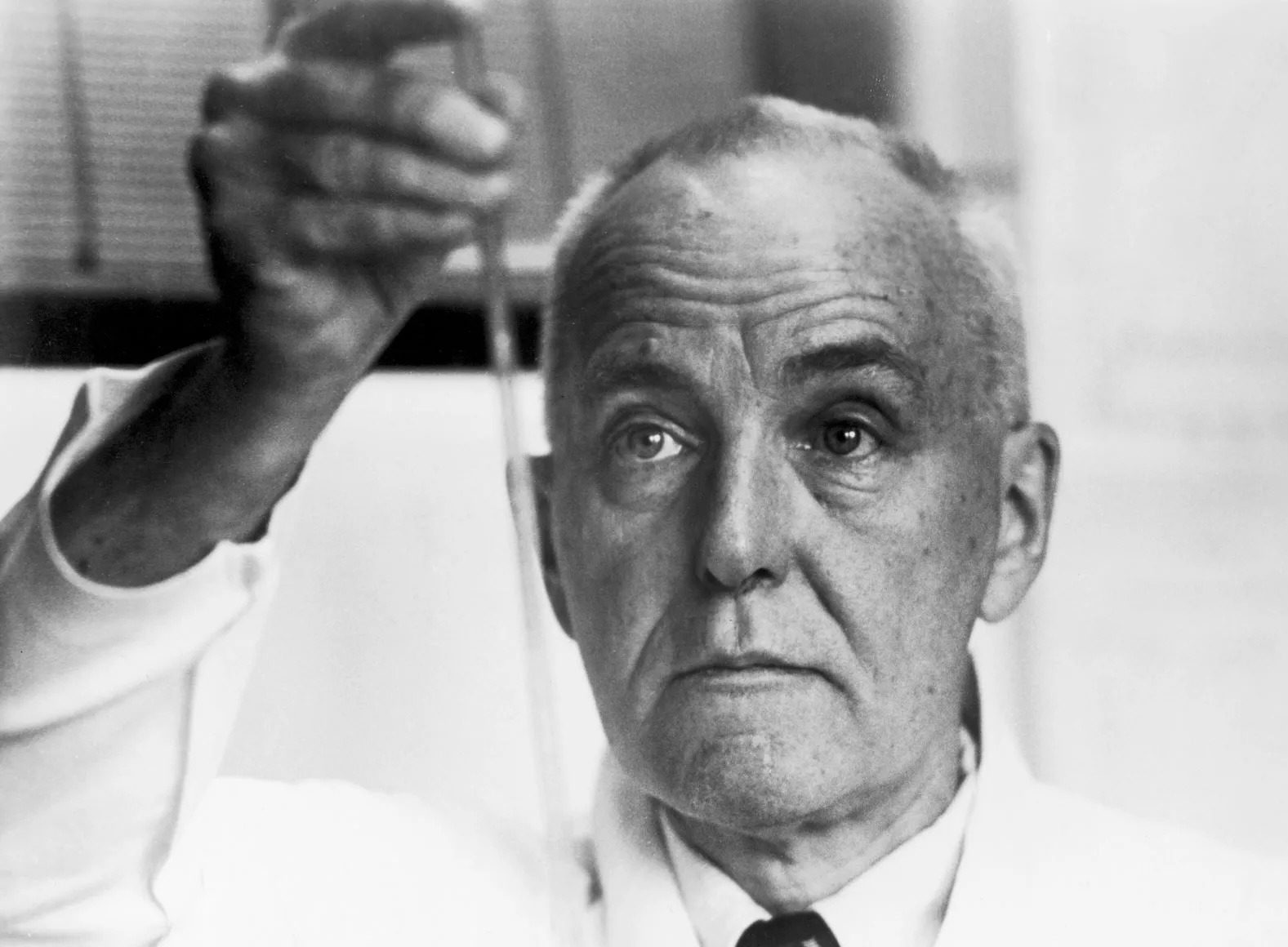

A Canadian-American surgeon and physiologist, Charles Huggins achieved one of the most significant breakthroughs in modern oncology. He proved that prostate cancer is hormone-dependent and can be treated through hormonal therapy. His research laid the groundwork for endocrine oncology and revolutionized the treatment of hormone-sensitive tumors. In 1966, he was awarded the Nobel Prize in Physiology or Medicine for this discovery. His research also spanned breast cancer, biochemical enzyme mechanisms, and the creation of experimental tumor models that remain staples in medical science today. Read more at ichicago.
Early Life
Charles Brenton Huggins was born on September 22, 1901, in Halifax, Nova Scotia, Canada. The eldest son of Charles E. Huggins and Bessie Maria Spencer, he did not come from an academic dynasty, though his family strongly valued education and science.
After attending schools in Halifax, he enrolled at Acadia University, graduating with a Bachelor of Arts in 1920. During his studies, he developed a passion for chemistry and the natural sciences, supplementing his education with courses in organic and physical chemistry at Columbia University. In 1924, he earned his M.D. from Harvard Medical School. He then completed his internship and clinical training in general surgery at the University of Michigan, where his interest in experimental medicine and urology began to take shape.
Academic Career
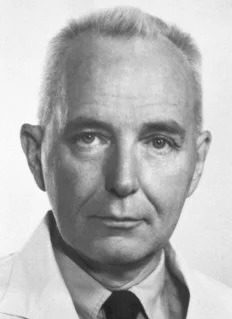
In 1927, Charles Huggins was invited to join the faculty of the University of Chicago’s new medical school as one of its first instructors. He began working in urology, despite not having specialized training in the field, and was forced to master the discipline through independent study. His university career progressed rapidly from instructor to assistant professor, and eventually, professor of surgery. By the 1930s, he was fully integrating clinical practice with laboratory research.
In 1951, with the support of philanthropist Ben May, the Ben May Laboratory for Cancer Research was established under Huggins’ leadership. This center became the cornerstone of his scientific work, bridging biochemistry, endocrinology, pathology, and surgery. This holistic approach fostered a new model of scientific thinking: cancer was no longer viewed merely as a localized disease, but as a systemic process tied to the body’s hormonal and biochemical mechanisms. His students and followers continued to build on these ideas, shaping modern oncological science.
Scientific Research
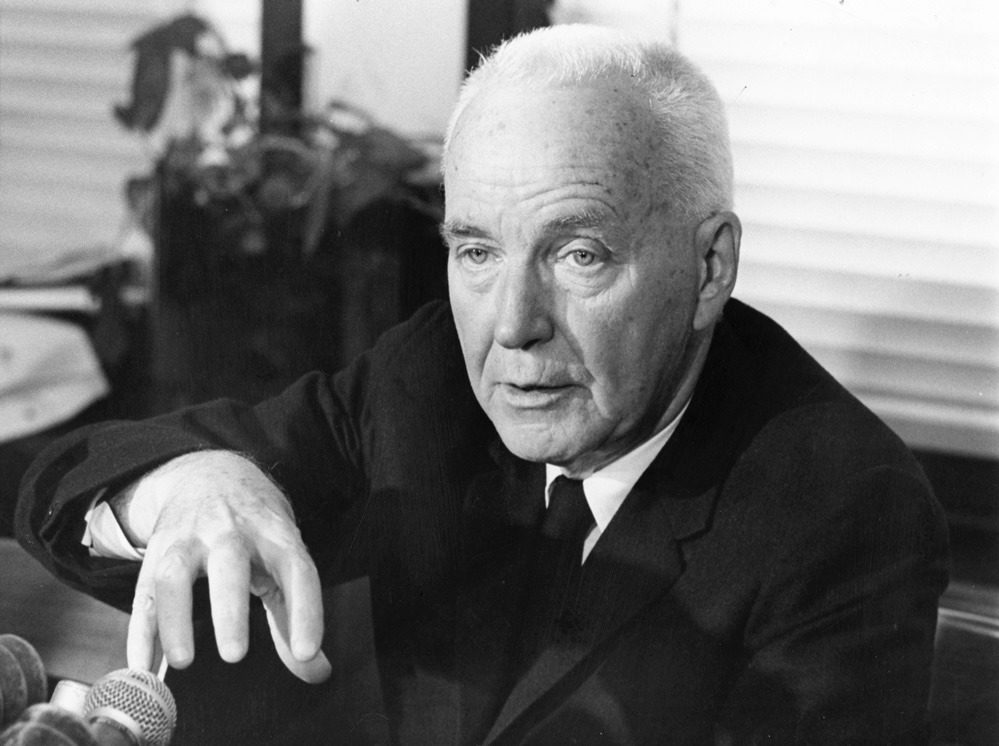
Huggins’ early work focused on bone tissue physiology, but he soon shifted to studying the male urogenital system. In the 1930s, he explored the composition of seminal fluid and the prostate’s role in its formation. He proved that prostate function depends on androgens (male sex hormones). Subsequent experiments showed that hormonal influence could be controlled: estrogens could suppress androgen activity, thereby affecting prostate growth and function.
In the late 1930s, Charles Huggins began a series of experiments on dogs—one of the few laboratory species that naturally develop prostate tumors similar to those in humans. He developed a method to precisely collect prostate secretions in living animals, allowing him to study metabolic activity in both healthy and pathological states for the first time. The results confirmed that prostate function is critically dependent on androgens. After surgical castration (orchiectomy), the dogs experienced rapid prostate atrophy, a cessation of secretion, and a significant drop in metabolic activity. In 1940, Huggins expanded his observations to animals with prostate hyperplasia or tumors, finding that both surgical castration and estrogen administration led to significant tumor reduction. This was the first direct proof of the hormonal dependence of prostate cancer growth.
In 1941, Huggins moved from animal experiments to clinical observations of patients with metastatic prostate cancer. In a study of 21 patients, orchiectomy resulted in reduced tumor mass, significant pain relief, and improved appetite and general well-being. Beyond clinical effects, he observed a sharp decline in serum acid phosphatase—a marker of prostate tumor activity. Remarkably, some patients lived for over 12 years after starting the therapy, an exceptional outcome for metastatic cancer at the time.
During his study of prostate cancer, Huggins developed methods for measuring enzymes in the blood. He proposed using chromogenic substrates—substances that change color in the presence of specific enzymes. This approach allowed for precise determination of phosphatase, esterase, and other biochemical marker levels, becoming a vital diagnostic tool.
Breast Cancer Research
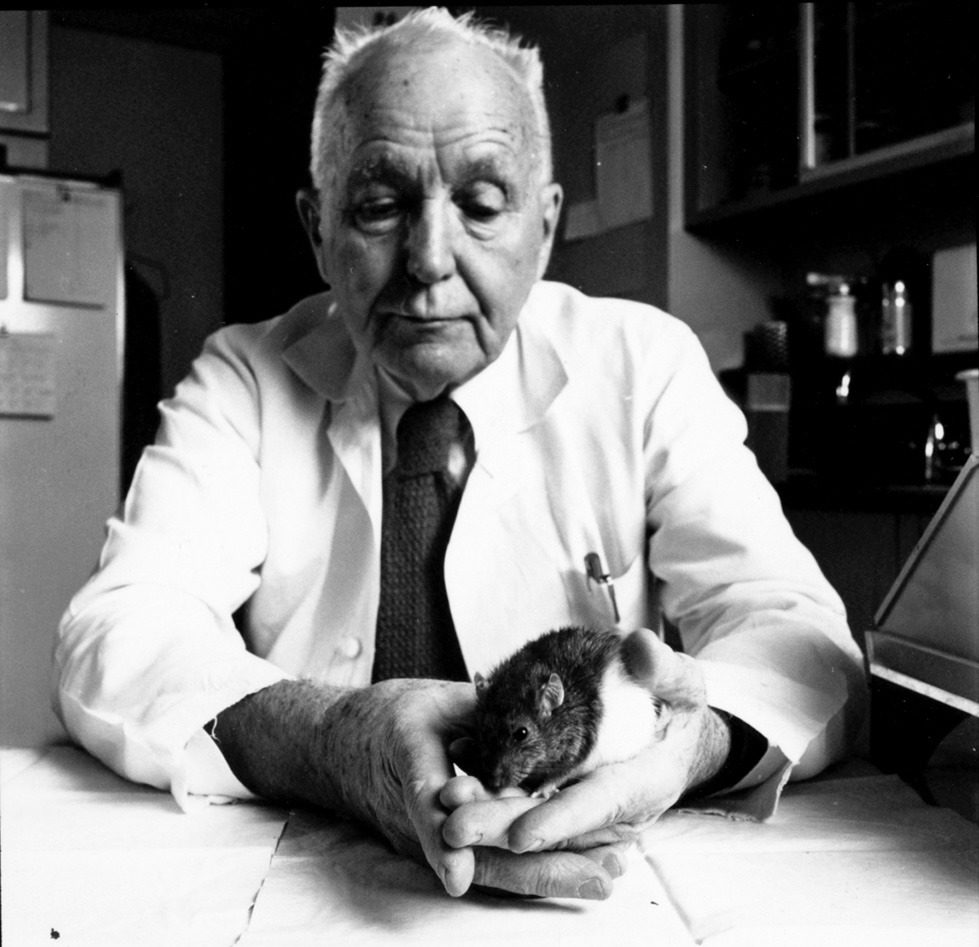
In the 1950s, Huggins extended his research to breast cancer. He proved that this type of tumor is also hormone-dependent: estrogens stimulate tumor growth, while androgens can inhibit it. He also created the first reliable experimental model of breast cancer in rats, which became a foundation for oncology research and is still known as the “Huggins tumor.”
Scientific Awards
Charles Brenton Huggins received numerous international honors. He was elected to the National Academy of Sciences and the American Academy of Arts and Sciences in 1949. In 1962, he was inducted into the American Philosophical Society. The following year, he received the prestigious Lasker Award for his contributions to medical science. His highest recognition came in 1966 with the Nobel Prize in Physiology or Medicine for his discovery of hormonal treatment for prostate cancer.
Between the 1950s and 1970s, Charles Huggins received a vast number of honorary degrees from leading universities worldwide. This served as recognition of his global impact on medicine, surgery, and oncology. Notable distinctions include:
- Doctor of Science (D.Sc.) from Washington University in 1951;
- D.Sc. from the University of Leeds in 1953;
- D.Sc. from the University of Torino in 1957;
- Doctor of Laws (LL.D.) from the University of Aberdeen in 1966.
In total, he received over a hundred honorary awards and recognitions from academic institutions, scientific societies, and medical organizations, underscoring his status as one of the most influential scientists in 20th-century medicine.
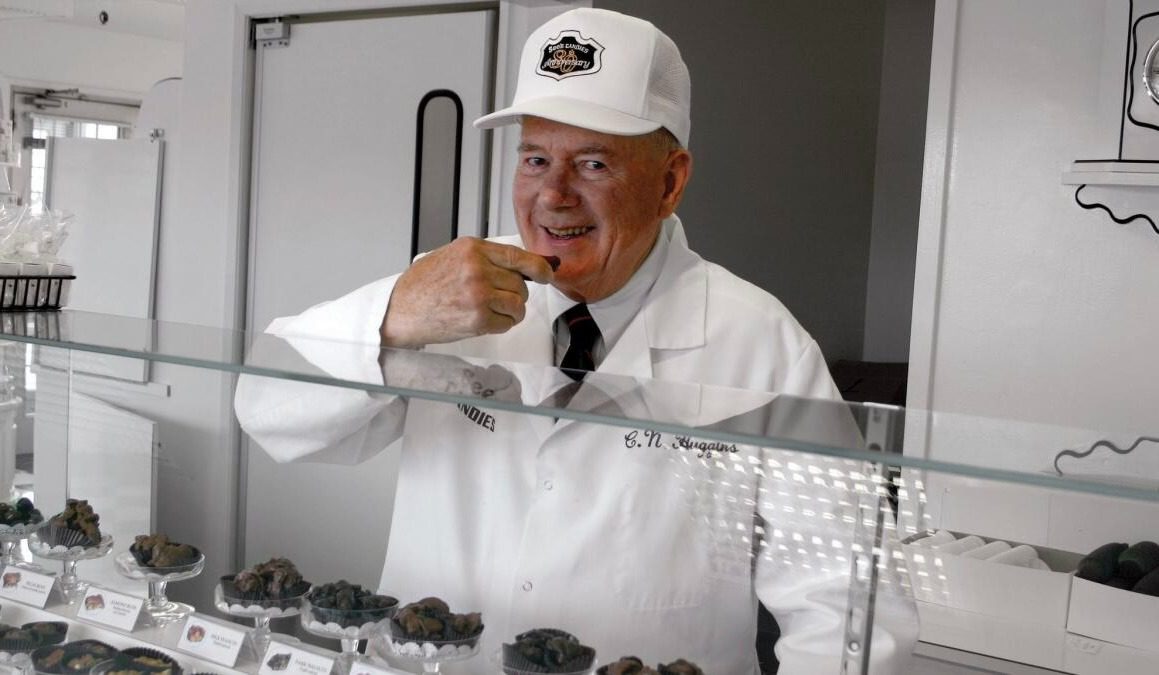
In 1927, Charles Huggins married Margaret Wellman. They had a son and a daughter. His son also became a surgeon, specializing in transfusion medicine. Huggins remained an active researcher well into old age, continuing to work in the laboratory even at age 90. He passed away in Chicago on January 12, 1997, at the age of 95.
Charles Brenton Huggins’ scientific contributions transformed modern oncology. His discoveries proved that certain cancers depend on hormones and can be controlled through endocrine therapy.
His work laid the foundation for:
- Hormonal therapy for prostate cancer;
- Modern treatment approaches for breast cancer;
- The development of endocrine oncology;
- Laboratory diagnostic enzyme testing.
His scientific school and methodologies continue to influence modern medicine today.