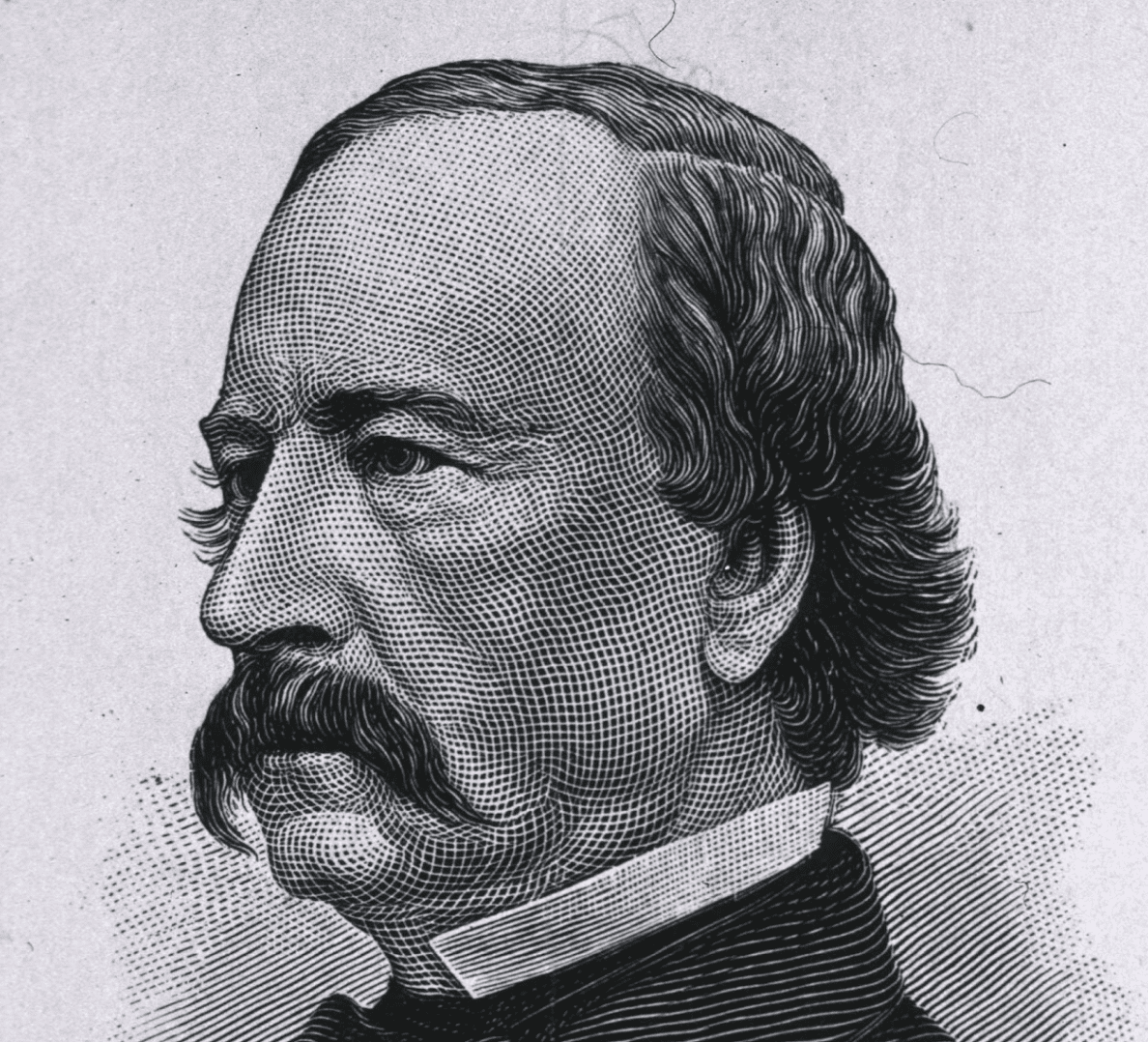

The history of medical education in Chicago began with a man whose name is now known primarily to specialists, yet his influence is still felt in the 21st century. Daniel Brainard—a surgeon, educator, and visionary—laid the groundwork in the mid-19th century for the city’s emergence as one of the leading medical centers in the U.S. Brainard combined surgical practice with teaching, introduced innovations, and actively shaped a new generation of doctors. Also, learn about the typhoid epidemic in Chicago. More on ichicago.
Biography
Daniel Brainard was born in 1812 in New York, during a period when American medicine was just beginning to establish itself as a science and profession. From an early age, he showed an interest in anatomy and surgery. After earning his degree, Brainard sought a place where his ideas could flourish. In 1836, at just 24 years old, he headed west and settled in Chicago—then a small settlement with a population of less than 4,000. The city was growing rapidly due to its convenient location near the Great Lakes, but infrastructure was minimal, and medical care was rudimentary. Brainard immediately recognized the need: Chicago had no medical school, hospital, or structured medical education. He understood that founding an educational institution was not only an opportunity for personal fulfillment but also a chance to change the future of the entire region. In 1837, a few months after Chicago officially became a city, Brainard petitioned the Illinois General Assembly for permission to establish a medical college. Thus, the idea for Rush Medical College emerged—the first educational institution of its kind in all of Illinois. Brainard proposed naming it after Dr. Benjamin Rush—a distinguished physician, psychiatry reformer, and one of the signers of the U.S. Declaration of Independence. This step demonstrated Brainard’s foresight: he wasn’t just creating a school—he was building a foundation for an entire medical system in the American Midwest, focused on practicality, innovation, and accessibility.

Rush Medical College
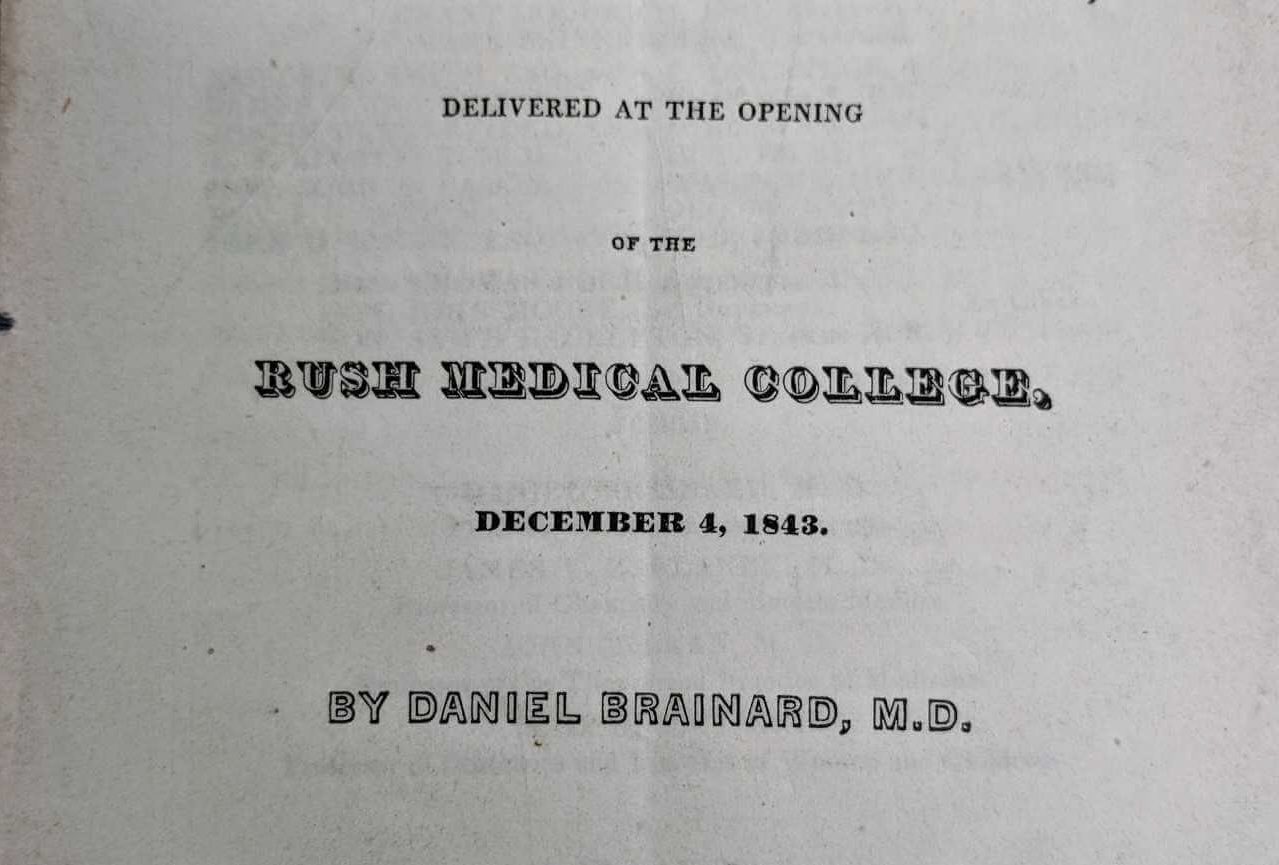
The official opening of Rush Medical College took place in 1843, marking a true breakthrough for Chicago and the entire American Midwest. At that time, there were almost no medical educational institutions in the region, and the need for qualified doctors was growing incredibly rapidly due to the city’s booming population and development. Daniel Brainard led the school as its first president and professor of surgery, combining administrative duties with active clinical practice. He firmly believed that medical education should be not only academic but also as practical as possible. At the time, many medical schools primarily focused on theoretical lectures, often lacking real clinical experience. Rush Medical College aimed to change this approach.
From its very first years, the school introduced courses in anatomy, physiology, surgery, and obstetrics, supplemented by practical sessions in Chicago hospitals. Special attention was given to surgical skills—Brainard considered them key to patient survival. The first class of students was small—about 22 people—but this did not prevent the school from quickly gaining a reputation. Graduates of Rush Medical College were highly competent, and within a few decades, the school became one of the largest and most influential medical educational institutions in the U.S. Rush Medical College attracted ambitious young physicians not only from Illinois but also from neighboring states, forming a new generation of doctors who became the driving force behind medical development in the region. Furthermore, the school contributed to raising treatment standards in local hospitals by implementing new methods and practices.
By the end of the 19th century, Rush Medical College was one of the largest medical educational institutions in the country. In the 20th century, it partnered with the University of Chicago, and since the 1970s, it became part of Rush University Medical Center. The institution has maintained its mission for over 180 years—to train physicians who possess the necessary knowledge.
Practice and Influence on Chicago Medicine’s Development
Daniel Brainard was not just an administrator and educator—he was also a distinguished surgeon whose skill and courage in performing complex operations laid the foundation for modern medicine in Chicago. His reputation quickly spread among locals and medical professionals. Brainard performed complex limb amputations, an extremely risky procedure in the mid-19th century due to the lack of modern antibiotics and effective pain relief. His success in such cases earned him widespread respect. Despite the limited resources and medical knowledge of the time, Brainard sought to introduce innovations in surgical practice, actively studying anatomy and clinical cases, which made his operations more effective. His work methods and attention to detail reduced the rate of complications after operations, which was crucial for patient survival during that period.
The founding of Rush Medical College not only filled a gap in the medical education system but also significantly raised the standard of medical services in Chicago itself. The first organized medical training courses became available to a wide range of medical professionals who had previously mostly learned independently or under the guidance of experienced mentors in scattered clinics. Under Brainard’s leadership, the city saw the emergence of the first clinical courses—a crucial innovation that combined theoretical knowledge with practical experience in hospitals. This contributed to systematizing the treatment process, disseminating effective medical technologies, and enhancing the qualifications of doctors. Furthermore, his activities stimulated the development of medical infrastructure in Chicago: the first hospitals, polyclinics, and specialized departments appeared. It was thanks to Brainard that the city was able to transform from an ordinary settlement into an important medical center, attracting specialists and patients from across the region.
Legacy
Daniel Brainard’s life was far too short, yet incredibly rich and significant for the development of medicine. In 1866, Brainard passed away at just 54 years old, leaving a profound mark on the hearts of his colleagues and the city’s residents. His death was a true blow to the medical community, which lost not only a talented surgeon but also an inspiring leader.
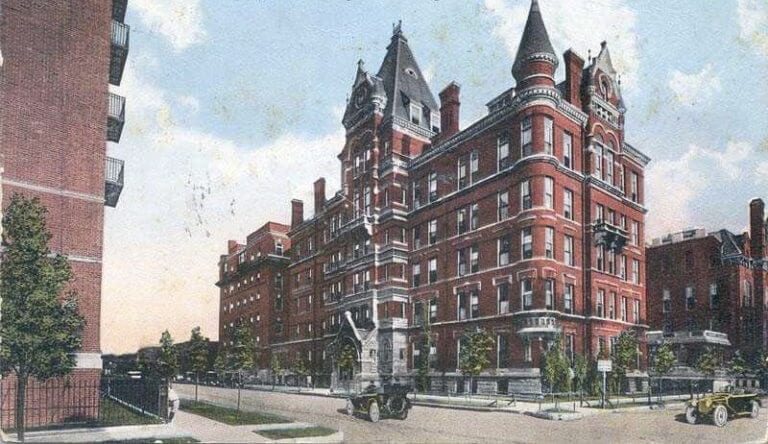
Nevertheless, Daniel Brainard managed to lay a strong foundation for the future development of medical education and practice in Chicago. The Rush Medical College he founded continued to evolve, expanding the horizons of knowledge and clinical research, becoming a leading medical educational institution in the region. Rush Medical College is an integral part of Rush University Medical Center—one of the leading medical universities and research centers in the U.S. His name and legacy live on in numerous training programs, scientific discoveries, and the high standards of medical care that guide modern generations of medical professionals. Daniel Brainard is remembered not only in the history of the medical school but also in the broader context of American medicine, where he remains a symbol of dedication, professionalism, and tireless work for the good of society.
Also, learn about the “patent king” – how the theoretical inventor Jerome Lemelson earned his fortune.