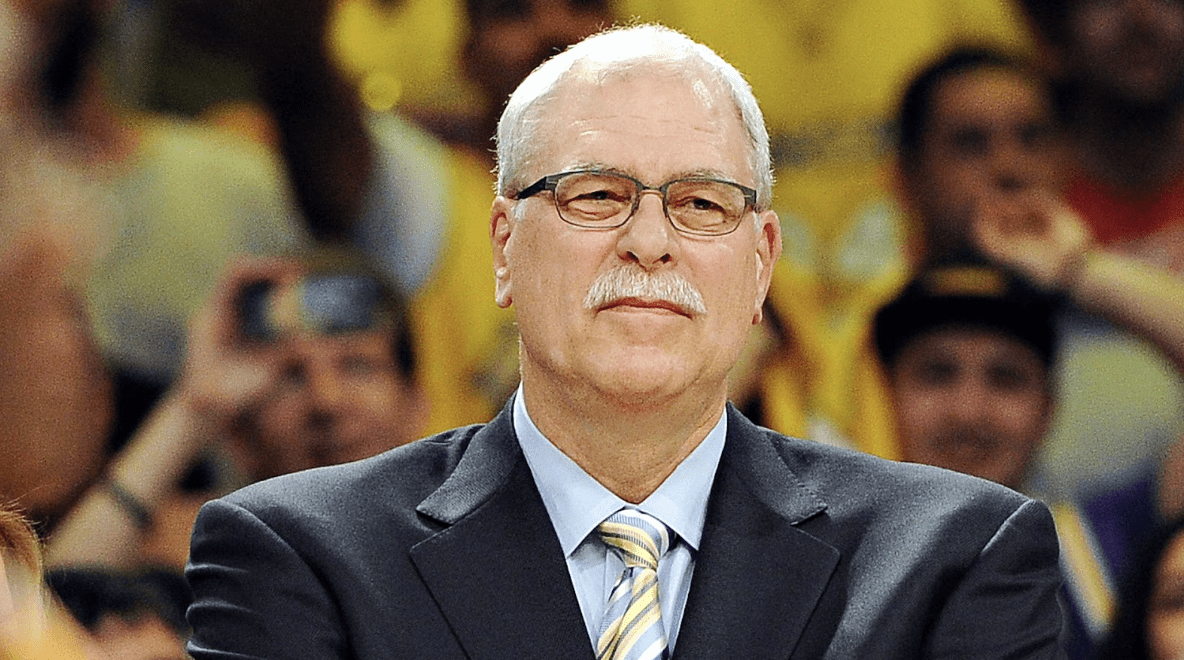

Phil Jackson is widely regarded as the most decorated coach in NBA history. No other strategist has managed to replicate the unprecedented success he achieved with the league’s most iconic franchises. From his beginnings as a gritty player to his transformation into a legendary mentor for NBA superstars, Jackson’s journey is a masterclass in leadership, as reported by ichicago.net.
A Strict Upbringing: Childhood in a Minister’s Home
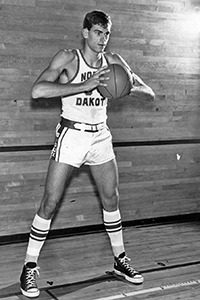
Born on September 17, 1945, in Deer Lodge, Montana, Phil Jackson was raised in an austere environment. His father, Charles, was a Pentecostal minister who enforced a strict household where television and dancing were forbidden. Phil and his two brothers found their only sanctuary in sports—the one pursuit their religious upbringing allowed them to embrace fully.
By high school, Jackson’s talent was undeniable. He led his basketball team to two state championships while also excelling in track and field, football, and baseball.
His athletic prowess eventually caught the eye of baseball scouts. However, Bill Fitch—representing the Atlanta Braves at the time—successfully recruited the young athlete to the University of North Dakota. There, Jackson shone on the hardwood, helping the Fighting Sioux reach the top tiers of the NCAA Division II tournament.
The New York Knicks Years
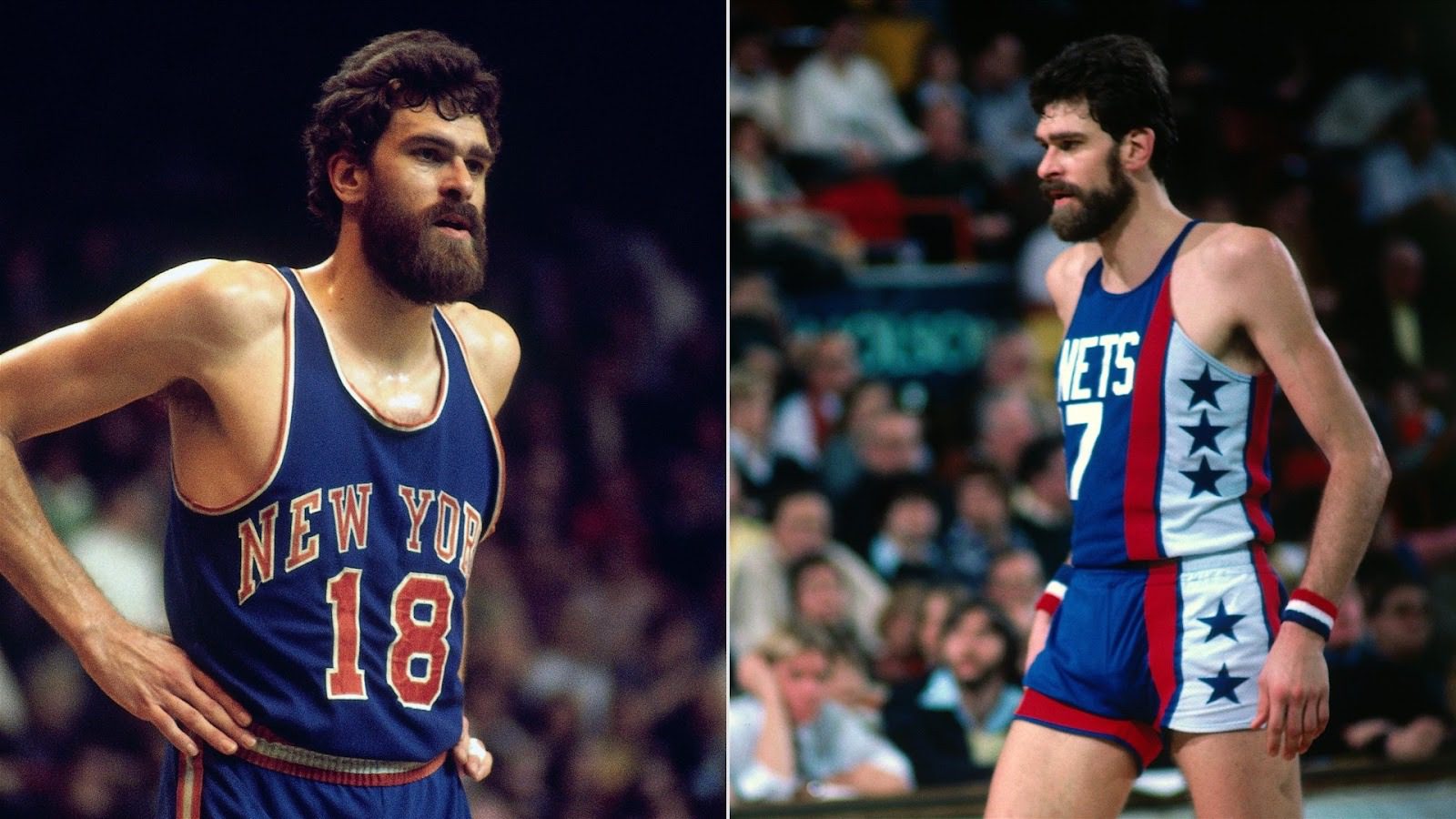
In 1967, Phil Jackson was drafted by the New York Knicks. While he wasn’t a high-volume scorer, he quickly earned a reputation for his relentless work ethic and hustle. Jackson became a fan favorite, known as one of the league’s most intelligent and popular players.
The Knicks secured an NBA title in 1970, though Jackson missed that championship run due to injury. He made up for it in 1973, playing a key role as the team reclaimed the throne by defeating their arch-rivals, the Los Angeles Lakers.
Jackson spent a total of ten seasons with the Knicks before hanging up his jersey to pursue a new path in basketball.
A Legendary Coaching Career
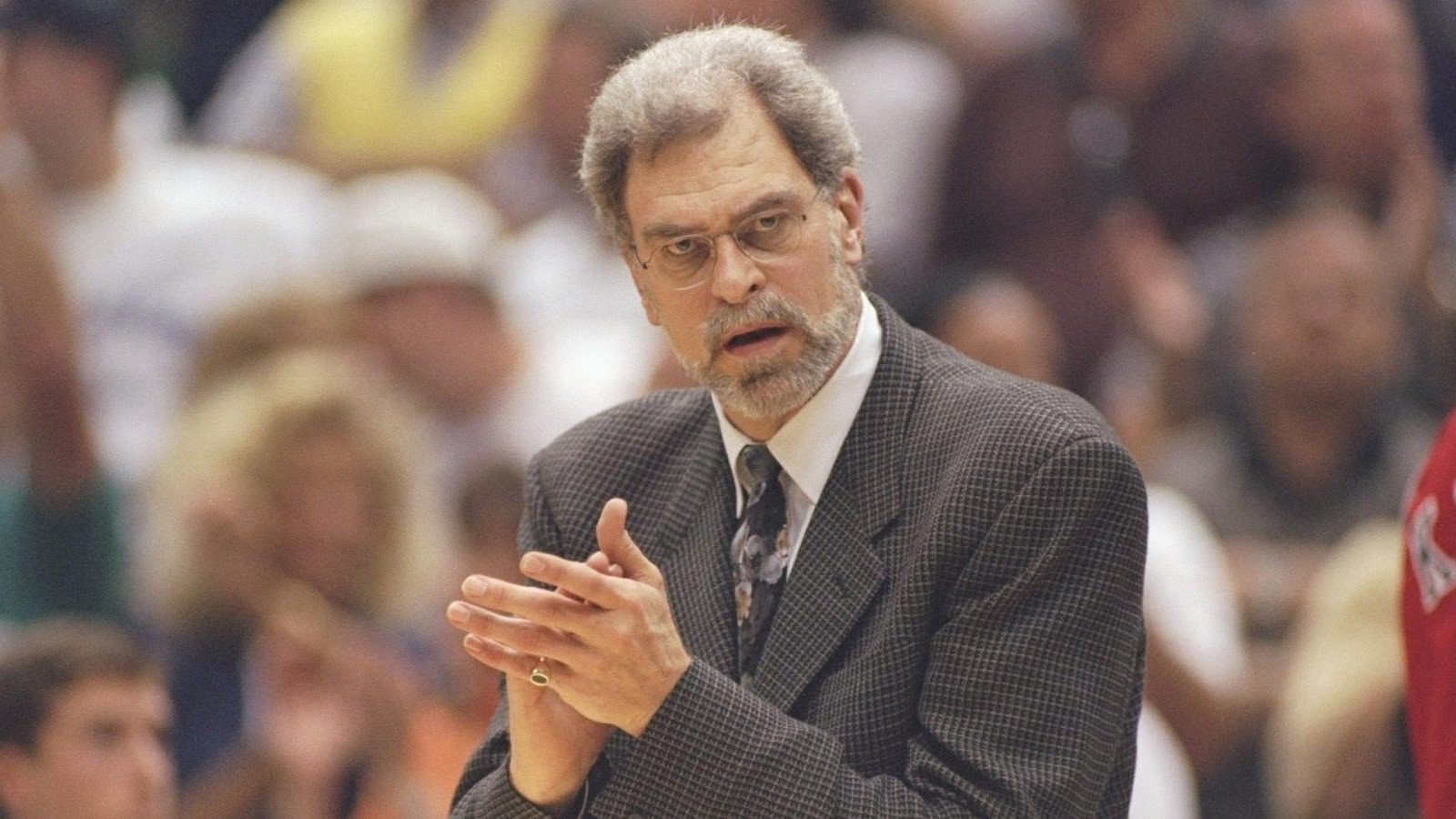
Jackson’s ascent to coaching greatness began as an assistant for the New Jersey Nets. After two seasons, he took the reins of the Albany Patroons, where he first experimented with the innovative leadership methods that would later become his trademark.
His ability to unify players into a cohesive unit paid off quickly. By his second season, Jackson led the Patroons to a Continental Basketball Association (CBA) championship title.
In 1987, the Chicago Bulls brought Jackson on as an assistant coach. Two years later, he was promoted to head coach of the soon-to-be legendary squad. Combining Michael Jordan’s sheer brilliance with Jackson’s unorthodox coaching style, the team captured its first NBA title in the 1990-1991 season.
During his nine-season tenure with the Chicago Bulls, Jackson led the franchise to six NBA championships. Despite his success, friction with General Manager Jerry Krause often boiled over. His final contract for the 1997-1998 season was only signed under the condition that it would be his last—even if the Bulls won it all. They did, marking the end of the “Last Dance” era.
After leaving Chicago in 1998, Jackson initially vowed to retire. However, after a year-long hiatus, he returned to lead the Los Angeles Lakers. The impact was immediate: the Lakers won the NBA title in 2000 and secured a historic “three-peat” over the next two years.
Jackson’s time in LA wasn’t without drama, particularly his rocky relationship with superstar Kobe Bryant. Despite internal conflicts, the team reached the 2004 NBA Finals, where they suffered a surprising loss to the Detroit Pistons—Jackson’s first defeat in a championship series.
Following a brief break, Jackson returned to the Lakers in 2005. He went on to win his 10th and 11th coaching titles in 2009 and 2010, cementing his status as the winningest coach in league history.
Jackson retired from coaching in 2011 and transitioned to an executive role as President of the New York Knicks in 2014. Unfortunately, his success on the sidelines didn’t translate to the front office. A series of questionable roster moves and high staff turnover led to the Knicks parting ways with him in 2017.
Since then, Jackson has stayed out of the spotlight, offering only occasional commentary on the league. In 2025, he voiced his frustration on social media regarding NBA games scheduled on Easter Sunday, arguing that such decisions show a lack of respect for family values.
In recent years, Jackson has focused on managing his health, particularly spinal stenosis. To maintain mobility and manage pain, the legendary coach has turned to yoga and various spiritual practices.
The “Zen Master” Method
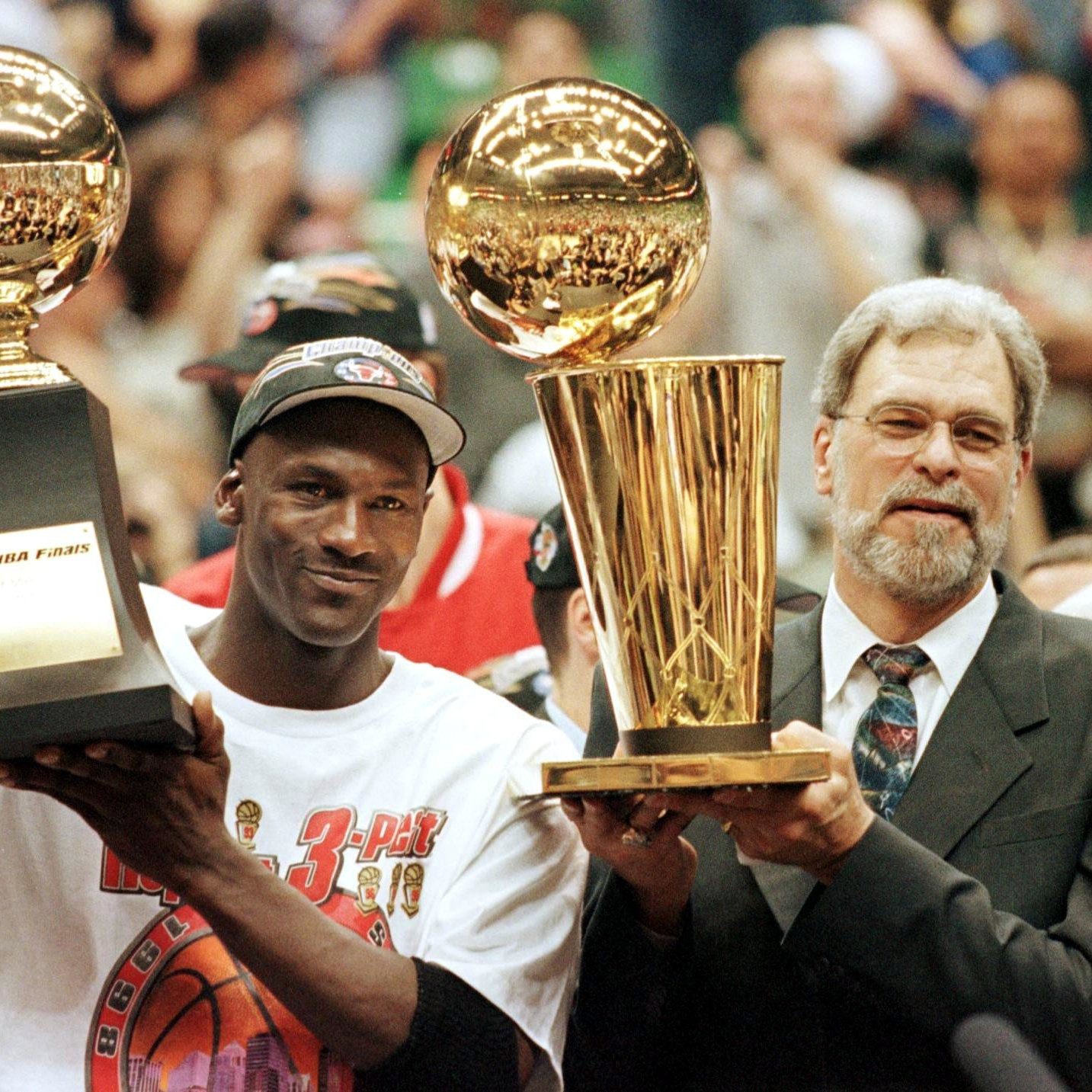
Jackson’s unparalleled success was built on a foundation of Eastern philosophy, earning him the famous nickname “The Zen Master.”
Influenced by his older brother, Jackson developed an early interest in Native American traditions. This later expanded into a deep study of Zen Buddhism and mindfulness. After retiring as a player, he even spent a sabbatical year in a Zen monastery and drew coaching inspiration from “The Tibetan Book of the Dead.”
He described his personal belief system as “Zen Christianity.” Jackson coached with the philosophy that a team must function as a single physical, mental, and spiritual entity, requiring players to surrender their individual egos for the good of the collective.
His approach centered on “disciplined freedom,” where players were encouraged to act on instinct, but only within the structural boundaries he established.
The Triangle Offense and Lasting Legacy
A hallmark of Jackson’s championship teams was the “Triangle Offense.” The system prioritized fluid movement and trust over a single dominant ball-handler. It required every player to read the defense and react in unison, creating a nearly unstoppable offensive rhythm.
Jackson’s revolutionary methods earned him numerous accolades, including the title of one of the “Top 10 Coaches in NBA History” and NBA Coach of the Year. He also frequently served as the head coach for the NBA All-Star Game.
Today, the psychological tools Jackson pioneered are used far beyond the basketball court, influencing track and field training and executive leadership programs worldwide.
Phil Jackson also shared his wisdom through several books, including “Eleven Rings: The Soul of Success,” “More Than a Game,” and “The Last Season: A Team in Search of Its Soul.”