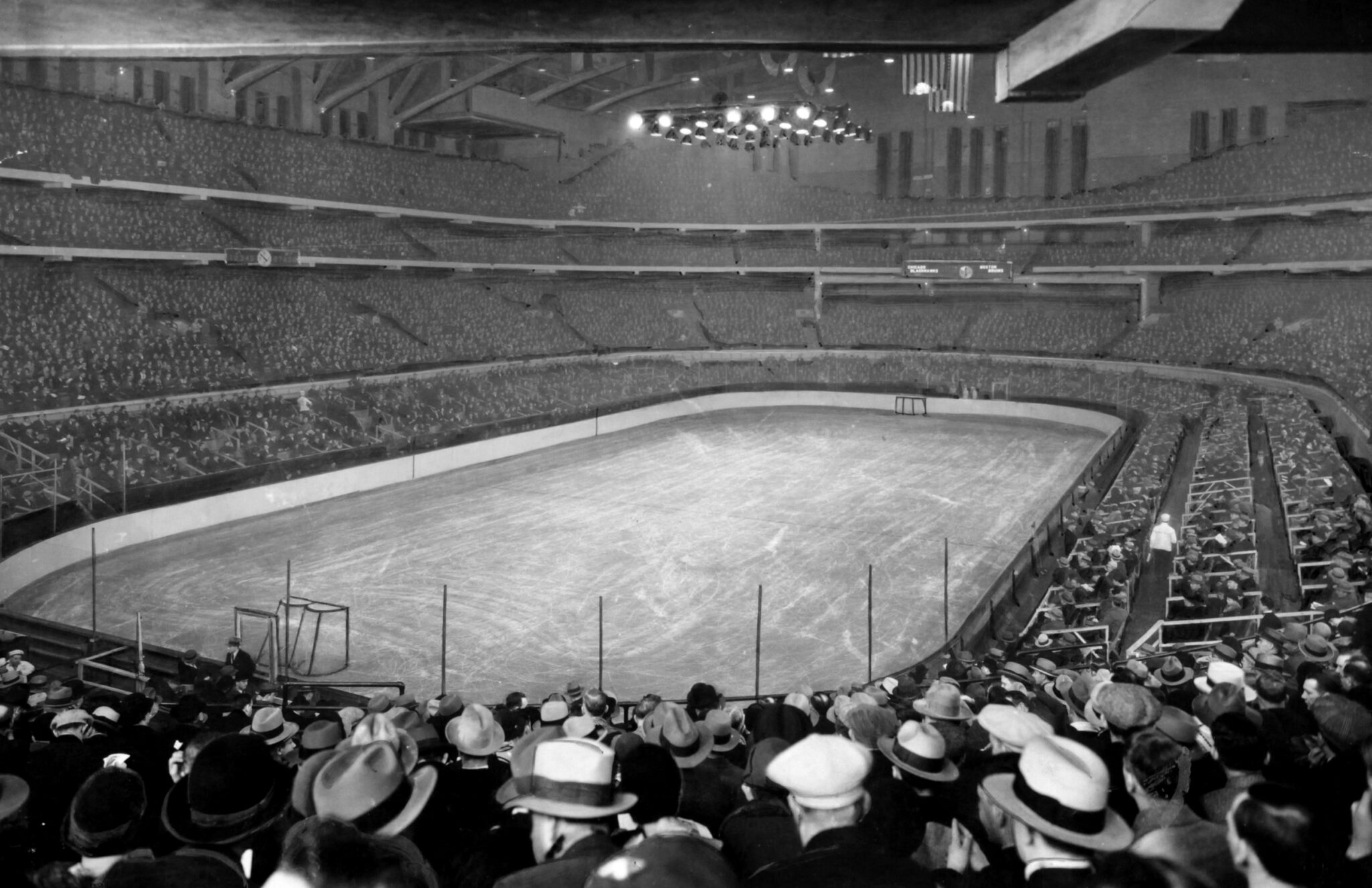
For 65 years, Chicago Stadium, located at 1800 West Madison Street, has served as the city’s main sports stadium. The construction of the complex cost $7 million. According to ichicago.net, this unique sports center opened in March 1929, and, initially, it hosted boxing matches.
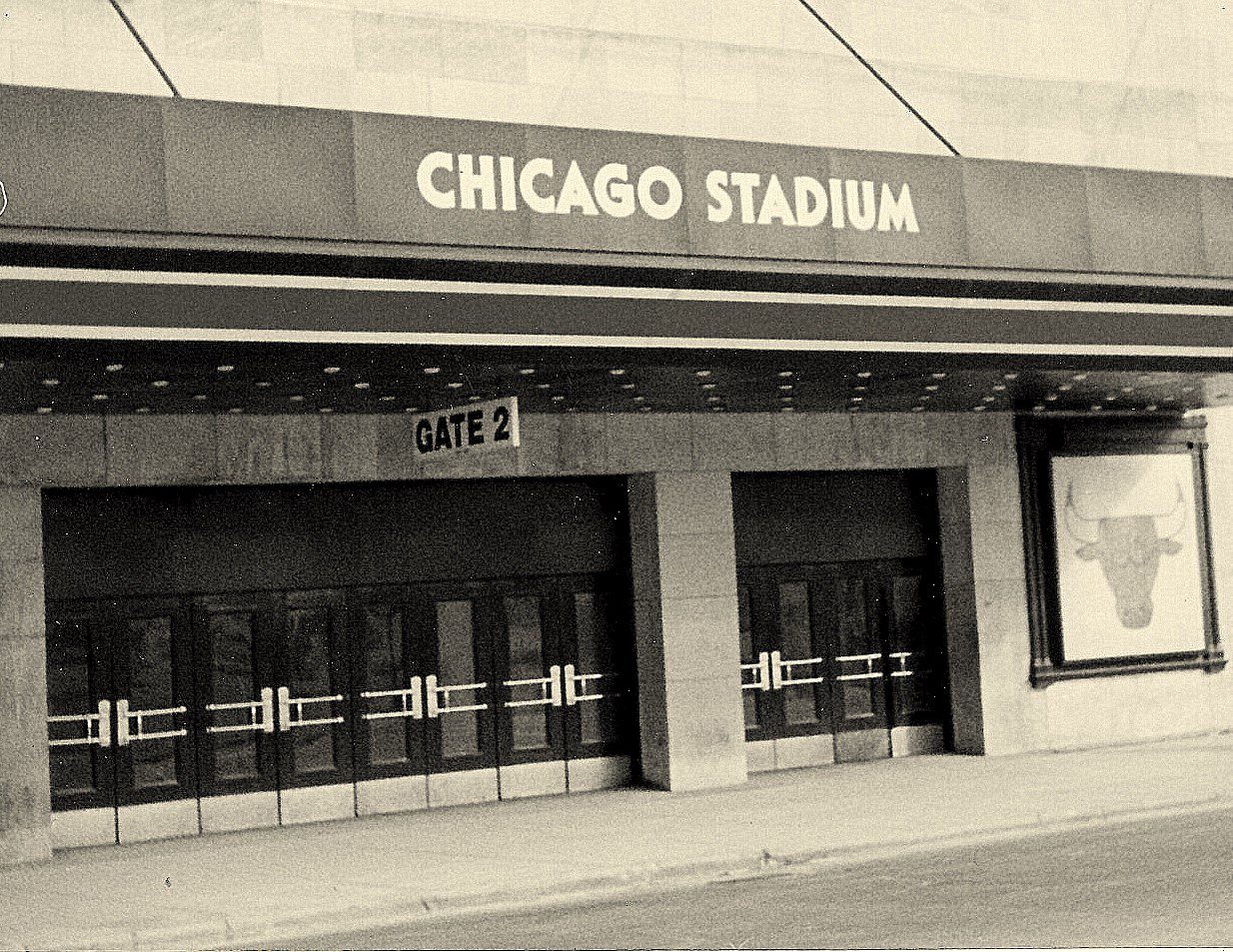
Constructed of steel supports, it became one of the largest arenas in Chicago, where large crowds gathered and hockey and basketball tournaments were held. Here, fans lined up at the iconic gate to see their idols. Furthermore, the stadium was a major venue for public gatherings, hosting political rallies and exhibitions for many years.
How did it all start?
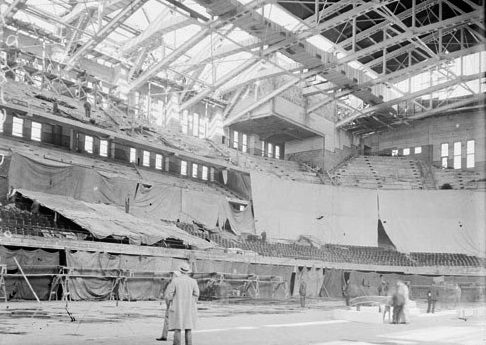
The stadium was designed by the project of one of the most well-known Chicago impresarios of the early 20th century, Paddy Harmon. In 1913, Harmon organized a bicycle race in Chicago and later joined the Riverview management team. In 1920, the man became interested in promoting boxing events, which were regularly held at the Coliseum Stadium. However, there was insufficient space for the audience, so Harmon decided to construct a large arena, similar to New York’s Madison Square Garden.
In 1926, he began actively looking for investors to build a sports arena in Chicago. Harmon envisioned a 20,000-seat arena, the largest in the country, costing at least $6 million to build. The search for investors was delayed, but it was possible to find them. After 6 months of construction, the stadium was ready for visitors.
Distinct features of the stadium
The stadium occupied a large area. By any standard, it was a large structure at the time. It could seat around 19,500 people, and when boxing events took place, there weren’t enough seats for the audience. Because of this, many had to sit on the floor. The main hall was a big circular seating area with many red-painted wooden chairs.
The roof was supported by twelve massive steel beams. There were three balconies in total. Each level of seating had its own entrance meant to keep visitors under control. Plenty of people sought to acquire cheap tickets but then relocated to the best seats.
The structure had an astonishing appearance, it was decorated with large electric signs that drew the attention of thousands of people like magnets. Near the roof, there were limestone bas-relief statues portraying athletes.
Sports matches at the stadium
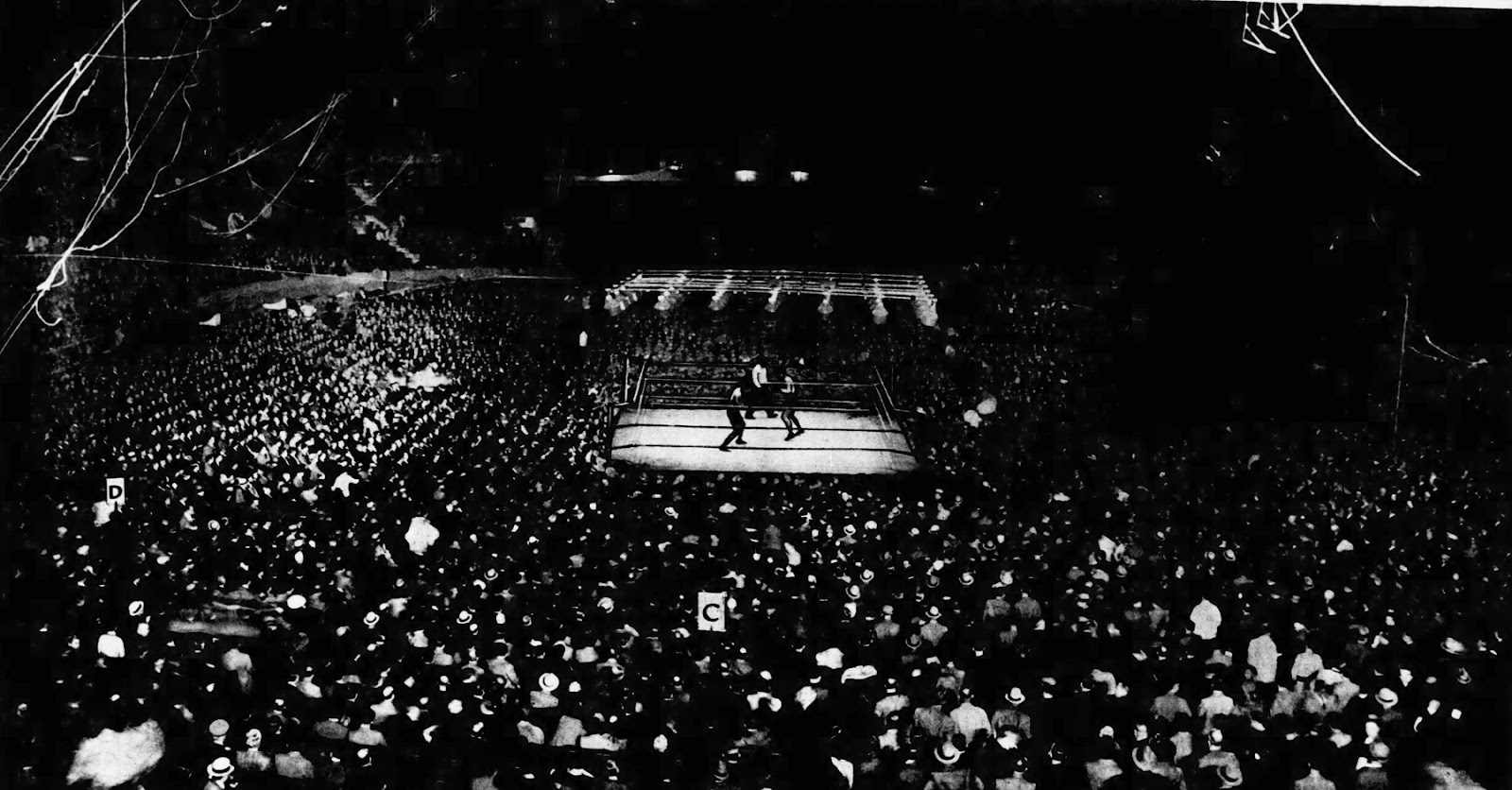

The opening was spectacular. It was then that Tommy Loughran and Mickey Walker faced off in a ten-round boxing match. They were watched by 14,554 spectators.
In 1936, the stadium hosted the United States Olympic boxing qualifiers. Hockey has been an equally significant part of the stadium’s history. The Chicago Blackhawks, a professional hockey team, first played at the stadium in 1929. Then it defeated the Pittsburgh team.
Over the course of the decade, public interest in the stadium increased. Well-known sports teams began playing matches here.
For the first time in 1936, an ice show was held at the stadium. It was attended by Olympic champion Sonia Henie, who immediately won the audience’s hearts, which led to the ice show becoming an annual event.
In addition, Ringling Bros. and Barnum & Bailey Circus frequently performed here. When the circus visited the city, families flocked to the stadium.
In 1940, student basketball gained popularity. Teams from local universities competed in the arena. Other sporting events hosted in the stadium over the years included wrestling matches, derbies and rodeos.
Despite the fact that the stadium was the premier sports center, it was considered outdated by 1980. In the spring of 1991, the owners of the Blackhawks and Bulls decided to construct a new state-of-the-art arena worth 160 million dollars.
Soon after, the Chicago City Council approved the project to build a new arena, and in 1992, preparatory work began on the construction of a new stadium, which later became known as the United Center. In 1995, the old arena was demolished.