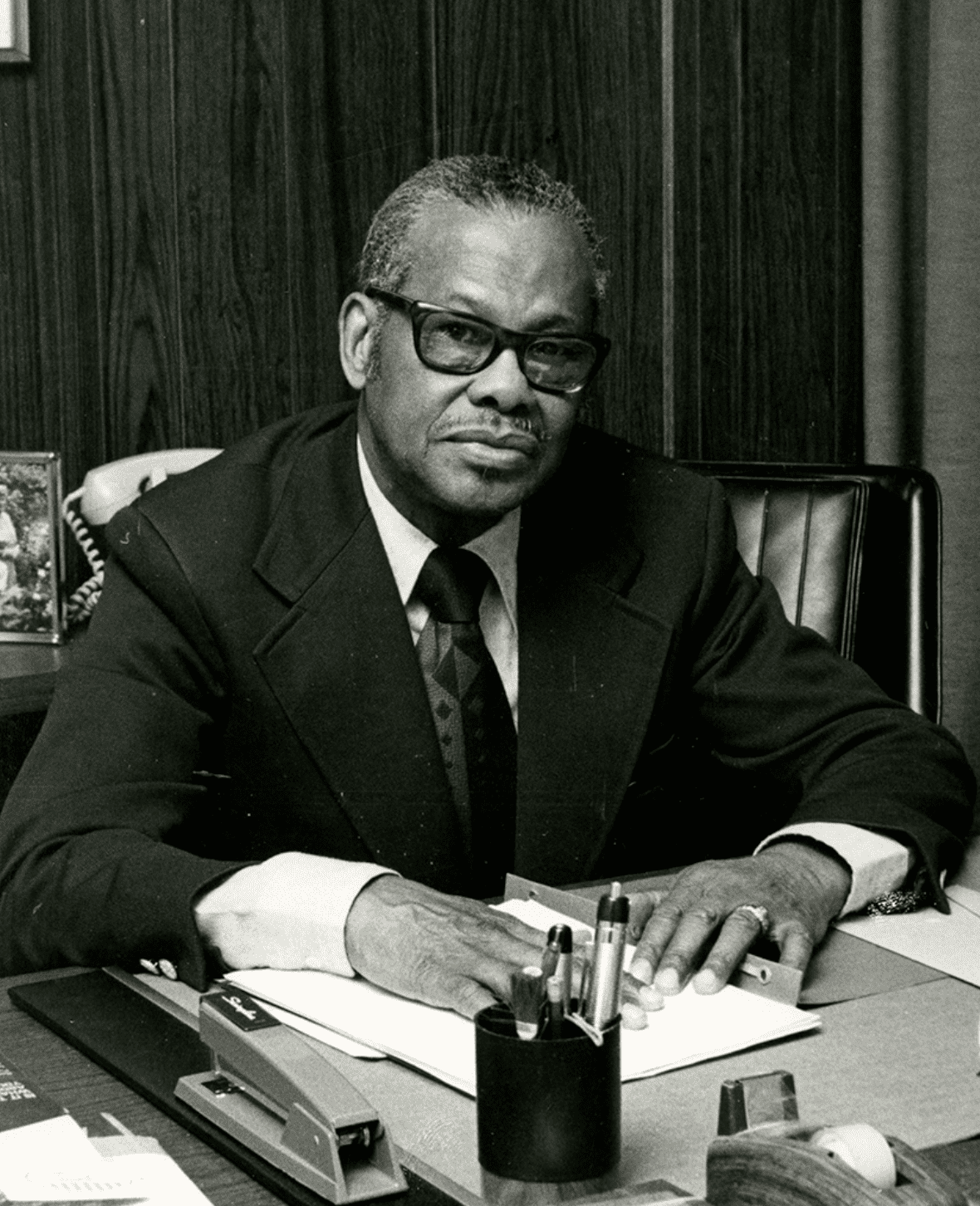

Leonidas Berry stands as one of the most influential figures in 20th-century American medicine. His life’s work seamlessly blended scientific discovery, clinical practice, and a fierce dedication to civil rights. He made history as a pioneer in gastroscopy and endoscopy, an inventor of medical instruments, an educator, and a researcher. At the same time, he was a tireless crusader against racial discrimination within the US healthcare system. Spanning over six decades and deeply rooted in Chicago, his career serves as a powerful example of how medicine can be an instrument not just for healing, but for social change. Read more on ichicago.
Early Life and Background
Leonidas Berry was born on July 20, 1902, in North Carolina, into a family with deep historical roots. The son of an African Methodist Episcopal Church minister and a schoolteacher, he was raised with a strong foundation of religious, educational, and civic values. These principles would ultimately define his life’s path. His ancestors were among the African Americans who fought for freedom during the US Civil War. This proud heritage profoundly shaped his worldview and his future activism.
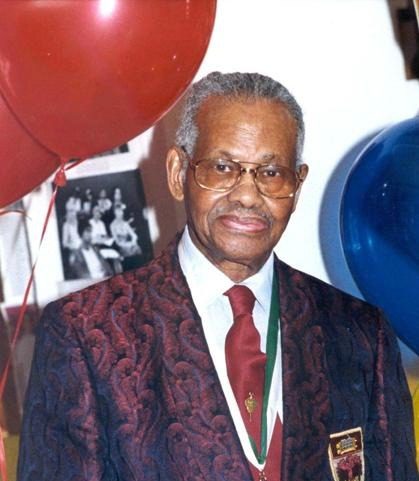
After graduating from Wilberforce University in 1924, Berry moved to Chicago, earning a bachelor’s degree from the University of Chicago. He went on to receive his medical degree from Rush Medical College, followed by a master’s degree in pathology from the University of Illinois Medical School in 1933. This extensive, multi-layered education laid the groundwork for his future scientific breakthroughs.
Medical Career and Breakthroughs
After earning his medical degree, Berry worked in hospitals across Washington, D.C., and Chicago, specializing in gastroenterology. It was during this time that he began the research that would establish him as a pioneer in endoscopy. Following an internship at Freedmen’s Hospital in Washington, Berry started his residency at Cook County Hospital in Chicago, making history as its first African American intern. There, he focused heavily on internal medicine and gastroenterology.
His career rapidly gained momentum at Provident Hospital, the first African American-owned and operated hospital in the United States. By the mid-1930s, he was leading its gastroenterology department and eventually became the head of the medical department. Concurrently, he worked at Michael Reese Hospital, where he broke another barrier by becoming the first African American physician on staff.
A pivotal moment in his career was his collaboration with Rudolf Schindler, the inventor of the gastroscope. Using this tool, Berry studied the effects of alcohol on the stomach lining—a major leap forward for gastroenterology. In 1941, he made history again by becoming the first African American to present a scientific paper to the American Medical Association (AMA).
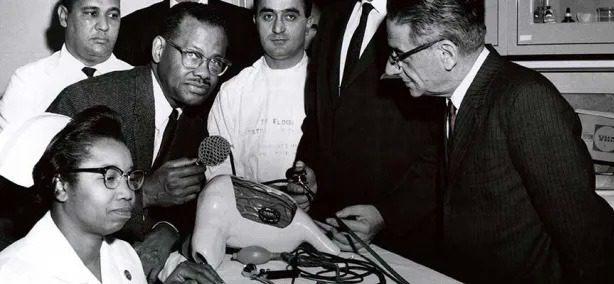
In 1955, Berry co-developed a revolutionary medical instrument known as the Eder-Berry gastrobiopsy-scope. It was the first device that allowed doctors to perform targeted stomach tissue biopsies under direct visual control, drastically improving diagnostic accuracy. This innovation marked a massive breakthrough in the diagnosis of digestive system diseases.
Throughout his career, Berry published nearly a hundred scientific papers, spoke at international conferences, and fundamentally shaped modern gastroenterology. In 1974, he published the landmark book “Gastrointestinal Pan-Endoscopy,” which quickly became an authoritative resource for physicians worldwide.
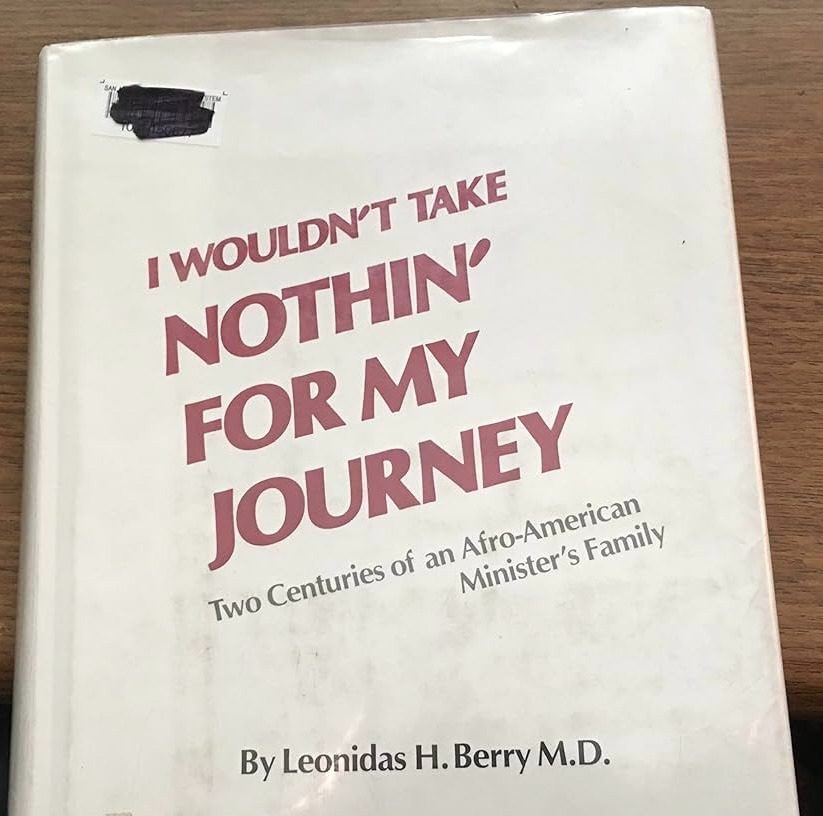
Beyond his clinical practice, Berry was a dedicated historian of his own lineage. In 1981, he published “I Wouldn’t Take Nothin’ for My Journey,” a book tracing his African American family’s history over two centuries.
A crucial part of Berry’s legacy is his archival collection, currently housed at the National Library of Medicine. The collection includes correspondence, scientific manuscripts, photographs, and documents spanning decades of his professional and civic life. Today, researchers of medical and civil rights history actively use these materials. They reflect not only the evolution of gastroenterology but also the transformation of the American healthcare system through the lens of the struggle for equality.
Despite his international acclaim, Berry endured racial discrimination for much of his career. At Chicago’s Michael Reese Hospital, he was denied full attending status for over 17 years simply because of the color of his skin, despite being highly respected in the medical community. It wasn’t until 1963 that he was officially appointed as an attending physician. This prolonged injustice became a turning point in his life, fueling his drive to fight for equal rights in medicine.
Activism and Civil Rights
Berry firmly believed that doctors could not simply stand on the sidelines of social issues. Throughout the 1950s, he fiercely opposed racial segregation in healthcare facilities. In 1958, taking a principled stand, he boycotted a major conference due to its segregationist policies and openly called on the medical community to embrace change.
From 1965 to 1966, he served as the president of the National Medical Association (NMA), the premier organization for African American physicians. In this role, he spearheaded the integration of medical societies. His efforts were instrumental in pushing the American Medical Association to officially abandon its racially discriminatory policies by the late 1960s. Berry also played a key role in implementing reforms following the passage of the Civil Rights Act of 1964 and the introduction of Medicare, constantly striving to ensure equal access to healthcare for all.
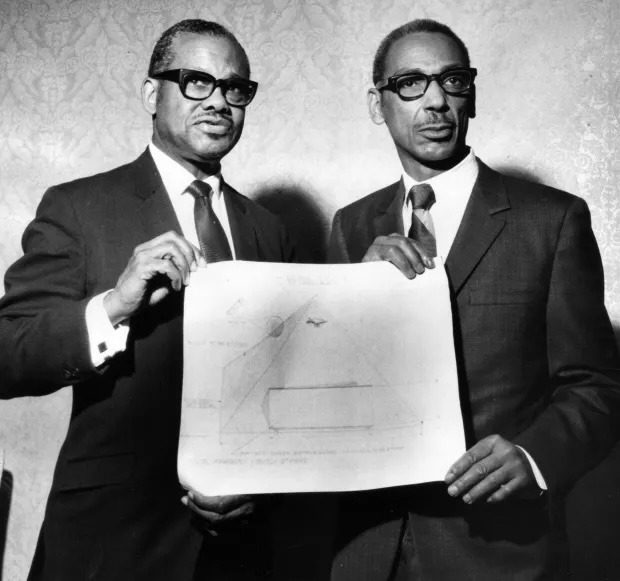
One of his most impactful social initiatives was the “Berry Plan,” a medical counseling program designed to help young people battling drug addiction. It established clinics that focused on treatment and rehabilitation rather than punishment. Another groundbreaking project was the “Flying Black Medics.” In 1970, a team of doctors led by Berry traveled to Cairo, Illinois, to provide free medical care to underserved residents. Amidst intense racial unrest in the city, the team delivered vital healthcare, educational lectures, and community support. This innovative approach to mobile medicine laid the groundwork for modern medical outreach missions.
Awards and Legacy
In recognition of his tremendous contributions to medicine and society, Berry received numerous prestigious honors. These included the Rudolf Schindler Award from the American Society for Gastrointestinal Endoscopy, top honors from the National Medical Association, and various other professional and civic accolades. To carry on his mission, the Leonidas H. Berry Society for Digestive Diseases was established, uniting specialists to advance research and education in gastroenterology.
Leonidas Berry passed away in Chicago on December 4, 1995, at the age of 93. His funeral drew a massive crowd of physicians, scientists, and civil rights leaders, a powerful testament to the deep respect he commanded.
Leonidas Berry was far more than just a doctor—he was a symbol of where science, ethics, and civic duty intersect. His contributions to the advancement of gastroenterology, the fight for medical equality, and the creation of new public health models remain deeply relevant today. His life proves that a physician’s true impact is measured not only by the lives they save but by the lasting changes they bring to society.