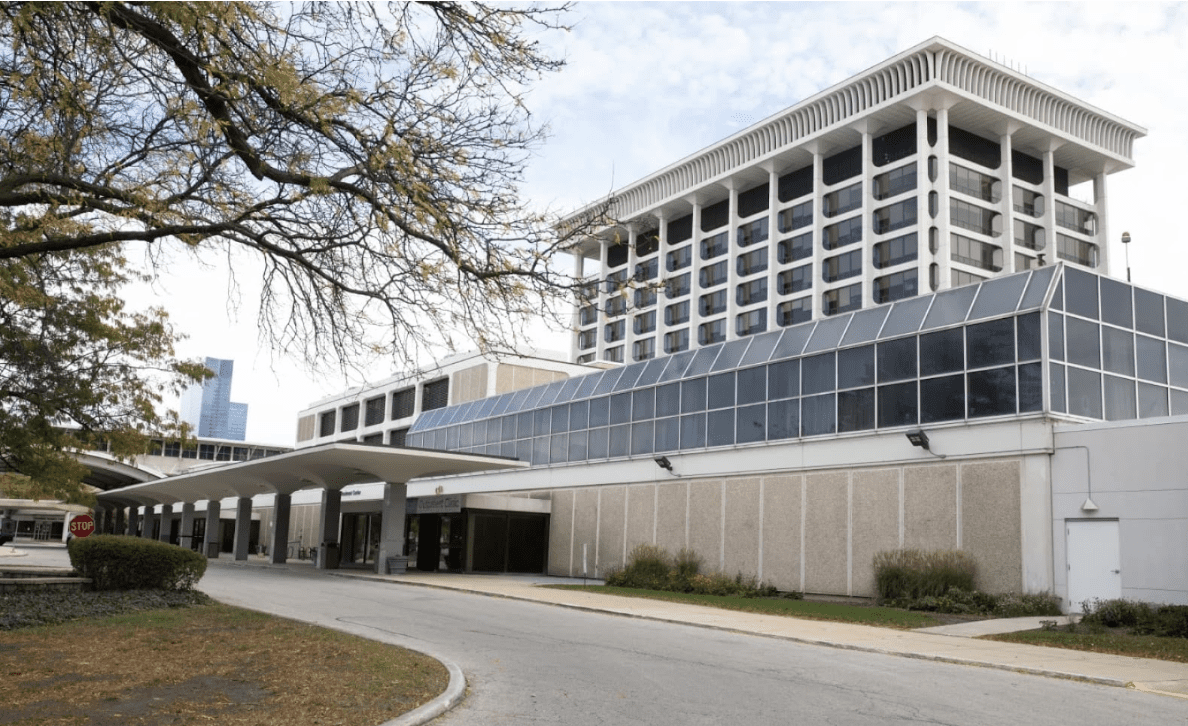

One of the oldest and most renowned medical institutions in the United States, with a rich history and significant contributions to the development of healthcare. Founded in 1852, the hospital initially emerged as a charitable initiative by Catholic nuns to provide medical care to the most vulnerable segments of the population. Also, learn about the genesis of psychiatry in Chicago. More on ichicago.
Founding of the Hospital
Mercy Hospital was founded in 1852 by the Sisters of Mercy, a Catholic congregation who arrived in the United States from Ireland. At that time, America was experiencing rapid population growth, especially in cities where there was a severe lack of quality medical care. Under these circumstances, the Sisters of Mercy set out not just to treat physical ailments but also to provide spiritual support to patients, which was especially important in an era when medicine was just beginning to develop.
Their approach differed from traditional hospitals of the time—Mercy Hospital became a space where humanity, care, and respect for each individual were valued. From the very beginning, the hospital was open to everyone: regardless of race, creed, or social status. This was a revolutionary step in the mid-19th century, when discrimination was a widespread practice. The Sisters of Mercy not only provided medical care but also actively assisted poor families, the homeless, and immigrants, creating an atmosphere of support and hope. This humanistic approach quickly earned the trust of the local community, and Mercy Hospital became the first true hospital operating on principles of mercy and selfless help. Its founding marked the beginning of a new era in healthcare history, combining medicine and spirituality, and serving as an example for subsequent charitable medical initiatives across the country.
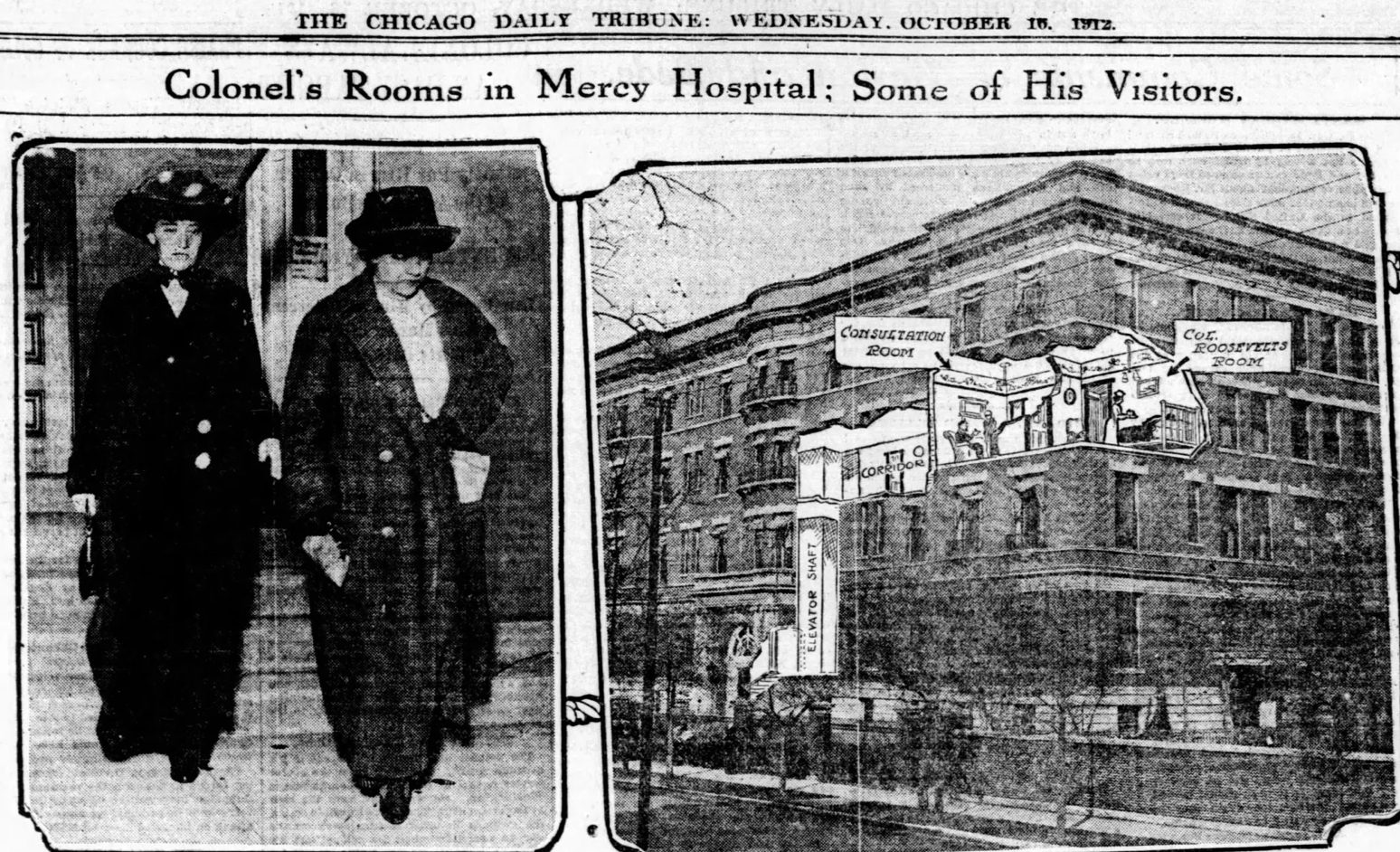
Development and Expansion
For over a century, Mercy Hospital continuously developed, responding to community needs and medical innovations of its time. In the second half of the 19th and early 20th centuries, the hospital significantly expanded its infrastructure—new departments were opened, including surgical, obstetric, pediatric, and intensive care. This allowed for comprehensive medical care for children, women, and adult patients, making Mercy one of the leading medical institutions in the region.
An important stage was the development of educational activities. The hospital closely cooperated with medical schools and universities, becoming a base for practical training of medical students and the preparation of qualified nurses. Thanks to this, Mercy Hospital became a center for training highly qualified personnel who later worked throughout Chicago and other regions.
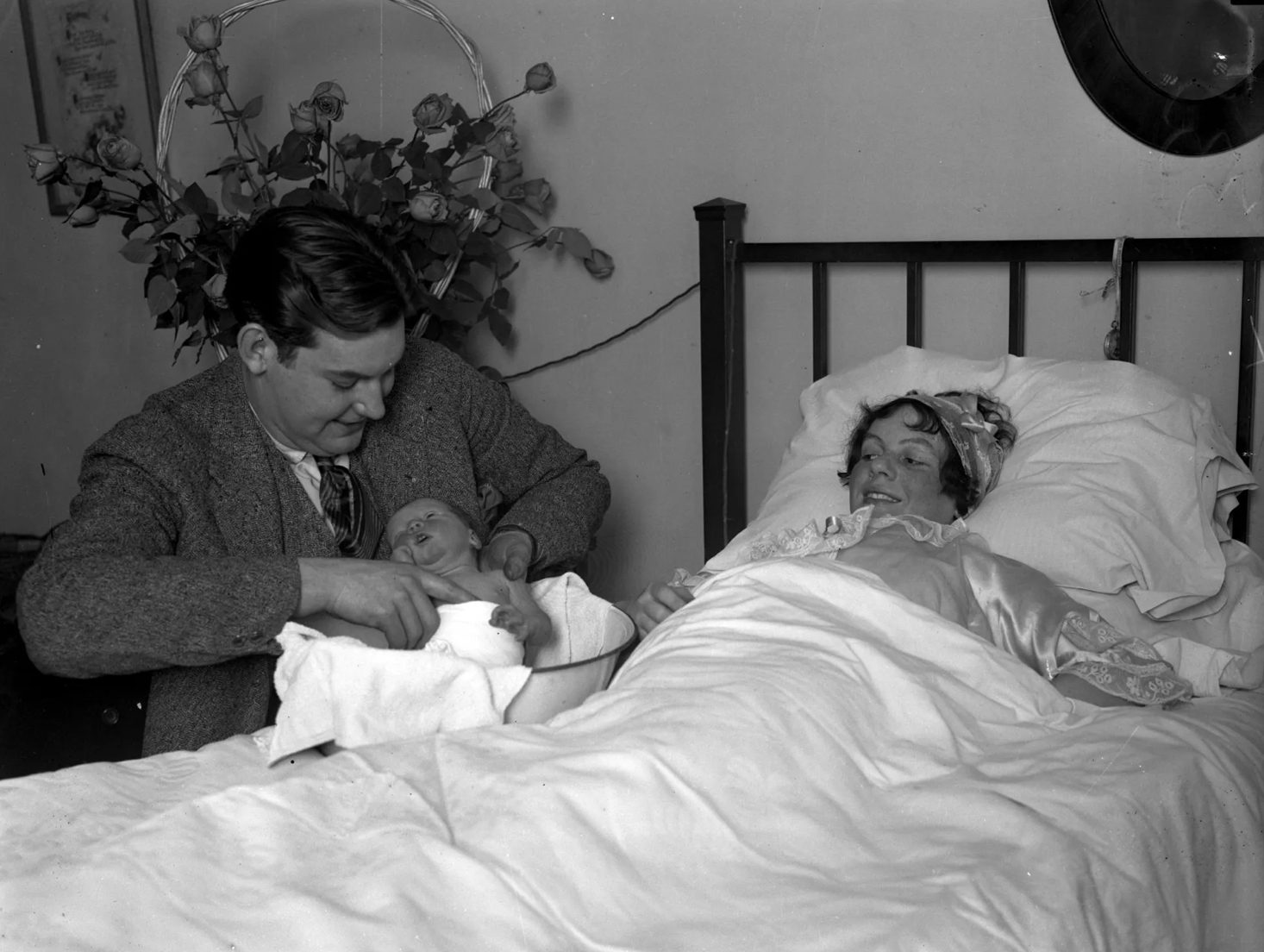
In the 20th century, the hospital actively implemented new technologies and treatment methods—from the first use of anesthesia to modern surgical techniques. It became a pioneer in performing complex operations, as well as in the development of obstetrics, which saved thousands of lives of mothers and newborns. Significant attention was paid to pediatrics, particularly the prevention of childhood diseases and vaccination. Thanks to these changes, Mercy Hospital not only maintained its reputation as a hospital with deep traditions of mercy but also transformed into a modern medical center that combines innovation, professionalism, and patient care. This development laid the foundation for the hospital’s continued success and growth in the 21st century.
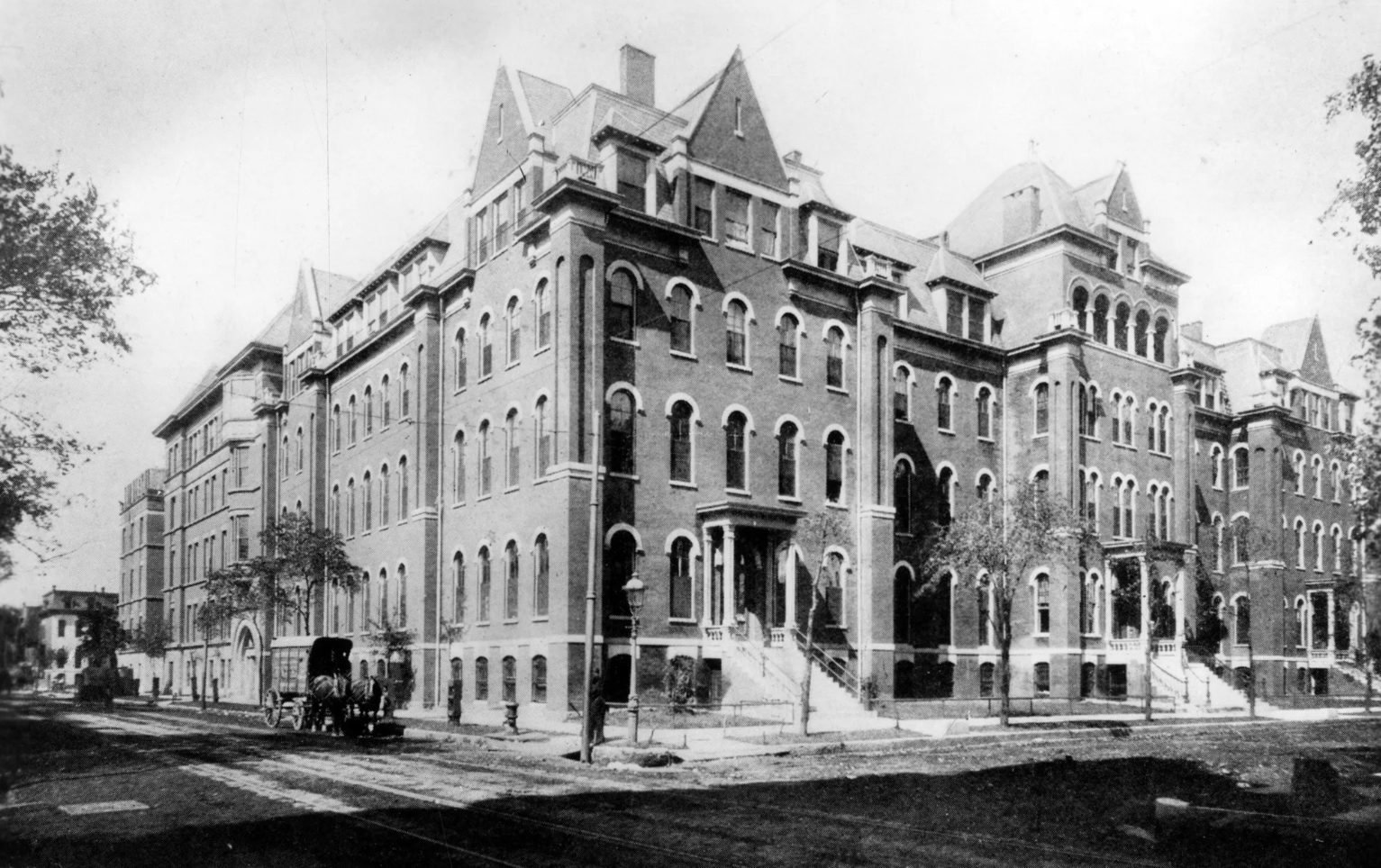
Challenges and Adaptation
Throughout its centuries-long history, Mercy Hospital has faced numerous challenges that threatened its functioning and development. Epidemics of infectious diseases, such as typhus, Spanish flu, and later, HIV/AIDS, required rapid mobilization of resources and the implementation of new treatment and prevention methods. The hospital repeatedly became a center for combating epidemics, saving thousands of lives and providing medical care to the most vulnerable segments of the population.
Economic crises, particularly the Great Depression of the 1930s, seriously impacted the financial stability of the institution. However, thanks to community support, philanthropists, and internal organization, Mercy Hospital managed to maintain a high level of services and prevented the closure of important departments. Wars, including World War I and II, required the reorientation of resources to treat wounded soldiers, which posed new challenges for staff and administration.
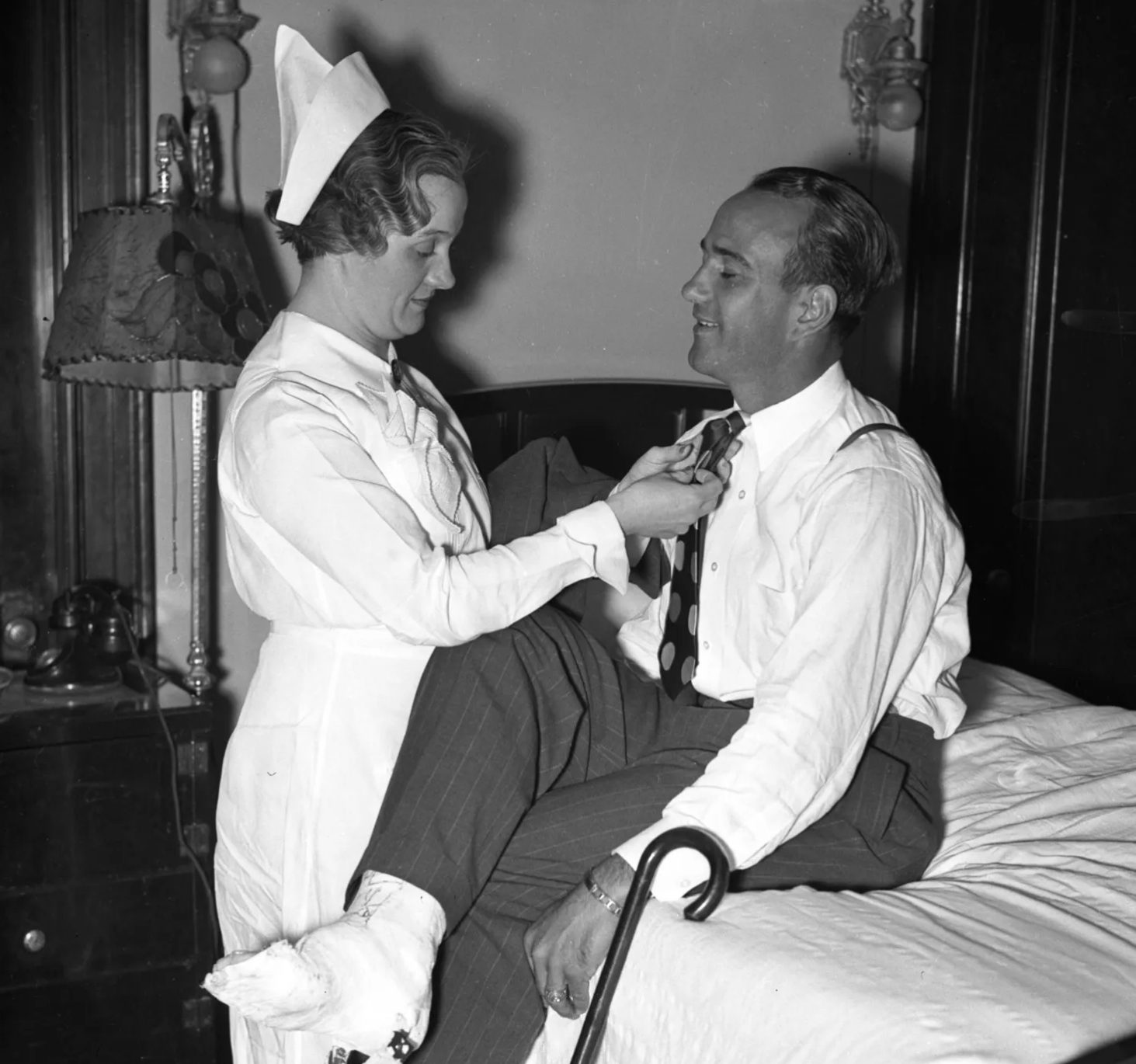
As the healthcare system in the USA developed, the hospital successfully adapted to new standards, reforms, and legislative changes. It implemented modern technologies—from electronic medical records to telemedicine, while maintaining an emphasis on individualized patient care and the compassion instilled by its founders. This balance between innovation and humanism became the basis of long-term trust from patients and the community. Mercy Hospital not only survived under difficult conditions but also continued to develop, asserting its status as one of the most important medical institutions in the region and a symbol of mercy and professionalism.
Mercy Hospital is actively involved in the local community—it conducts free medical examinations, educational seminars on disease prevention, and health support programs for vulnerable populations, including low-income individuals. The hospital collaborates with leading medical educational institutions to train young specialists, organizes clinical internships and scientific projects, which helps to implement the latest achievements in medicine into daily practice. Mercy Hospital is known for its patient-centered approach: multidisciplinary teams of doctors work here, providing an individualized approach to each case, ensuring comprehensive care—from diagnosis to rehabilitation.
Modern Era
In the 21st century, Mercy Hospital is one of the leading multidisciplinary medical centers, successfully combining many years of experience with advanced treatment technologies. The hospital is equipped with modern diagnostic and therapeutic equipment, allowing for high-precision diagnosis and the application of innovative methods, including robotic surgery and minimally invasive interventions. The main areas of activity include cardiology, oncology, neurosurgery, orthopedics, obstetrics and gynecology, pediatrics, and rehabilitation. Mercy Hospital actively develops support programs for chronically ill patients, offering individualized treatment and rehabilitation plans that improve patients’ quality of life. Great attention is also paid to educational activities: numerous training programs for doctors, nurses, and young specialists are conducted here, and scientific research is carried out in partnership with universities and research centers.
A special source of pride for Mercy Hospital is its dedication to the humanistic values laid down by its founders—the Sisters of Mercy. The hospital maintains a spirit of care for every patient, regardless of social status, creed, or financial capabilities, making medicine accessible and high-quality for all. This makes Mercy Hospital not only a modern medical center but also a symbol of reliability, compassion, and professionalism in healthcare.