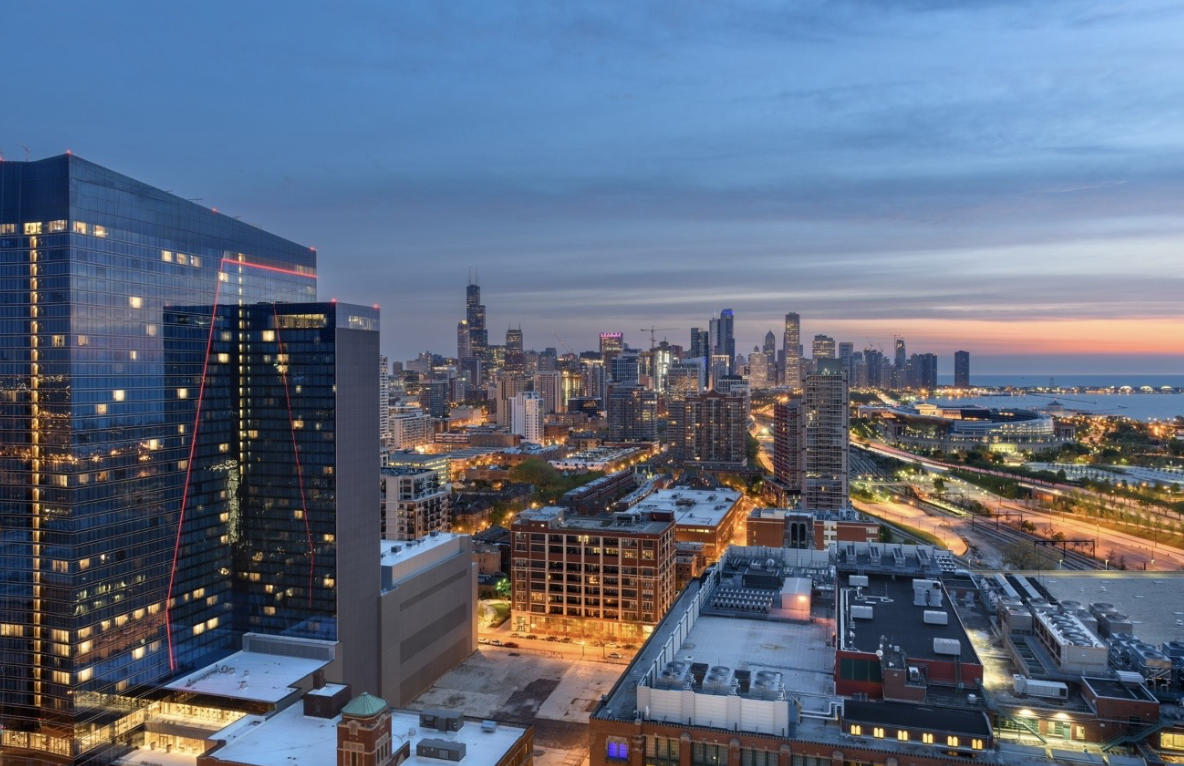

Bronzeville is one of the most celebrated historic neighborhoods in Chicago, forever etched into American history as an epicenter of African American culture, entrepreneurship, music, and civic life. During the Great Migration in the early 20th century, thousands of Black Americans journeyed here in search of a better future, building a self-sustaining economic and creative powerhouse. The district earned the title of the “Black Metropolis” thanks to its thriving infrastructure, bustling businesses, jazz clubs, theaters, and visionary leaders whose influence reached far across the nation. In this article on ichicago.net, we explore the history of Bronzeville, its pivotal role in the Great Migration, the rise of its legendary jazz scene, iconic architectural landmarks, and the trailblazers who forged its cultural legacy, as well as modern initiatives driving its revitalization and heritage preservation.
The Great Migration and the Rise of Chicago’s “Black Metropolis”
The Great Migration began in 1916 as African Americans left the Jim Crow South en masse, seeking employment opportunities and freedom from systemic racial oppression. Yet moving North did not guarantee equality; newcomers were met with pervasive discrimination and segregation. In Chicago, Black residents were largely confined to the so-called “Black Belt”—a geographically restricted corridor of overcrowded, aging tenements where rents often exceeded those in white neighborhoods.
Despite these barriers, the residents of Bronzeville pooled their talents and resources to build an independent, thriving community. Businesses, cultural centers, and civic institutions sprang up across the area, creating a self-sufficient social and economic ecosystem.
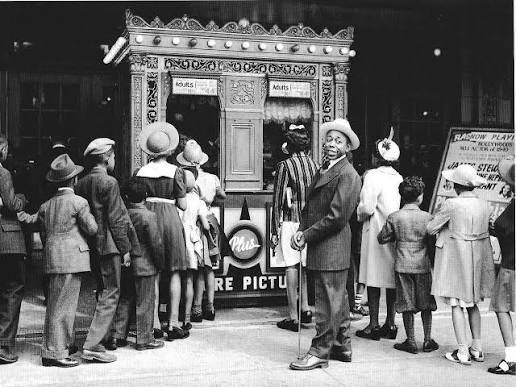
Over time, Bronzeville’s influence expanded well beyond Chicago, rivaling the artistic and social impact of New York’s Harlem Renaissance.
The moniker “Black Metropolis” was widely popularized following the landmark 1945 sociological study of the same name. The name “Bronzeville” itself dates back to 1922, coined by an editor at the Chicago Bee. It is also tied to Chicago alderman Louis Anderson, who built a stately home at 3800 South Calumet Avenue and named it Bronzeville in tribute to the warm, brown skin tone of the community’s residents.
The Jazz Age and the Bronzeville Renaissance
Throughout the 1920s, 30s, and 40s, Bronzeville pulsed with the rhythm of the Jazz Age. Pioneering figures like King Oliver’s Creole Jazz Band featuring a young Louis Armstrong, Jelly Roll Morton, and Tom Brown’s Dixieland Band electrified the city with their innovative sounds. South Side hotspots such as Lincoln Gardens, The Sunset Cafe, and the Apex Club drew eager crowds, turning the stretch along State Street from 31st to 39th Street into a nightlife hub.
A popular local saying captured the era perfectly:
“Jazz was born in New Orleans, but it grew up in Chicago—and Bronzeville was where it came of age.”
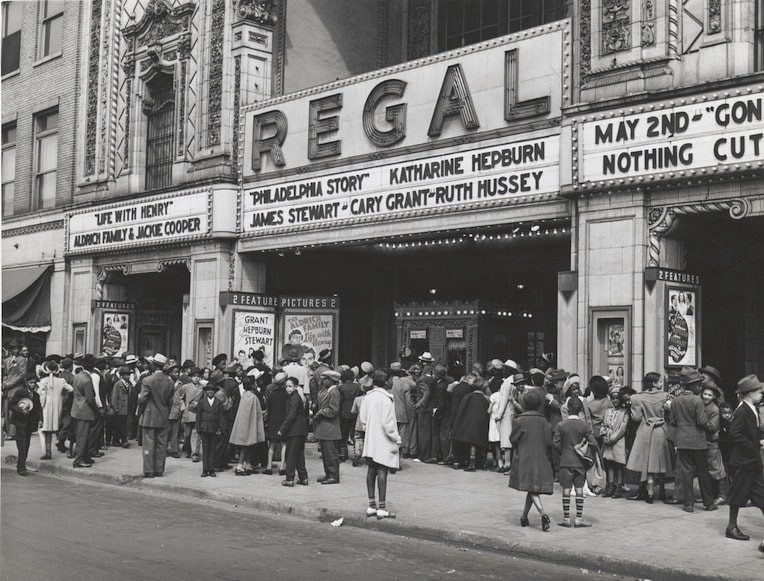
The legendary Regal Theater, opened in the late 1920s, served as a premier launchpad and showcase for the country’s leading entertainers and musicians.
Bronzeville also served as an incubator for modern gospel and electric blues. The neighborhood nurtured a luminous roster of innovators, intellectuals, and artists:
- Musicians:
Louis Armstrong, Nat “King” Cole, Sam Cooke, Dinah Washington, Quincy Jones, Herbie Hancock, and Lou Rawls.
- Gospel icons:
Mahalia Jackson and Thomas A. Dorsey.
- Writers and civil rights leaders:
Pulitzer Prize-winning poet Gwendolyn Brooks, author Richard Wright, and crusading journalist and activist Ida B. Wells.
- Athletes and pioneers:
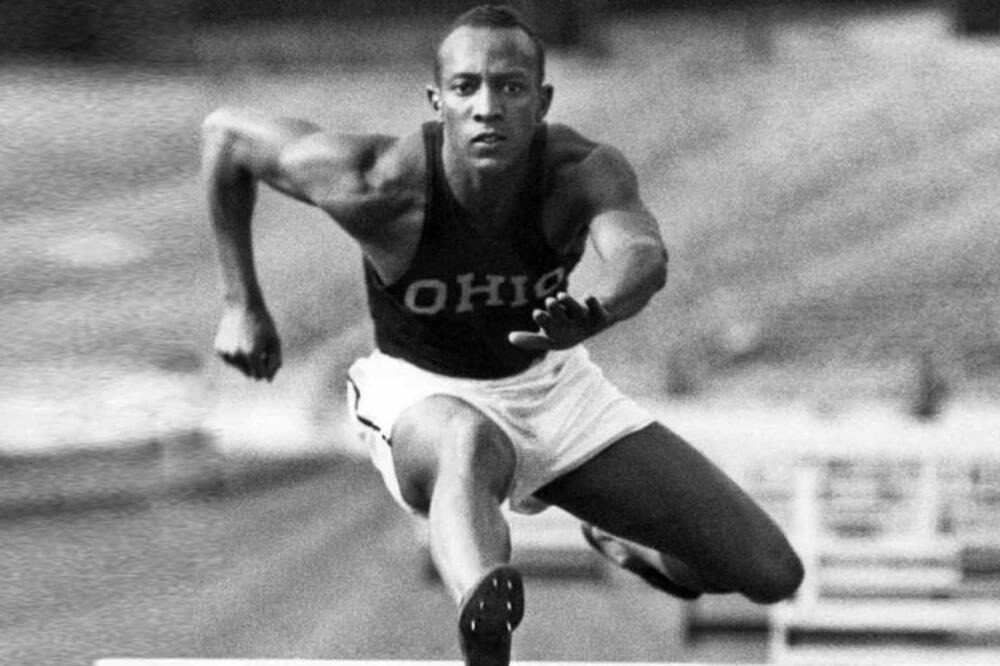
Olympic legends Jesse Owens and Ralph Metcalfe, Negro National League founder Andrew “Rube” Foster, heavyweight boxing champion Joe Louis, and aviation pioneer Bessie Coleman.
Architecture and Enterprise in Bronzeville
Bronzeville was far more than Chicago’s cultural capital. In the first half of the 20th century, it emerged as a thriving commercial district where Black entrepreneurs launched businesses, founded banks, printed newspapers, and built trade networks. They achieved this against tremendous odds, navigating predatory lending, residential segregation, and exclusion from mainstream commercial financing.
Undeterred by systemic obstacles, the community established its own robust financial and commercial backbone.
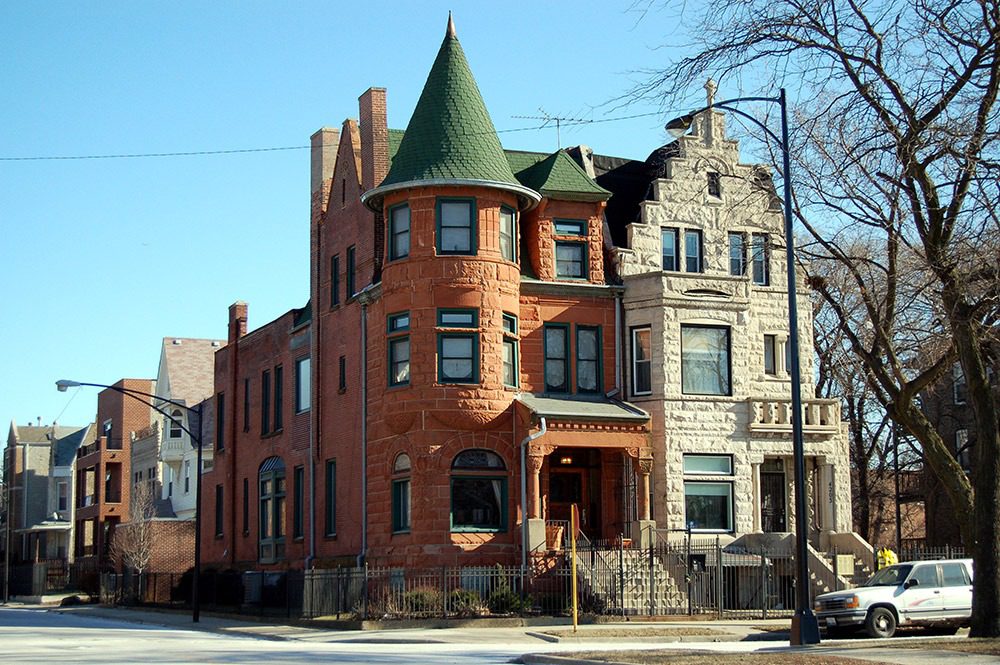
Among the leading figures was banker Jesse Binga, who chartered his own bank and provided crucial financing to Black residents and businesses shut out by mainstream lenders. Another industrial powerhouse was Anthony Overton—founder of the Chicago Bee newspaper and head of a cosmetics and banking empire that significantly advanced the community’s economic independence.
Bronzeville’s entrepreneurial golden age is reflected in landmark buildings that are now recognized as essential components of Chicago’s architectural and historic fabric. Chief among them is the Chicago Bee Building, designed to house Overton’s publishing house and enterprise. The structure stands as a testament to an era when Black-owned publications served not only as news outlets, but as formidable catalysts for civil rights and economic mobilization.
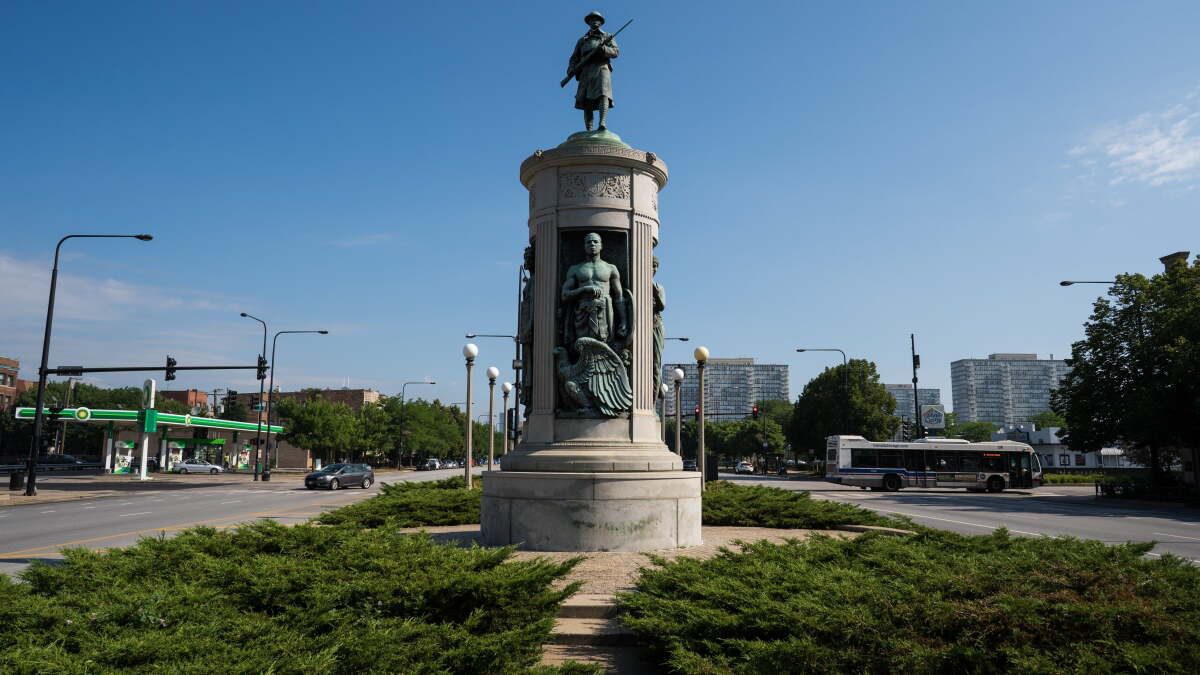
Another iconic landmark is the Victory Monument at 35th Street and King Drive. Erected in the late 1920s, it honors the heroic service of the African American 8th Infantry Regiment of the Illinois National Guard during World War I. The monument remains a powerful symbol of military valor and the enduring contributions of Black soldiers to American history.
The Wabash Avenue YMCA holds a vital place in the neighborhood’s story. Far more than an athletic club, it was an intellectual sanctuary, educational center, and professional development hub for Black Chicagoans during a period when public and private facilities throughout the city remained rigidly segregated.
The commercial vitality of local leaders is equally evident in landmarks like the Supreme Life Building and the Overton Hygienic Building. Anchoring major ventures in insurance, retail, and manufacturing, these sites illustrate how the community established financial self-reliance without depending on outside institutions that consistently denied them support.
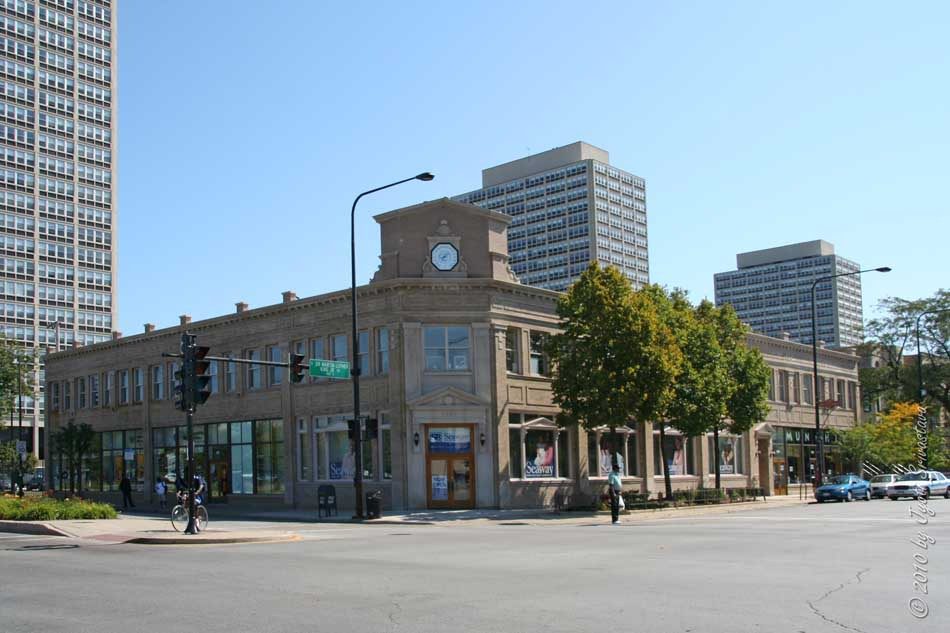
These landmarks matter for reasons far beyond their architectural grace. Each tells the story of pioneers who reinvested their fortunes into their community, generated employment, and built enterprises capable of competing with any institution in the city. A walk along Bronzeville’s historic streets offers more than vintage facades—it reveals tangible evidence of Black economic self-determination.
A National Heritage Area: Modern Revival and Tourism in Bronzeville
Today, Bronzeville’s storied past serves as a springboard for dynamic urban renewal and cultural heritage preservation. The U.S. Congress formally designated the district as the Bronzeville-Black Metropolis National Heritage Area. Managed by a dedicated commission alongside local entrepreneurs and the Bronzeville Community Development Partnership, the heritage zone spans from the South Loop to Woodlawn—running between 18th and 71st Streets, from Lake Michigan to Canal Street.
This initiative emphasizes historic site rehabilitation, educational outreach, environmental enhancement, and cultural tourism access. A primary goal is sharing the neighborhood’s legacy with future generations while fostering sustainable economic development throughout the corridor.
Creativity remains at the core of contemporary Bronzeville. The neighborhood is home to the Bronzeville Art District, a collaborative network of visual arts spaces that host monthly trolley tours. Annual gatherings such as Bronzeville Summer Nights and the 51st Street Jazz Festival continue to draw visitors, celebrating the area’s rich artistic lineage and local culture.

The story of Bronzeville is an enduring chronicle of resilience, creative genius, and community self-determination. In the face of systemic barriers, rigid segregation, and economic headwinds, Chicago’s African American community forged an extraordinary legacy of national consequence. Through ongoing restoration, landmark preservation, and heritage tourism, Bronzeville continues to honor its trailblazing past while laying a firm foundation for future growth and shared pride.