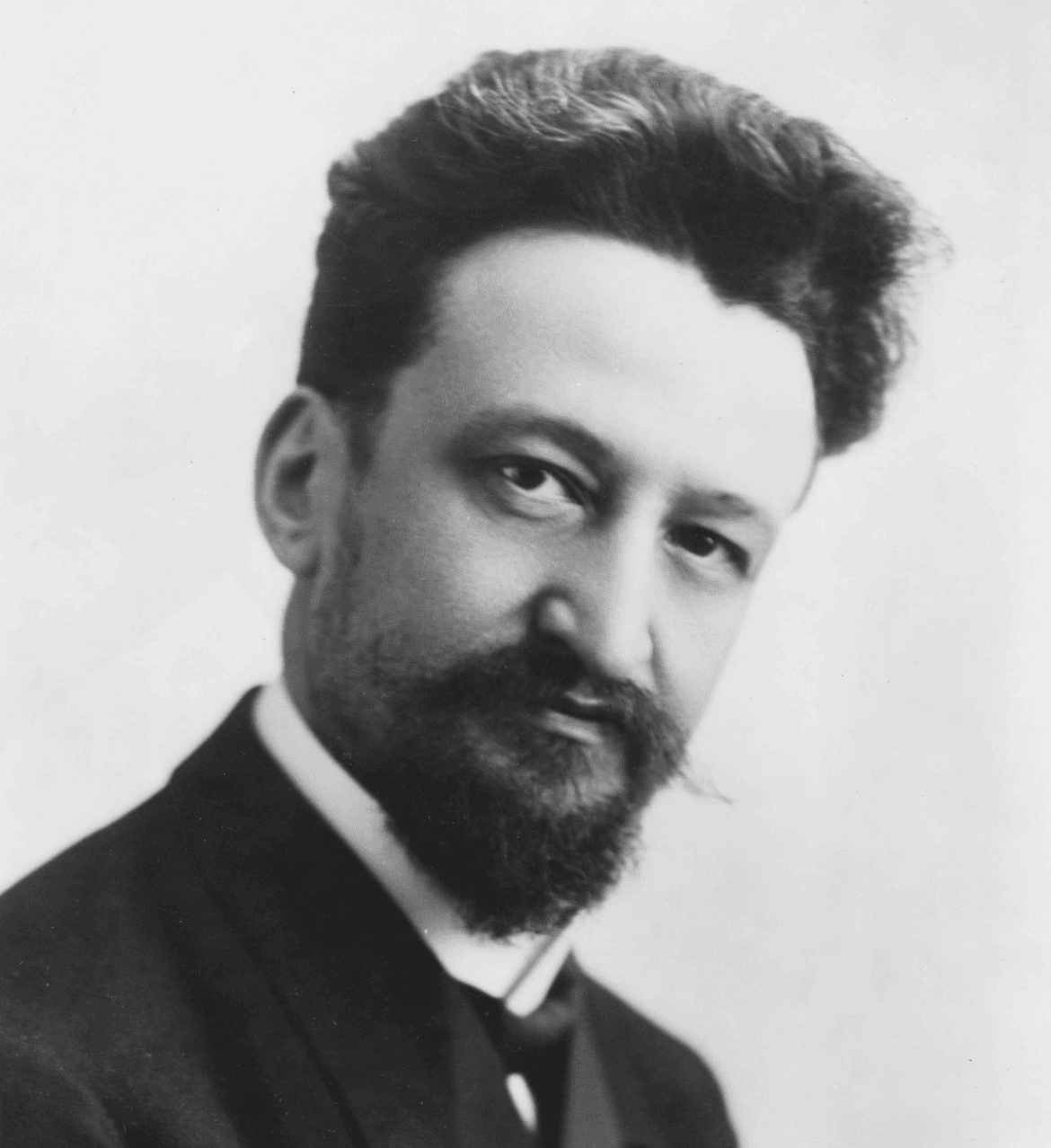

In the 1930s, severe blood loss during surgery was frequently fatal for patients worldwide. Doctors had only a few precious minutes to find a suitable donor, and even the smallest mistake or blood type mismatch could cost a human life.
March 15, 1937, became a monumental date not only in Chicago’s history but also in the evolution of global medicine. Bernard Fantus, a physician at Cook County Hospital, proposed a revolutionary idea for his time: preserving donated blood in specialized refrigerated units. This system guaranteed every medical facility a permanent, untouched reserve. Fantus dubbed this groundbreaking system a “blood bank.” In this article on ichicago, we take a closer look at how his innovation permanently transformed transfusion medicine and healthcare standards worldwide.
Medicine on the Edge: Why Blood Transfusions Were So Risky Before the 1930s
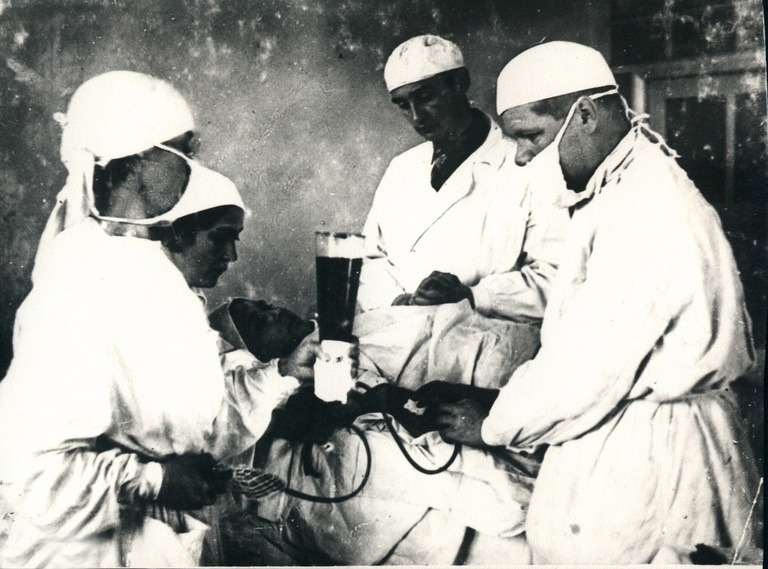
For centuries, scientists struggled to overcome high patient mortality caused by rapid blood clotting and immune incompatibility. The first successful human-to-human blood transfusion was recorded in 1818 by the British physician James Blundell. His patient, a woman suffering from severe postpartum hemorrhage, survived thanks to the procedure.
In 1900, Austrian-American physician Karl Landsteiner discovered the first three blood groups, with a fourth added a year later. Twelve years down the road, researchers introduced the concepts of universal donors and universal recipients.
Despite these breakthroughs, blood transfusions remained extraordinarily hazardous. They could only be performed directly—by surgically linking the blood vessels of the donor and recipient. This delicate procedure required immense surgical precision and took up vital time.
In the 1930s, the Rh factor was still unknown, meaning patients frequently died of hemolytic shock even when their main blood types matched. Additional risks included a lack of sterile disposable equipment, the danger of transmitting infections, and a chronic shortage of blood for critical patients.
As a result, until the first blood bank emerged in the U.S., physicians resorted to transfusions only as a desperate last measure when a patient’s chances of survival were otherwise negligible.
Bernard Fantus: The Innovator from Cook County Hospital
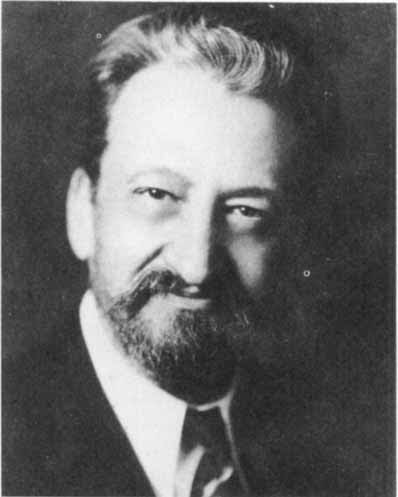
Bernard Fantus was born on September 1, 1874, in Budapest. At the age of 15, he emigrated with his family to the United States. They initially settled in Detroit, Michigan, before eventually relocating to Chicago.
From an early age, Fantus demonstrated a deep fascination with pharmacology and trained as an apprentice under a local pharmacist. He saw his future strictly in the field of medicine.
He went on to earn his M.D. from the College of Physicians and Surgeons of Chicago, after which he pursued advanced medical studies at the Universities of Strasbourg and Berlin.
Upon completing his education, Dr. Fantus joined the staff at Cook County Hospital in Chicago. The facility boasted state-of-the-art laboratory infrastructure, giving Fantus the freedom to experiment and turn his visionary concepts into reality.
Cook County Hospital was one of the largest public medical centers in the United States, treating a constant stream of emergency patients suffering from gunshot wounds, stab injuries, and severe trauma. Given the hospital’s overwhelming workload, the need for preserved, ready-to-use blood was urgent.
Fantus made it a top priority to figure out how to store blood long-term and build a structured, reliable blood donation framework.
Notably, Fantus also dedicated part of his career to “humane pediatrics,” pioneering palatable medications for children. In his landmark publication, Candy Medication, he detailed the benefits of sweet, candy-like medicine formulations, proving that this was the most effective approach for treating young patients.
Formulated with sugar and balsam of Tolu, these remedies were not only pleasant to taste but also inexpensive to produce, making them widely accessible to families of all backgrounds.
Establishing the World’s First Blood Bank

March 15, 1937, drew a clear line between medicine’s past and future. For decades, transfusions had been high-risk gambles that sent staff scrambling for a matching donor while a patient bled out on the operating table.
Dr. Fantus devised a game-changing alternative: collect and rigorously test donor blood ahead of time. This ensured life-saving reserves were ready the exact second an emergency struck.
Setting up a laboratory at the Chicago hospital, Fantus relentlessly experimented with sodium citrate solutions and controlled refrigeration. In 1937, his efforts paid off: he successfully preserved blood and kept it viable for 10 days—an unprecedented record at the time.
Fantus originally intended to call his unit the “Blood Preservation Laboratory.” However, right before presenting his breakthrough to the public, he chose the catchy, intuitive term “blood bank.” Just four years later, San Francisco opened the first community blood donor center, and in 1947, the American Association of Blood Banks was established.
The advent of blood banks revolutionized surgery, opening doors to procedures previously deemed impossible. Interestingly, setting up the first blood bank cost just $1,500, and in its very first year of operation, it served over a thousand patients.
How Chicago’s Blood Transfusion Model Changed Global Medicine
The creation of the blood bank in Chicago sparked a ripple effect across global medicine. Stockpiling plasma and red blood cells allowed surgeons to perform complex procedures with significantly reduced risk of fatal blood loss.
Cook County Hospital implemented a replacement deposit system: whenever a patient received an emergency transfusion from the reserve, their family and friends were asked to donate blood to replenish the supply for future patients. This kept the bank’s “account balance” steady.
Regrettably, even blood donation was not immune to racial discrimination at the time. In the early American blood banks, blood from Black donors was stored separately due to the prevailing, scientifically baseless prejudice that blood could transmit “racial traits.”
These discriminatory practices were finally abandoned during World War II, when the overwhelming influx of wounded casualties demanded vast blood supplies regardless of race.
Combining voluntary donor supply with strict laboratory quality control and organized management made Dr. Fantus’s initiative a historic medical breakthrough.
Bernard Fantus’s Legacy and Modern Transfusion Medicine
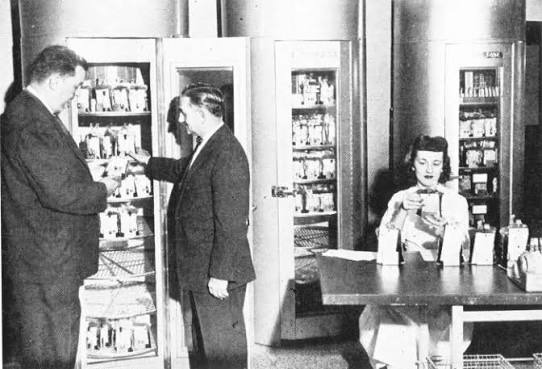
Dr. Bernard Fantus secured an enduring place in medical history as the pioneer behind Chicago’s—and the world’s—first blood bank, coining a term now used globally. His achievement went far beyond a clever concept: he established an integrated system that ensured blood could be safely collected, tested, stored, and deployed whenever needed.
Modern transfusion medicine continues to build directly upon Fantus’s foundation. Today, whole blood is rarely transfused; instead, it is separated into individual components—platelets, red blood cells, and plasma. Modern laboratories use high-precision technology to screen for infections and verify cross-compatibility in seconds.
Perhaps the most vital principle of Fantus’s legacy is the rule that “the blood must wait for the patient, not the patient for the blood.” Thanks to the Chicago doctor’s vision, a high-risk gamble became a routine, life-saving procedure performed around the clock worldwide.