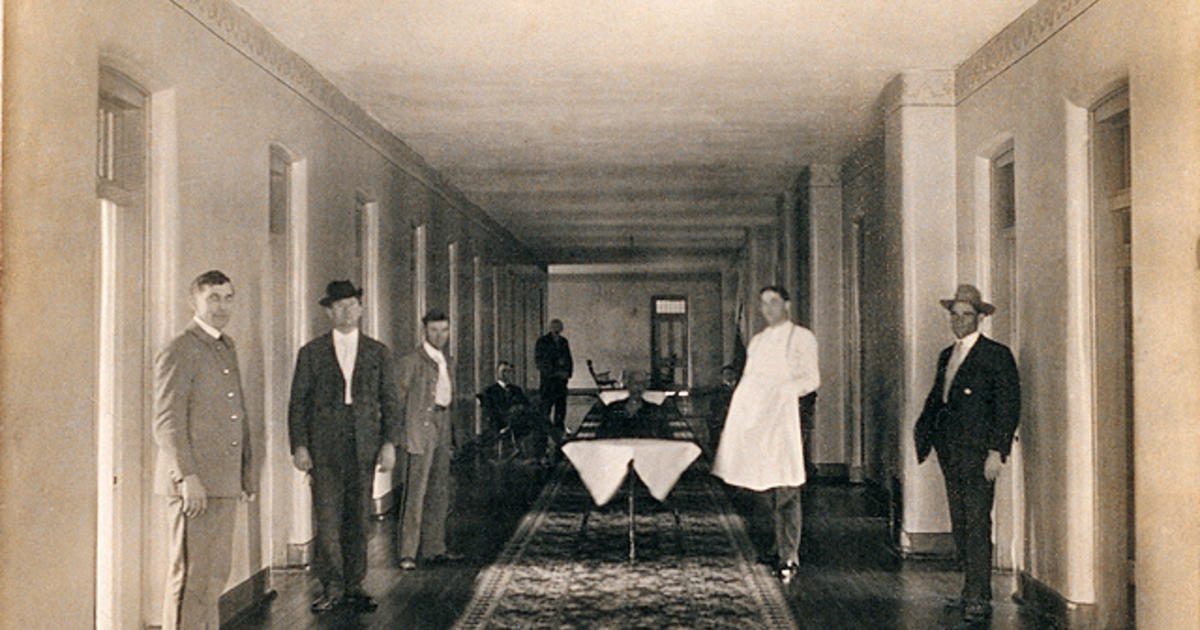

The history of mental hospitals in Chicago dates back to 1847. It was then that a general practitioner, who had received education in Ohio, came to the city and founded the Chicago Retreat for the Insane, writes ichicago.net.
First hospitals
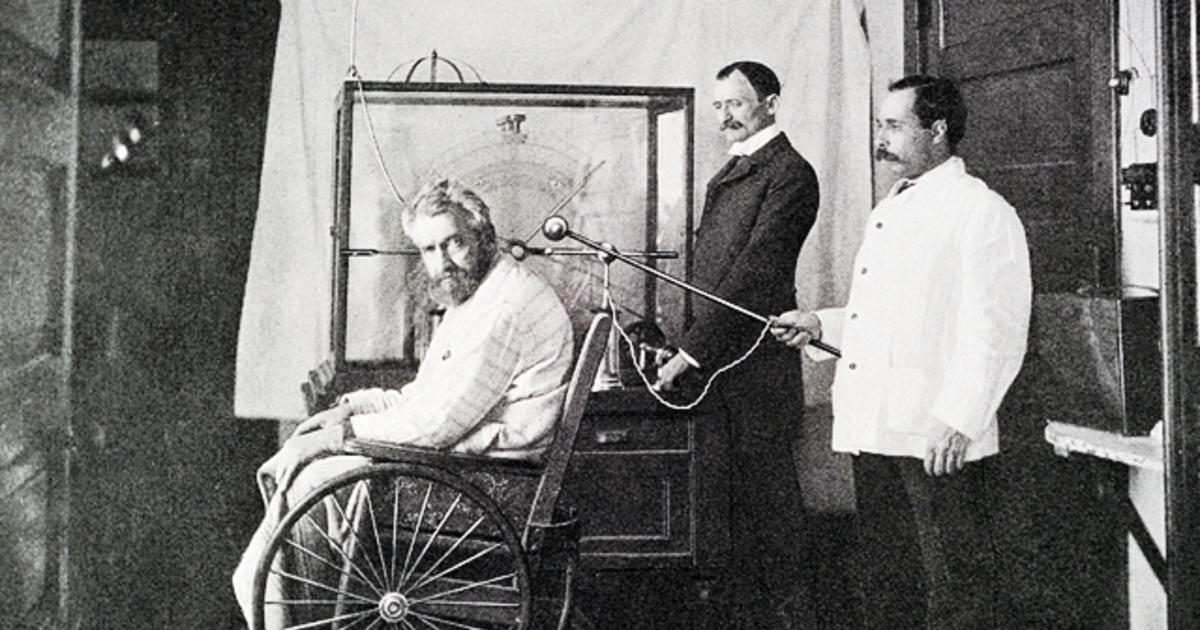
However, this retreat did not exist for long as a patient set it on fire. It was completely destroyed. In 1851, the Illinois State Hospital for the Insane (now known as Jacksonville State Hospital) became the first institution in Illinois funded by the state at that time. Later, Chicago State Hospital, known as Dunning, also began to be funded by the county. It was acquired by the state in 1912.
Psychiatry in educational institutions
In the early 1900s, psychiatry was part of neurology practice, which was introduced into medical school curricula. The Chicago Medical College established a neurology department. In 1891, it was merged with Northwestern University. In 1910, Rush Medical College opened the first department of neurology.
During that period, neurologists followed specialized medical programs focusing primarily on the symptoms of patients’ disorders rather than theoretical research.
The State Psychopathic Institute in Chicago, which appeared as a result of a collaboration between the state and the University of Illinois Medical School, was a coordination center for admitting patients to the state hospital.
The diagnosis and treatment of mentally ill individuals in Chicago were done exclusively in neurological offices.
Development of psychiatry in Chicago
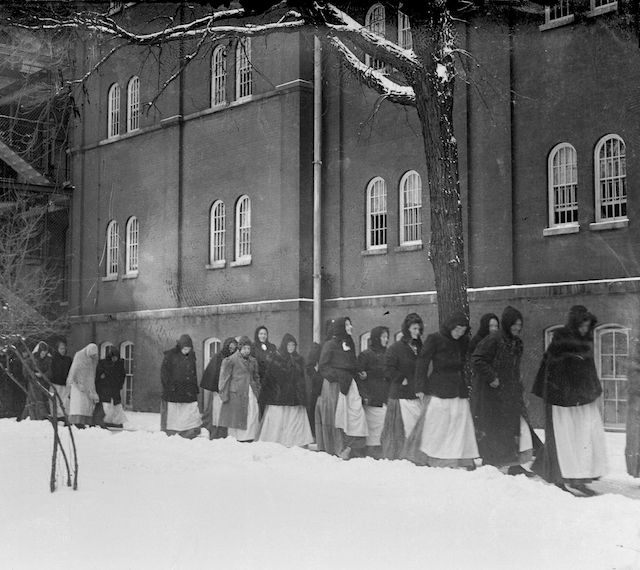
The development of psychiatry, which was then called “mental hygiene,” began in Chicago in 1920. At that time, the attention was focused on the psychological problems of children. As a result, regular offenses were common among teenagers and young people. The court asked for help from psychiatrist William Healy through the Juvenile Court of Cook County. The Institute for Juvenile Research, led by Healy, laid the foundation for a new era in child psychiatry.
In 1930, educational and treatment clinics were opened in medical schools in Chicago. The psychiatric division was part of the medical faculty at the University of Chicago (UChi). At Loyola University, psychiatry and neurology departments were combined. Michael Reese worked with the University of Chicago. He owned a mental hygiene clinic and instructed residents.
Viennese physician Franz Alexander was invited to Chicago as a professor of psychoanalysis. He soon established the Chicago Institute for Psychoanalysis and hired a group of psychiatrists. This institution was unofficially connected with medical schools and Michael Reese’s Psychiatric and Psychosomatic Institute.
In 1942, the Illinois Neuro-Psychiatric Institute was created with input from the Illinois Department of Public Welfare. This educational institution was primarily focused on studying mental and nervous conditions and providing psychiatric instruction for practicing physicians. Thus, various psychiatric programs in medical schools and state hospitals were standardized.
World War II provoked significant changes. Psychiatrists who initially treated emotionally traumatized soldiers later returned to state hospitals, medical schools and private practice.
At the end of the 1940s, psychiatric units began to be created in general hospitals in Chicago. One such unit was opened at St. Luke’s Hospital, which later merged with Rush-Presbyterian-St. Luke’s Hospital. Psychiatric care facilities started opening in other hospitals. Clinics made their programs available to the public.
The city also significantly contributed to the opening of mental health clinics. Local authorities launched several hospital construction projects in several settlements.
By the end of the 20th century, psychiatry in Chicago began to actively develop due to large-scale research projects in the field of treatment.