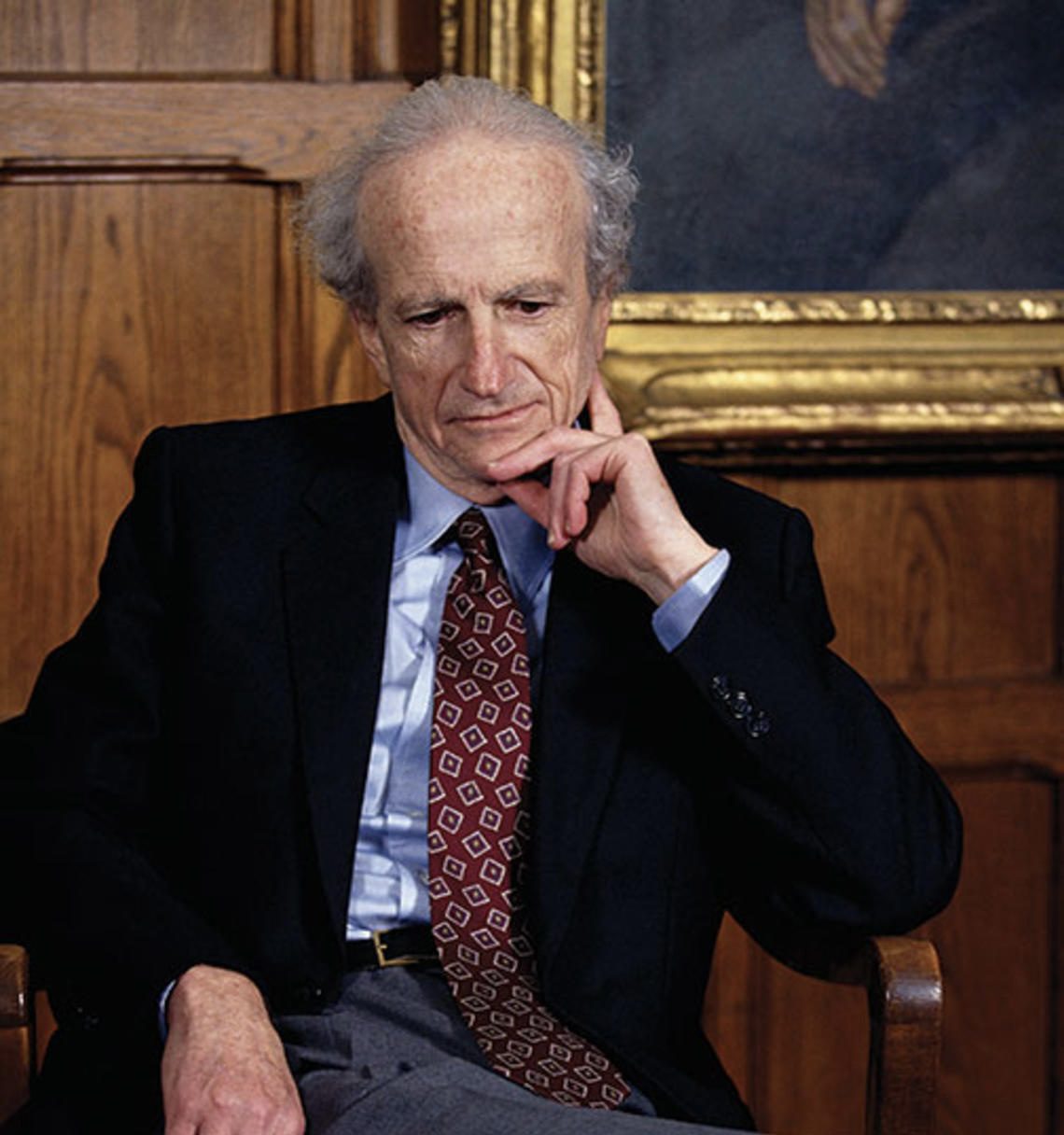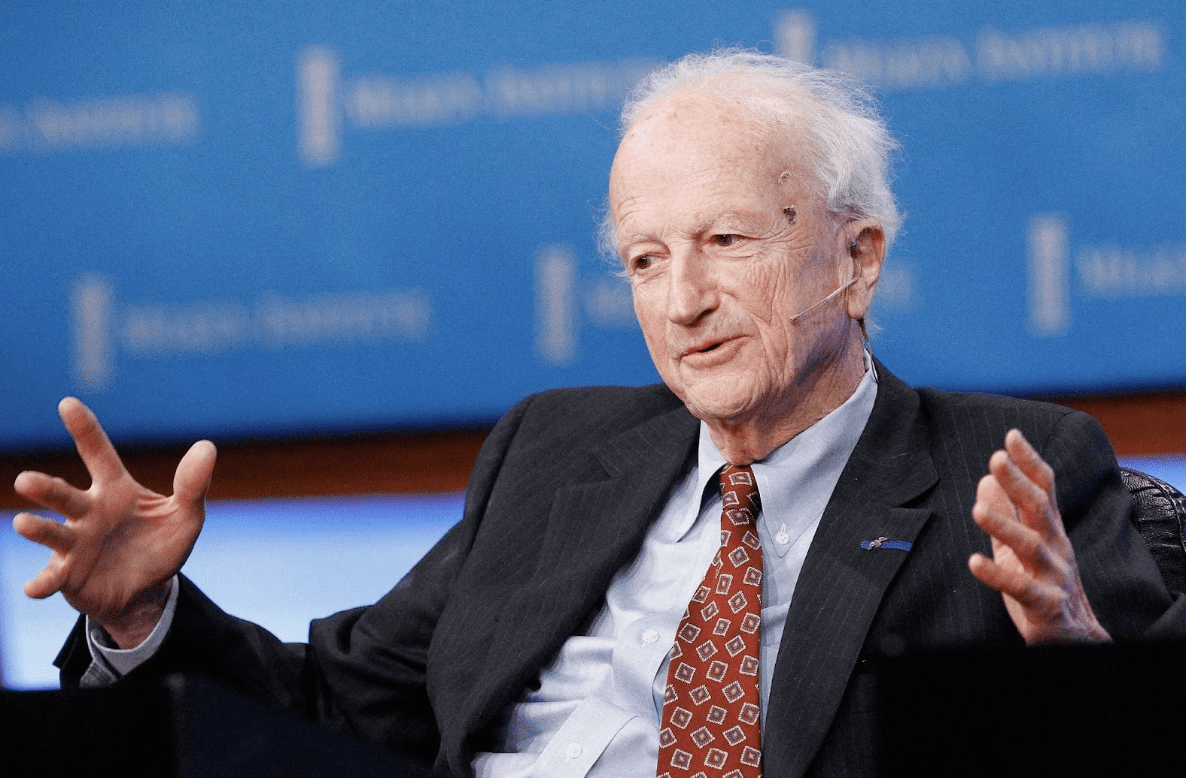

One of the 20th century’s most influential economists, Gary Becker revolutionized our understanding of the scope of economic science. His groundbreaking approach was to apply economic principles to a wide range of social issues that were previously considered outside the realm of economics. In doing so, Becker not only expanded the field’s subject matter but also made significant contributions to our understanding of human behavior and social processes. Read more on ichicago.net.
Biography
Gary Becker was born on December 2, 1930, in Pottsville, Pennsylvania, to a family of Jewish immigrants. From an early age, he displayed remarkable intelligence and curiosity, which fueled his academic success. After graduating from high school, Becker attended Princeton University, where he earned a bachelor’s degree in economics.
However, the true turning point in his academic career came during his time at the University of Chicago—a leading center of economic thought known as the Chicago school. There, he earned his Ph.D. and developed his unique approach, which blended rigorous economic analysis with methods from sociology, psychology, criminology, and other social sciences. This interdisciplinary method became the foundation for his later research, allowing him to examine human behavior through the lens of rational choice and cost-benefit analysis, pushing far beyond the traditional boundaries of economics.
Scientific Achievements
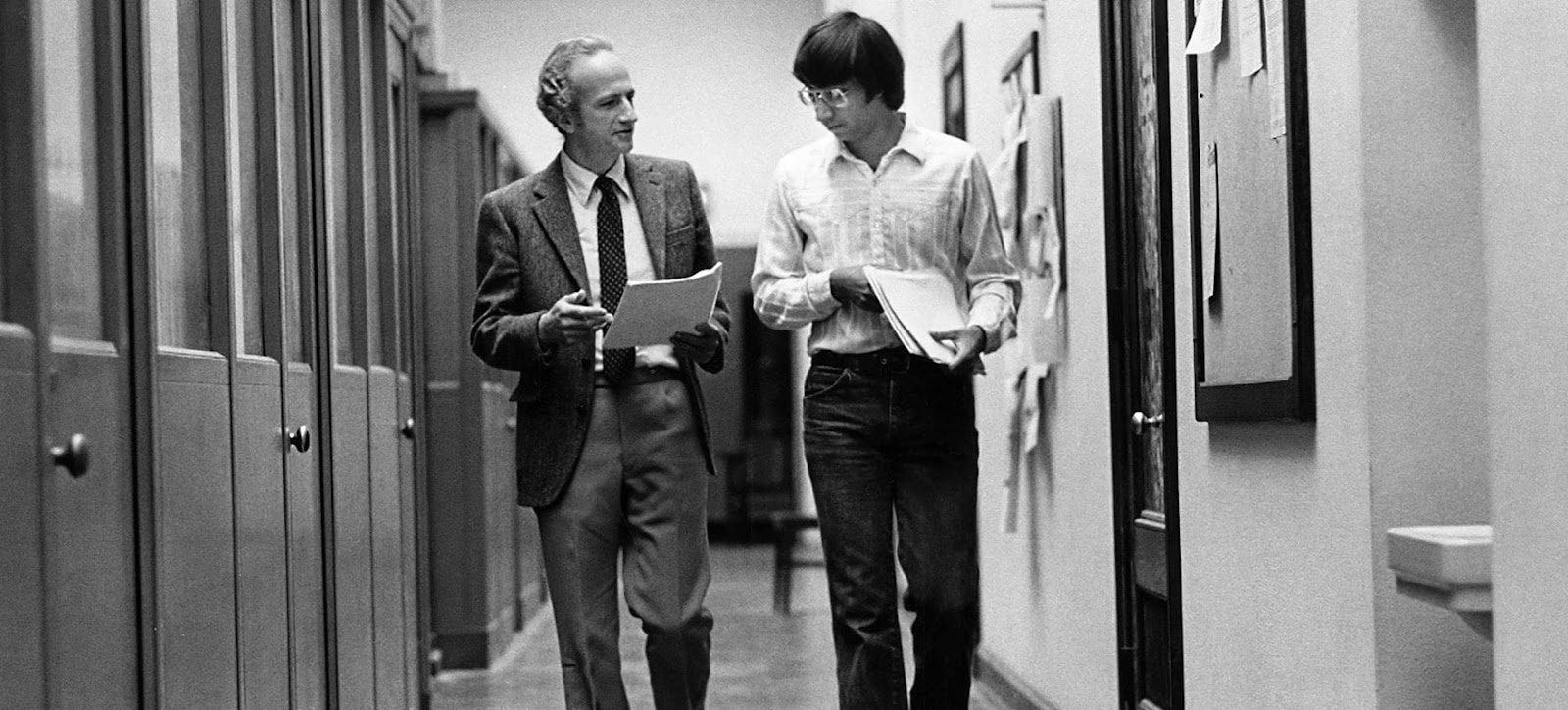
Gary Becker was a pioneer in applying economic analysis to topics previously thought to be the exclusive domain of sociology, psychology, or other humanities. His central idea was that people act rationally, making decisions by weighing costs and benefits, a principle he believed could be applied to nearly every facet of human life.
One of the most significant areas where Becker applied this approach was family relations. He analyzed the economics of marriage, divorce, and fertility, demonstrating how individuals assess personal and material benefits, investments in children, and the use of time and resources. This perspective fundamentally changed the conventional understanding of these family dynamics.
Another of his groundbreaking contributions was the economic interpretation of criminal behavior. Becker viewed crime as a rational choice made by an individual who weighs the potential gains against the risks and costs, such as the likelihood of being caught and punished. This approach transformed views on crime prevention and criminal justice policy.
His research on education as an investment in “human capital” was another major focus. According to Becker, spending time and money on education is a conscious choice to increase future earnings and opportunities, framing education as a key driver of societal progress. Becker also studied discrimination in the labor market, arguing that prejudice has economic roots and consequences. He showed how market forces can either reduce or reinforce discrimination depending on the economic incentives. He also paid close attention to how people allocate their time between work, leisure, and family—a concept that became a central part of his analysis.
Gary Becker detailed these ideas in several foundational works, most notably in his book *The Economic Approach to Human Behavior* (1976). This work became a classic, cementing his status as one of the most influential thinkers in economics and the social sciences. His approach opened new avenues for interdisciplinary research and offered a powerful new way to understand complex social issues through the lens of economic logic.
Among his most famous works is *Human Capital* (1964). In it, Becker provides a deep analysis of education, vocational training, health, and labor mobility as investments that boost a person’s productivity and income. This work laid the foundation for a new field within labor economics. Another influential work was *The Economics of Discrimination*, in which Becker proposed an economic model to analyze racial and gender discrimination in the labor market, showing how prejudice impacts economic decisions. In 1968, he published another pioneering work, *Crime and Punishment: An Economic Approach*, which first treated crime as a rational choice based on a cost-benefit analysis. His book *A Treatise on the Family* applied economic analysis to the family unit, exploring marriage, fertility, divorce, and household responsibilities from the standpoint of economic efficiency and rational choice.
Awards
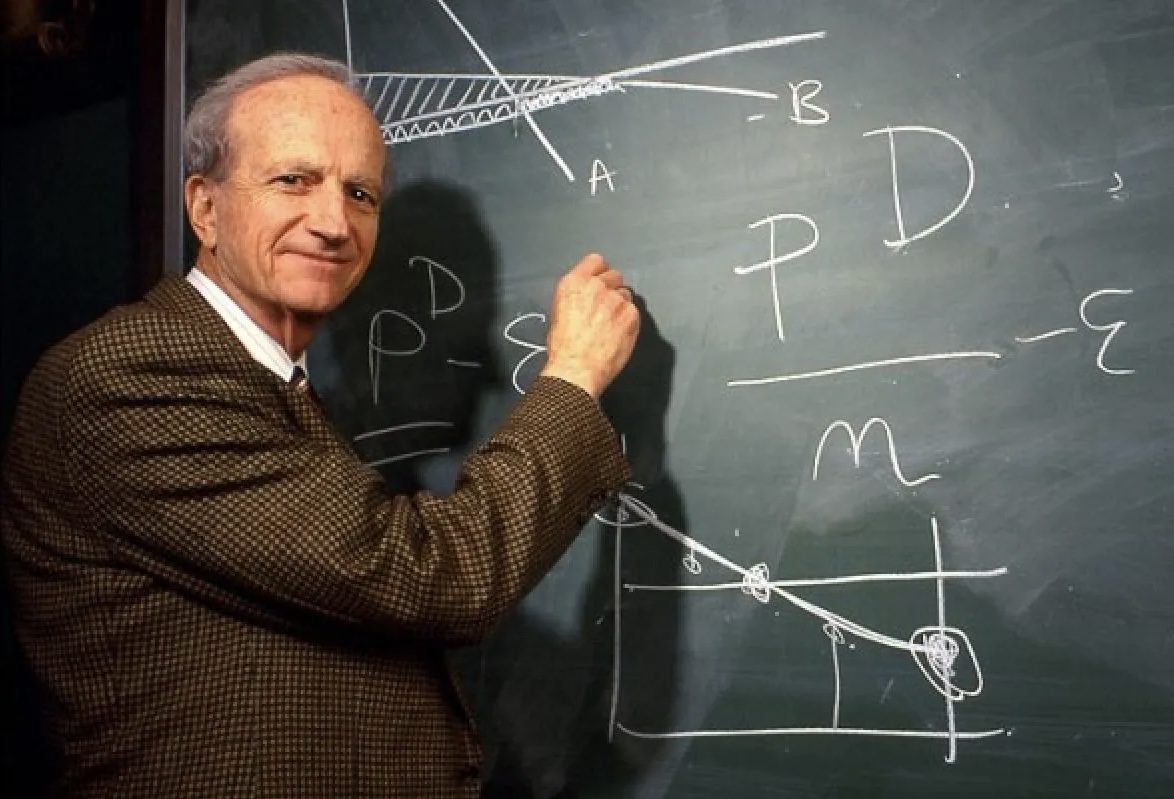
In 1992, Gary Becker was awarded the Nobel Memorial Prize in Economic Sciences “for having extended the domain of microeconomic analysis to a wide range of human behavior and interaction, including nonmarket behavior.” This recognition was the culmination of his long and distinguished academic career, during which he had dramatically expanded the boundaries of economic analysis.
The award from the Royal Swedish Academy of Sciences highlighted not only his contributions to economics but also his influence on other social sciences, such as sociology, criminology, psychology, and demography. Becker’s ideas on rational choice created a foundation for new interdisciplinary fields that are widely used in academia and applied research today.
In addition to the Nobel Prize, Becker received numerous other honors, including memberships in leading scientific societies, honorary doctorates, and invitations to speak at major international economic forums. His writings remain essential reading for economists, sociologists, and political scientists around the world.
Legacy
Gary Becker’s ideas continue to have a profound impact on modern economics and related fields. His approach, rooted in rational choice and the economic analysis of human behavior, has become a cornerstone for new research across the social sciences. Applying his ideas provides a clearer understanding of individual motivations in various areas of life—from personal relationships and family dynamics to labor market behavior and responses to public policy.
In healthcare, Becker’s economic approach is used to analyze patient choices, evaluate the effectiveness of medical programs, and design policies to improve quality of life. In education, his concepts of human capital investment help optimize resource allocation and shape reforms aimed at long-term societal development. In law and criminology, Becker’s legacy is evident in the creation of effective crime prevention strategies based on an analysis of the incentives and risks influencing potential offenders. His framework is also widely used in studies of discrimination, inequality, and social mobility, helping to reveal the underlying economic forces that shape social structures.
Gary Becker is a prime example of how economic science can move beyond traditional models to become a powerful tool for deeply analyzing the many different facets of social life.