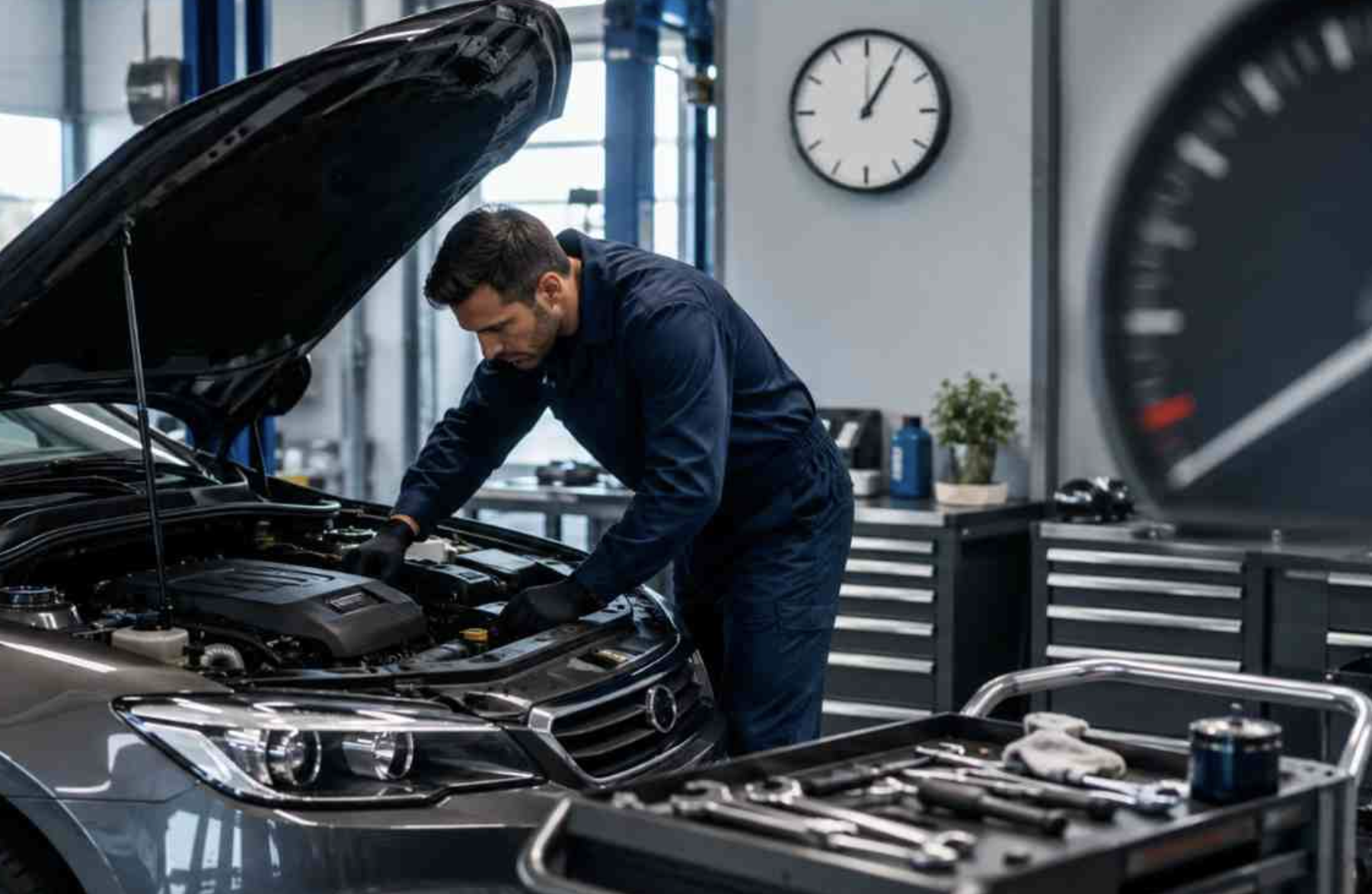

Modern passenger vehicles are engineered to operate within strict mechanical tolerances. From variable valve timing solenoids and high-pressure fuel pumps to adaptive multi-ratio transmissions, every major automotive system relies on pristine lubrication, thermal regulation, and clean filtration. While contemporary vehicle manufacturing has extended overall component lifespans, it has also made engines and drivetrains significantly more sensitive to neglected routine care.
A scheduled maintenance service is not a simple oil swap—it is a systematic engineering reset designed to preserve mechanical efficiency, prevent premature friction wear, and protect complex electromechanical assemblies from compound failure.
Below is an inside look at the technical principles behind scheduled vehicle upkeep and why adhering to precision service intervals is essential for long-term mechanical reliability.
1. Tribology and Fluid Degradation Under Thermal Stress
Engine oil and drivetrain lubricants operate under continuous shear force and intense thermal cycling. Over time, thermal breakdown alters fluid viscosity, while combustion byproducts, moisture, and fine metallic particulates contaminate the fluid supply.
A technical maintenance regimen focuses on critical fluid mechanics:
- Viscosity Retention and Shear Stability: Modern engines utilize low-viscosity synthetic oils (such as 0W-20 or 0W-16) to maximize fuel economy and hydraulic solenoid response times. As additives deplete, fluid viscosity breaks down, reducing protective film thickness across crankshaft bearings and camshaft lobes.
- Filter Micron Rating and Hydrodynamic Flow: Oil and intake filters must maintain high particulate capture efficiency without restricting fluid flow. Clogged air or cabin filters create intake vacuum restrictions and allow abrasive silica dust to enter combustion chambers, accelerating piston ring wear.
- Drivetrain and Differential Fluid Oxidation: Transmission fluids and transfer case lubricants undergo extreme pressure. Periodic fluid exchanges strip out suspended clutch material and metallic shavings before they cause valve-body sticking or gear pitting.
2. Preventive Inspection of Mechanical Wear Components
Routine service intervals provide a critical opportunity to evaluate components that suffer gradual physical degradation long before they trigger dashboard warning lights.
Technicians execute systematic evaluations across key wear zones:
- Ignition and Combustion Health: Spark plugs are inspected for electrode erosion, carbon fouling, and improper gap clearances. Worn spark plugs increase ignition coil resistance, leading to misfires and unburned fuel entering the catalytic converter.
- Serpentine Belt Tension and Pulley Alignment: Accessory drive belts undergo continuous tension. Technicians check for rib cracking, edge fraying, and tensioner bearing play to prevent sudden loss of power steering, alternator charging, or water pump circulation.
- Brake System Hydraulics: Brake pads and rotors are measured with digital calipers to track millimeter-level friction material depletion, while glycol brake fluid is tested for moisture contamination levels.
3. Digital Records and Service Transparency
A major hurdle for vehicle owners managing long-term care is keeping track of historical maintenance data. Missing or incomplete service logs diminish resale value and make it difficult to anticipate upcoming component replacements.
To streamline long-term vehicle tracking, specialized facilities—including the team executing regular car maintenance service in Chicago—integrate digital management systems directly into their maintenance workflow:
- Digital Glovebox Centralization: Service logs, fluid specifications, and multi-point inspection sheets are archived digitally, providing a complete, transparent paper trail.
- Manufacturer Milestone Tracking: Maintenance tasks are scheduled according to exact factory OEM mileage intervals rather than arbitrary shop timelines.
- Photo and Measurement Verification: Digital reports include high-resolution photos and fluid condition samples, allowing owners to verify service necessity with absolute clarity.
Adhering to scheduled mechanical maintenance is the most effective strategy for extending vehicle lifespan and avoiding unexpected breakdown costs. By pairing precise fluid chemistry with comprehensive physical inspections and digital documentation, modern service facilities ensure that every vehicle maintains optimal performance, safety, and long-term resale value.