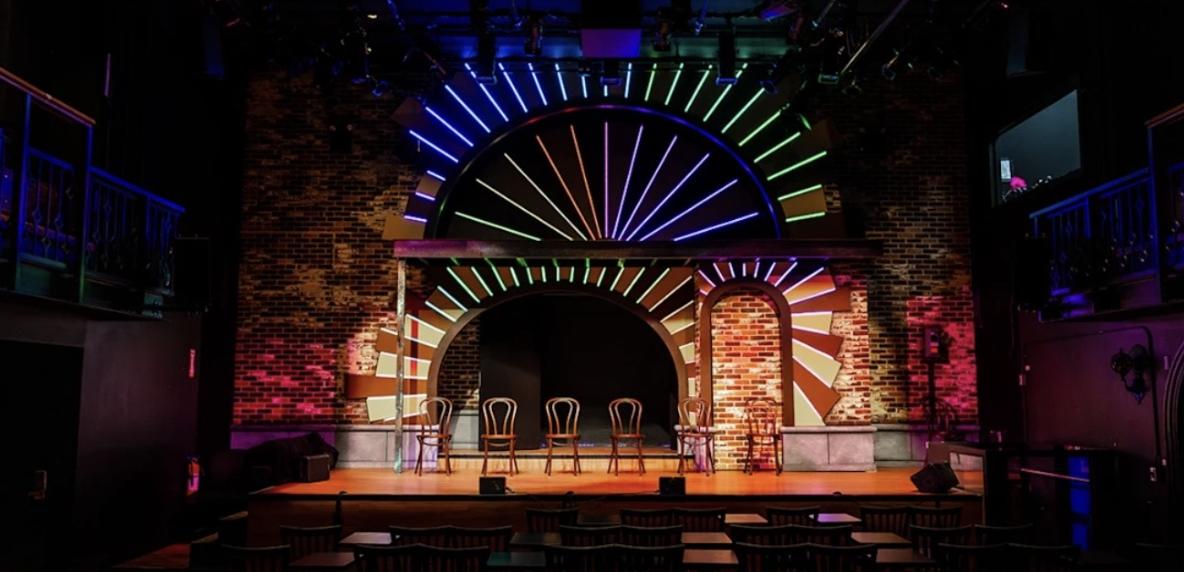

The Second City is Chicago’s legendary improv theater that has shaped American and global comedy since 1959. What began as an intimate cabaret theater evolved into one of the world’s most influential comedy institutions, establishing a groundbreaking school of theatrical improvisation and satire. Its stage and workshops launched the careers of Bill Murray, Tina Fey, Steve Carell, and countless other performers who went on to become stars of Saturday Night Live and Hollywood. In this article on ichicago.net, we explore how The Second City was born, what makes its improv method unique, and how this Chicago theater transformed the comedy landscape forever.
The Origins of The Second City: Viola Spolin’s Method and the Compass Players
The story of The Second City began long before the theater opened its doors—rooted in children’s games. Theater educator Viola Spolin sought innovative ways to unlock the imagination and teach people to genuinely connect without memorized scripts. The theater games she developed grew into a pioneering improvisational method that would redefine American comedy.
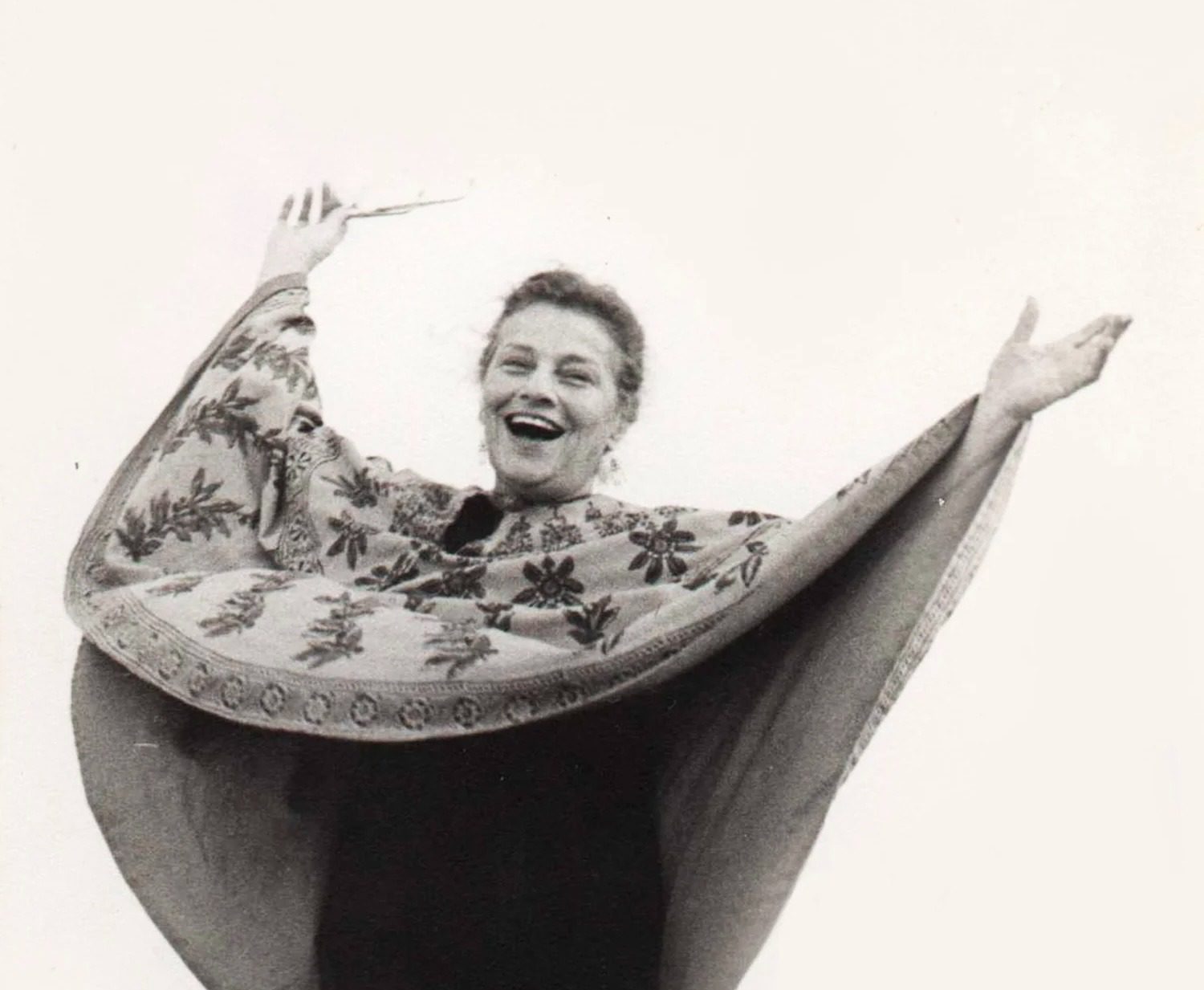
Spolin firmly believed that the fear of making mistakes stifles genuine creativity. Instead, she urged performers to let go of tension, trust their stage partners, and live entirely in the present moment. At the heart of her philosophy were spontaneity, mutual awareness, and tight-knit teamwork. These very principles would come to define the DNA of The Second City.
Her son, Paul Sills, was instrumental in bringing Spolin’s visionary ideas to the professional stage. In the mid-1950s, Sills teamed up with producer David Shepherd to launch an experimental troupe called the Compass Players in Chicago’s Hyde Park neighborhood. It was one of the first contemporary theater companies in the United States to build entire productions around improvisation. Though short-lived, the project served as an incubator for a revolutionary theatrical movement.
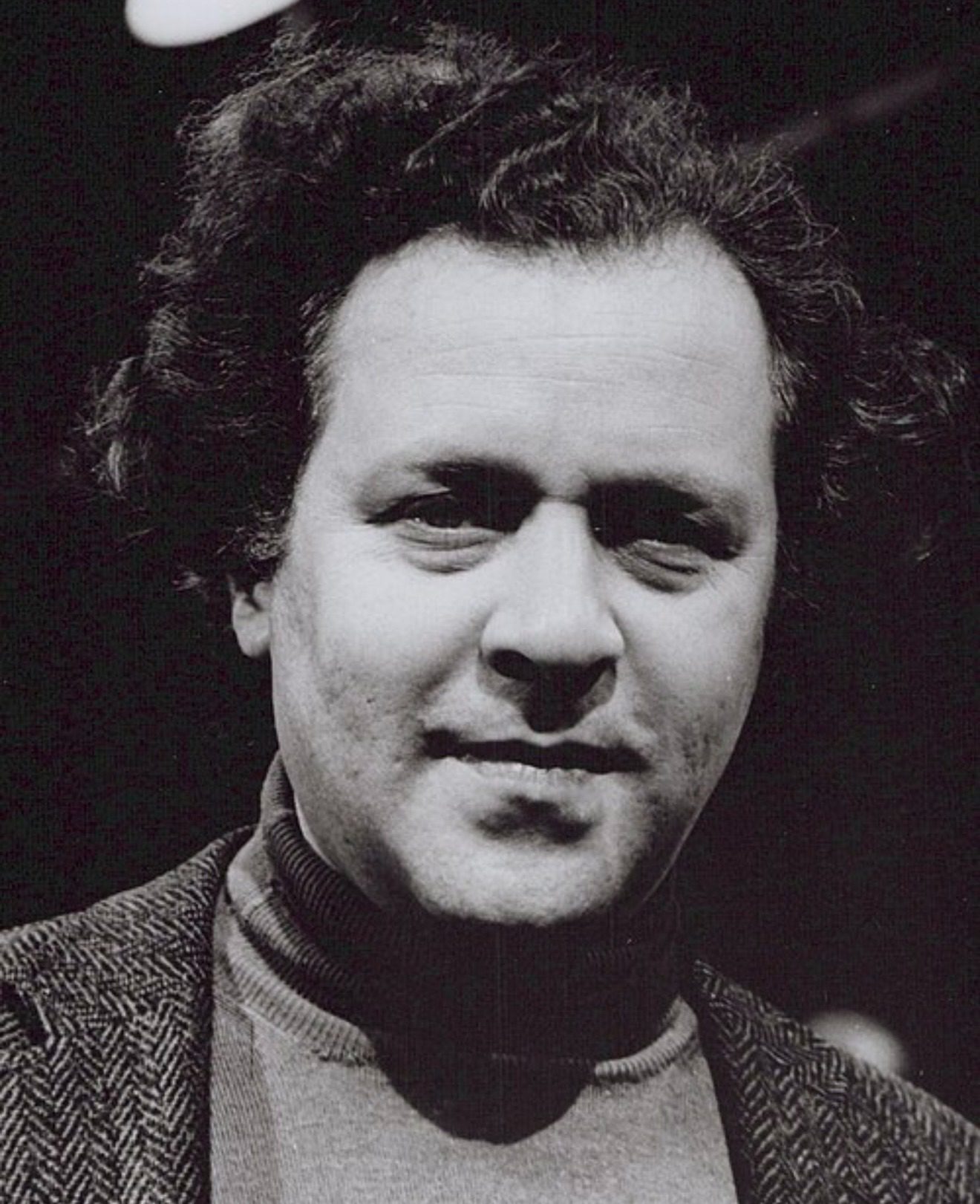
The Compass Players experience convinced Sills that improvisation was far more than an acting exercise—it could carry a full-length theatrical production. In December 1959, he joined forces with Howard Alk and Bernie Sahlins to establish The Second City. The new venue merged Viola Spolin’s foundational work with a drive to create comedy born right in front of the audience, driven by actors’ real-time reactions rather than rigid scripts.
Why The Second City: The Origins of an Ironic Brand
The name The Second City was born out of irony and a cheeky response to outsider snobbery. It was inspired by a 1952 series of articles written by A. J. Liebling for The New Yorker. In the piece, Liebling dismissively branded Chicago as the “second city,” taking aim at its perceived second-rate status compared to New York, the undisputed cultural and financial capital of the nation.
Rather than taking offense, the theater’s founders embraced the jab as their identity. The name The Second City became a clever comeback to skeptics: if Chicago was relegated to second place, then this was the exact place to create something bold enough to captivate audiences far beyond the city limits. What started as an insult quickly transformed into a badge of honor and a legendary cultural brand.
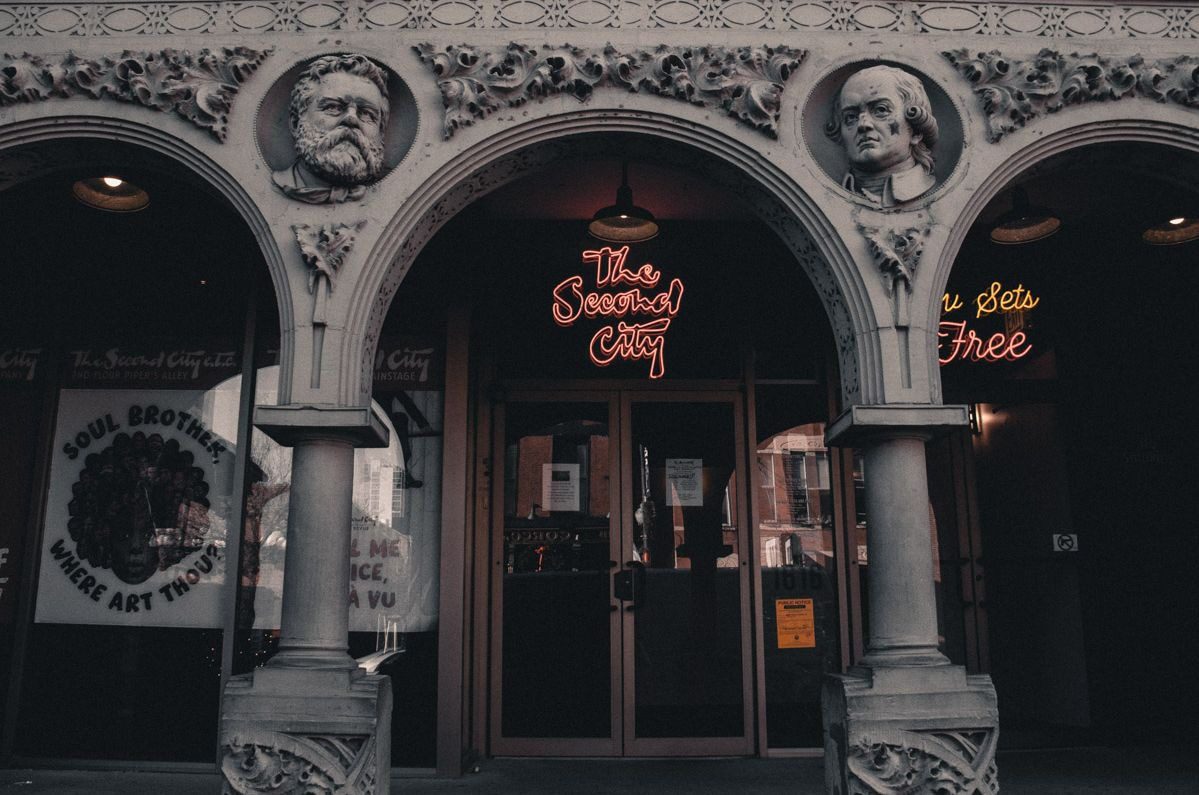
The theater’s address is an equally vital chapter of its story. The Second City made its home in Old Town, a historic Chicago neighborhood renowned for its vibrant arts scene and distinctive architecture. In August 1967, the main stage moved to 1616 North Wells Street. The theater operates there to this day, preserving a living connection to the birthplace of its signature comedic style.
Over the decades, the modest storefront space blossomed into a sprawling theatrical complex. Today, The Second City spans seven stages across Chicago, with productions that have earned more than 40 prestigious Joseph Jefferson Awards (Jeff Awards). What began as a playful jab at a regional stereotype has become a cornerstone of Chicago’s cultural heritage.
The Creative Process: Developing Sketches and Comedy Revues
Every production at The Second City takes shape long before opening night. During rehearsals, ensemble members explore dozens of topical themes, scenarios, and character dynamics through improvised scenes. There is no pressure to immediately produce a polished punchline or a neatly tied narrative. Instead, the cast tests ideas, reacts to each other’s impulses, and discovers what genuinely makes people laugh.
From this controlled creative chaos, the show begins to crystallize. The most promising scenes are selected, honed, and refined—tightening dialogue, sharpening comedic timing, and occasionally weaving separate premises into a cohesive piece. The result is a signature comedy revue: a unified production where every sketch serves a purpose and keeps the performance humming at a brisk pace.
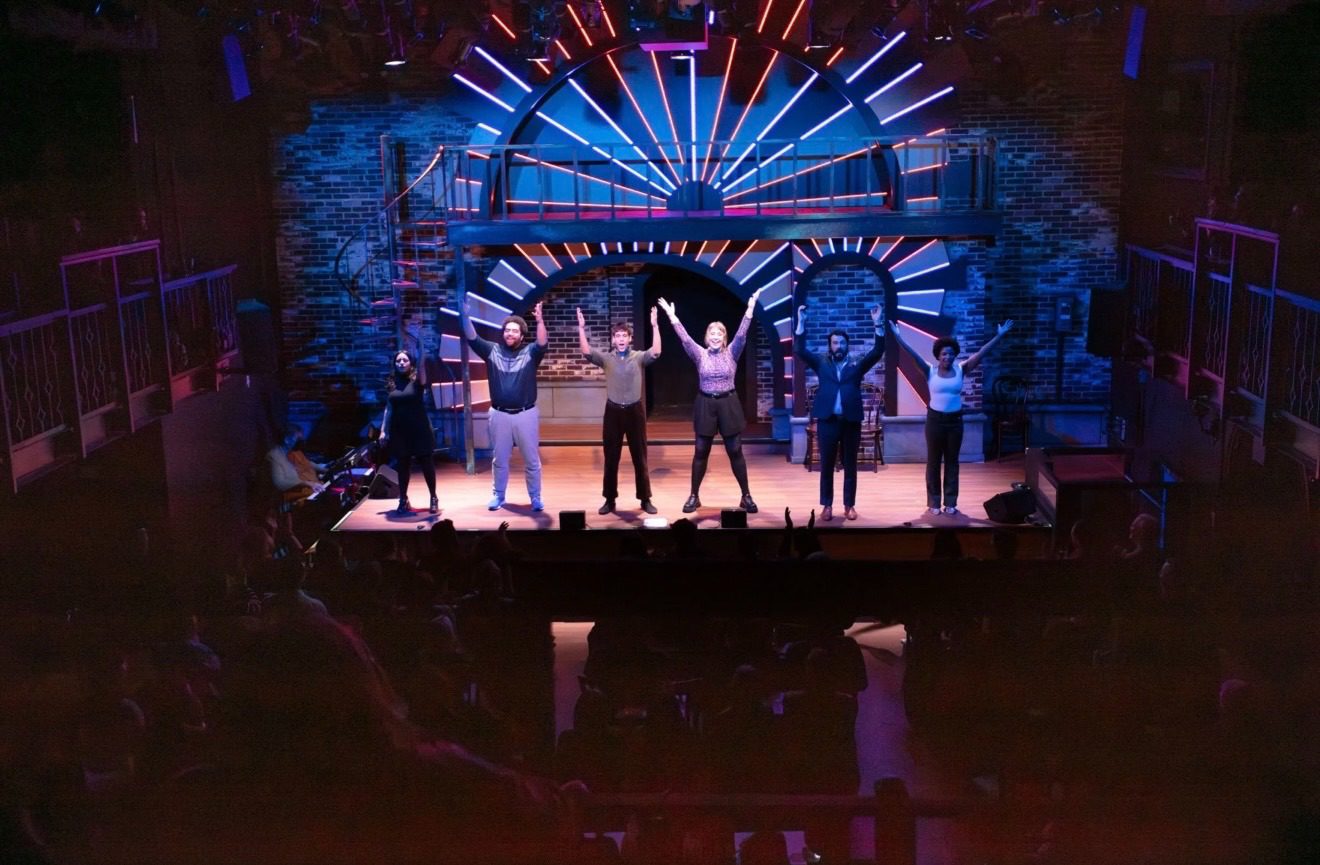
Crucially, improvisation does not end once the show is scripted. Modern The Second City revues seamlessly blend written material, semi-improvised scenarios, and brand-new sketches created on the spot. Audience suggestions frequently spark impromptu scenes, transforming spectators from mere onlookers into active co-creators of the comedy.
Live music is another hallmark of the theater’s identity. Accompanists don’t simply provide background music; they improvise in tandem with the cast, mirroring shifting moods, pacing scenes, and elevating comedic moments. A well-placed musical cue can punctuate a punchline, heighten dramatic irony, or instantly turn a casual dialogue into a standout musical number.
Second City Alumni: Bill Murray, Tina Fey, and Hollywood’s Biggest Stars
The roster of performers who once graced the stages of The Second City reads like an encyclopedia of modern comedy. This is where John Belushi and Bill Murray launched their careers, going on to define an entire era of legendary film comedy.
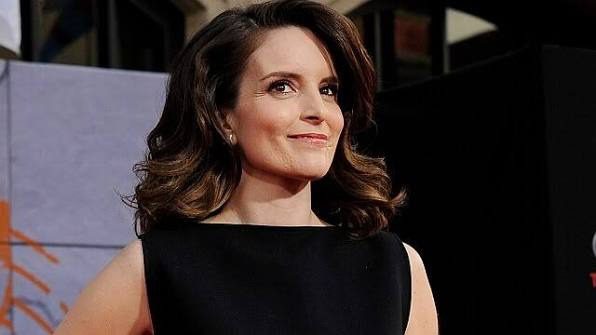
Dan Aykroyd, Gilda Radner, and Joan Rivers also honed their craft on these stages—trailblazers who fundamentally reshaped the standards of television humor and stand-up.
Successive generations brought new waves of talent. Alumni include Mike Myers, beloved for his blockbuster film comedies; Tina Fey, who grew into one of the most influential writers and producers in American television; and Stephen Colbert, whose sharp satirical wit made him a late-night fixture. Steve Carell, Catherine O’Hara, Eugene Levy, Chris Farley, and Amy Poehler all cut their teeth here as well.
The remarkable trajectory of its alumni turned The Second City into the ultimate industry gold standard. For television producers and casting directors, performing on its stage became proof that an actor can write, improvise on a dime, and support an ensemble. The theater’s legacy is far more than the story of a single Chicago stage—it is the lineage of comedic visionaries who shaped American popular culture.
The Second City’s Influence on Saturday Night Live (SNL) and Modern Television
The influence of The Second City extends far beyond the theater district. Nowhere is this more evident than in its deep connection to Saturday Night Live (SNL), NBC’s iconic late-night sketch comedy show. Writers and performers trained in The Second City ensembles of Chicago and Toronto helped sculpt SNL’s defining voice: sharp political satire, pitch-perfect parodies, absurdism, and unforgettable character-driven sketches.
Another landmark chapter in this legacy is SCTV (Second City Television), a groundbreaking comedy series that emerged straight from the theater’s creative ranks. SCTV offered viewers a meta-parody of television broadcasting itself—complete with fictional networks, eccentric station executives, bizarre mock commercials, and beloved comedic characters.
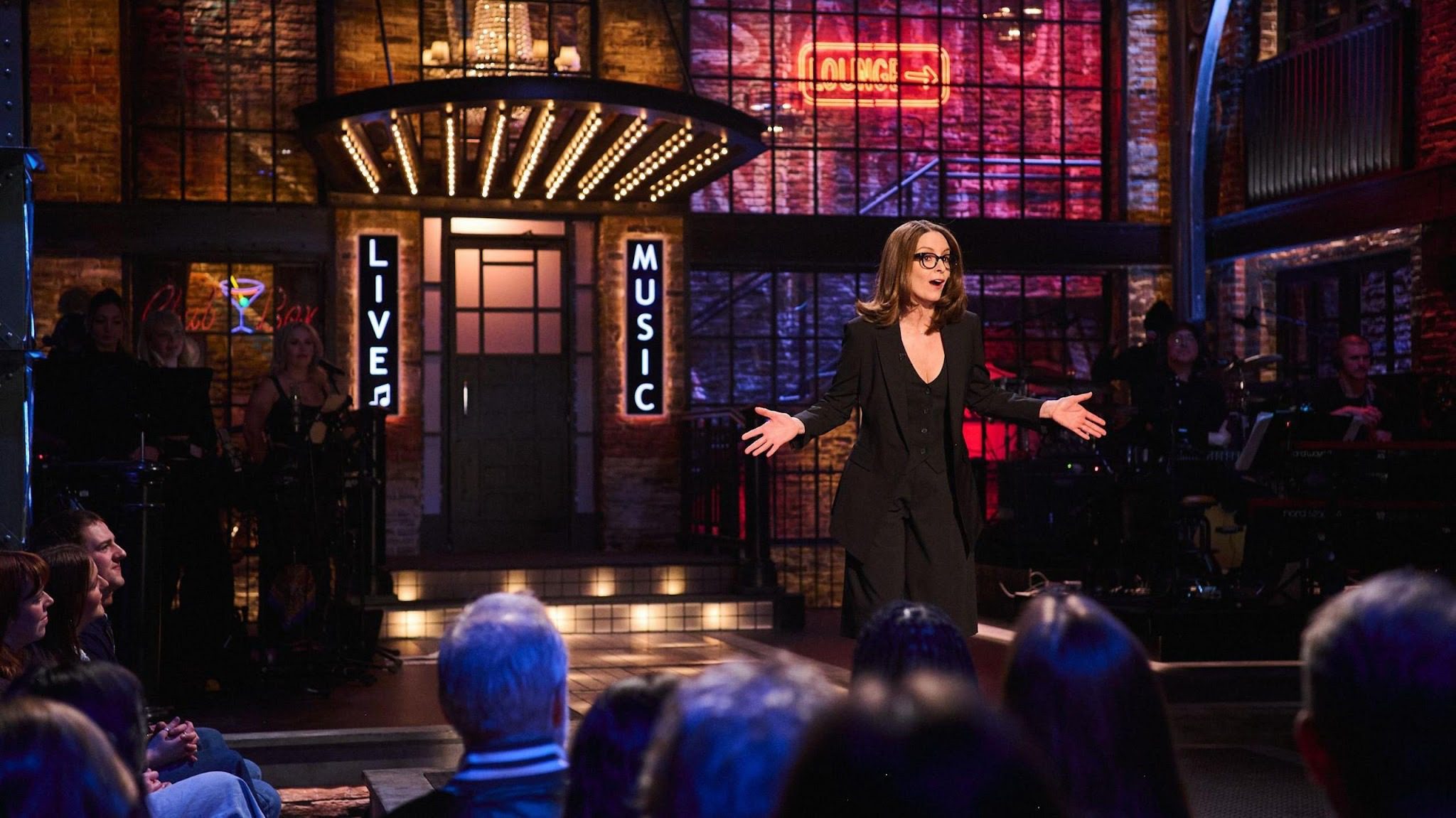
The theater’s television presence didn’t stop there. Other spin-offs and collaborations, including Second City Presents and Next Comedy Legend, continued to champion the company’s core philosophy: finding humor in everyday human behavior, surprising narrative turns, and collaborative storytelling.
At the same time, The Second City brought its principles into the business arena. Through its division Second City Communications, the organization adapted improv techniques for corporate environments across the US and Canada. Major companies turn to these workshops to train employees in effective communication, agile collaboration, public speaking, and innovative problem-solving.
The Second City Training Center: Acting and Improv Classes
The Second City has long grown beyond a traditional performance venue. In the mid-1980s, it launched The Second City Training Center, inviting anyone to study acting, writing, and improvisation, regardless of their prior experience. Today, the training center is a powerhouse educational hub, drawing students with varied artistic, personal, and professional goals.
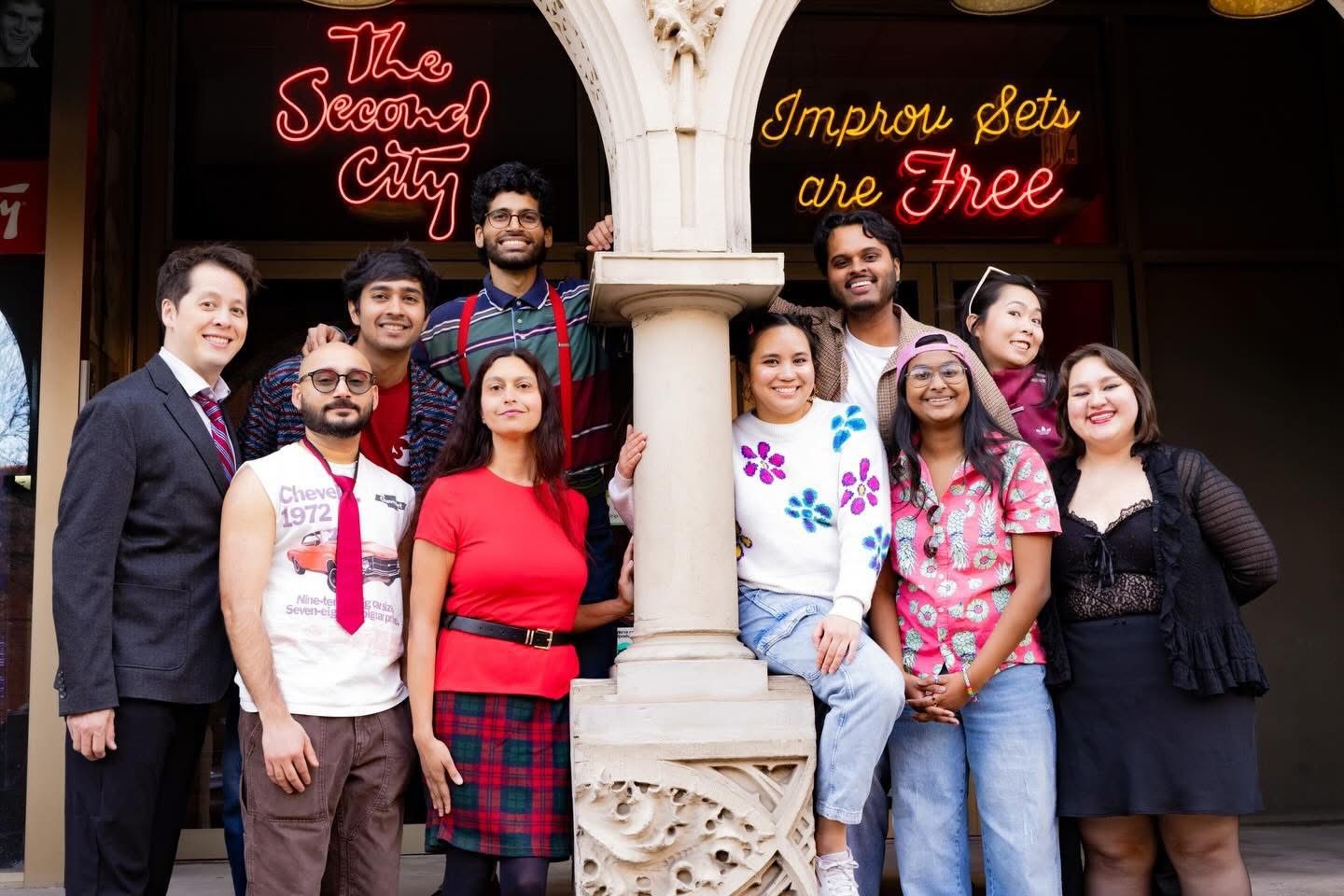
With facilities in Chicago, Toronto, and Los Angeles, The Second City Training Center welcomes not just aspiring actors and comedians, but kids, teens, adults, and working professionals. Students come to build confidence speaking in public, improve workplace collaboration, and break through conversational barriers. Specialized classes also focus on managing social anxiety, honing interpersonal communication, and learning to think quickly under pressure.
Over more than six decades, The Second City has evolved from an experimental Chicago cabaret into an internationally recognized theatrical and educational powerhouse. Its history proves that great comedy isn’t just about innate talent or quick quips. Behind every standout performance lie keen observation, rigorous discipline, complete trust in one’s ensemble, and the poise to adapt when nothing goes according to plan. As generations, formats, and stages change, the theater remains anchored in the foundational tenets of its creators: spontaneity, ensemble play, and sharp curiosity about the world around us. And who knows—perhaps the newcomer taking their very first step onto The Second City stage tonight will become the mind behind the next iconic comedy series or Hollywood’s next superstar.