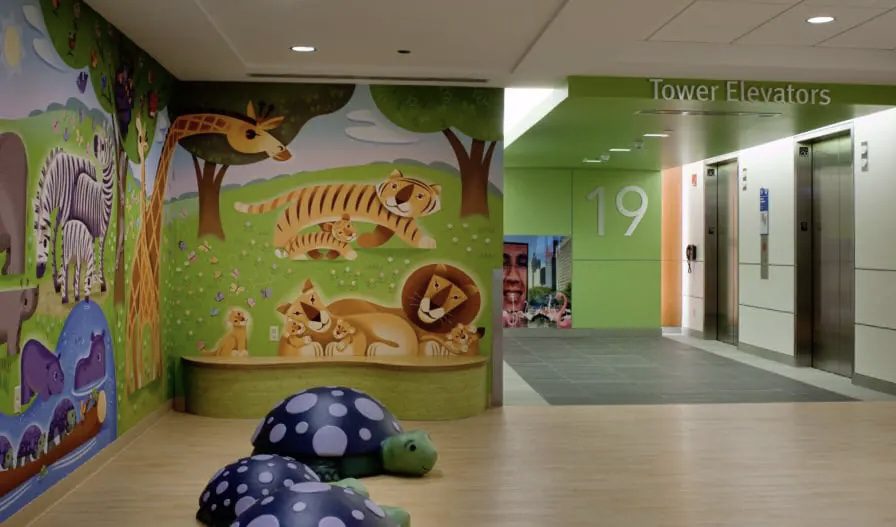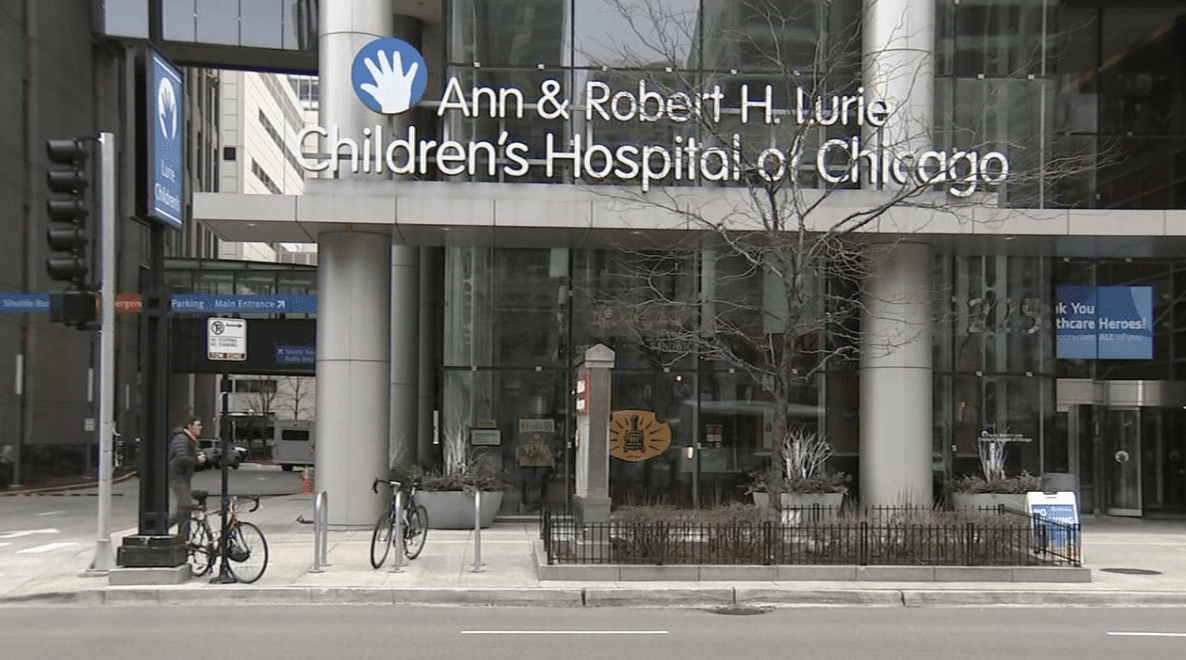

This is one of the most prestigious children’s hospitals in the United States, a place that doesn’t just treat illnesses but changes lives. Located in the heart of Chicago, this multidisciplinary medical institution combines cutting-edge science, deep empathy, and an innovative approach to children’s health. Also, learn about the polio epidemic in Chicago. More at ichicago.net.
History of the Hospital
The history of Ann & Robert H. Lurie Children’s Hospital of Chicago spans over 140 years of care, growth, and innovation in pediatric medicine. It all began in 1882, when a small group of female philanthropists founded the Children’s Memorial Hospital as a place for critically ill children, most of whom needed urgent care in Chicago’s impoverished neighborhoods. In those years, access to medical care for children was limited, and infant mortality was high.
Throughout the 20th century, the hospital grew rapidly, establishing specialized departments, laboratories, and training programs for pediatricians. By the 1960s, the hospital was a leader in pediatric research, and in the 1990s, it was one of the first to implement genetic diagnostics.
In 2012, a historic move took place to a new 23-story building in the Streeterville neighborhood, directly adjacent to Northwestern University and other leading medical institutions. This step marked a new era for the hospital. It was then renamed the Ann & Robert H. Lurie Children’s Hospital of Chicago in honor of a generous donation from the Ann and Robert H. Lurie Foundation, which made a key contribution to the construction of the new campus.
The primary goal of Lurie Children’s Hospital is to provide every child, regardless of their background, with access to the best medical care in a compassionate and inclusive environment. It’s not just a clinic; it’s a place where the focus is shifted from the disease to the child—their needs, comfort, and emotional well-being. Each year, the hospital treats over 220,000 young patients, many of whom have chronic, complex, or rare diseases. For them, this place becomes a second home.

Clinical Specialties
Ann & Robert H. Lurie Children’s Hospital is a recognized center for advanced pediatric medicine, providing highly specialized care to children of all ages, from newborns to adolescents. It is more than just a multidisciplinary hospital; it is an environment where complex cases are not the exception but part of daily practice. The hospital employs over 1,600 specialists, most of whom are leading experts in their fields, hold advanced academic degrees, and regularly publish research in prestigious international journals.
Key clinical areas include:
- Oncology and Hematology: The hospital uses modern chemotherapy and immunotherapy regimens, CAR-T therapy, and bone marrow transplantation. Family support programs and psychosocial care are an integral part of treatment.
- Cardiology and Cardiac Surgery: The hospital has one of the largest pediatric heart centers in the Midwest. It performs heart surgeries on newborns, treats complex congenital defects, and conducts catheterizations and hybrid procedures. The center works in close partnership with the Chicago Adult Congenital Heart Disease Alliance.
- Neurosurgery and Neurology: Specialists treat epilepsy, brain tumors, hydrocephalus, cerebral palsy (CP), and congenital and traumatic nervous system injuries. The hospital features an advanced center for neuroimaging, neurophysiology, and a deep brain stimulation program.
- Transplant Center: The hospital team performs liver, kidney, lung, and bone marrow transplants. Lurie Children’s is part of national organ donation programs and has high survival rates among pediatric recipients.
- Neonatology and Neonatal Intensive Care Unit (NICU): The level of care for newborns meets the highest national standards. The NICU is equipped with modern equipment for monitoring vital signs, mechanical ventilation, and performing procedures painlessly and minimally invasively.
- Child and Adolescent Psychiatry: The hospital has a specialized unit for working with mood disorders, autism, anxiety, eating disorders, and the effects of psychological trauma. Programs combine psychotherapy, medication management, and family counseling.
- Genetics and Rare Diseases: Lurie Children’s is a national leader in the diagnosis and treatment of rare hereditary syndromes, metabolic disorders, and primary immunodeficiencies. Through collaboration with Northwestern University, it actively uses next-generation sequencing (NGS) and personalized approaches to therapy.
Innovations at the Hospital
A distinctive feature of the hospital is its close integration of clinical practice and academic science. All physicians are faculty or researchers at the Northwestern University Feinberg School of Medicine. This means that every patient has access to the latest medical knowledge, and many participate in clinical trials, opening the door to cutting-edge treatments not yet available in standard hospitals.
Unique initiatives include:
- Gene Therapy: Lurie Children’s became one of the first hospitals in the region to use gene therapy for treating severe hereditary diseases such as spinal muscular atrophy (SMA), cystic fibrosis, and some forms of primary immunodeficiencies.
- Non-invasive Newborn Screening: The Center for Perinatal Medicine has implemented modern diagnostic methods that do not require blood draws, allowing for the safe and accurate detection of over 50 genetic disorders before the first symptoms appear.
- Robotic Surgery.
- Telemedicine: The telemedicine program allows for consultations with patients in rural and remote areas, providing access to expert care without the need for long-distance travel. This is particularly important for chronically ill children who require regular monitoring.
There are also initiatives for children with special needs:
- Annual summer camps for children with chronic or rare diseases like diabetes, cystic fibrosis, or heart defects. These events allow children to feel “normal,” build social connections, and strengthen emotional resilience.
- Support programs for adolescents with mental health disorders, including depression, anxiety, and eating disorders.
- Inclusive recreational initiatives that bring together children with disabilities and their peers in creative, sports, or educational projects.
Accolades and Recognition
Key distinctions include:
- Ranked among the top 10 children’s hospitals in the U.S. by U.S. News & World Report, with top results in specialties like Cardiology & Heart Surgery, Cancer, Neonatology, Gastroenterology & GI Surgery, and Pulmonology.
- Recognized for a high level of patient safety, low rates of post-operative complications, and healthcare-associated infections.
- Acknowledged as one of the best employers in healthcare, with a special focus on equity, inclusion, and professional development for staff.
- Its clinical research program is one of the most well-funded among children’s hospitals in the country, according to the National Institutes of Health (NIH).
Through a combination of clinical excellence, innovation, ethical leadership, and social responsibility, Lurie Children’s Hospital serves as a benchmark for modern pediatrics, changing not only the destinies of individual children but the entire healthcare system.